
Davis · 0.6 g
Davis Baking Soda
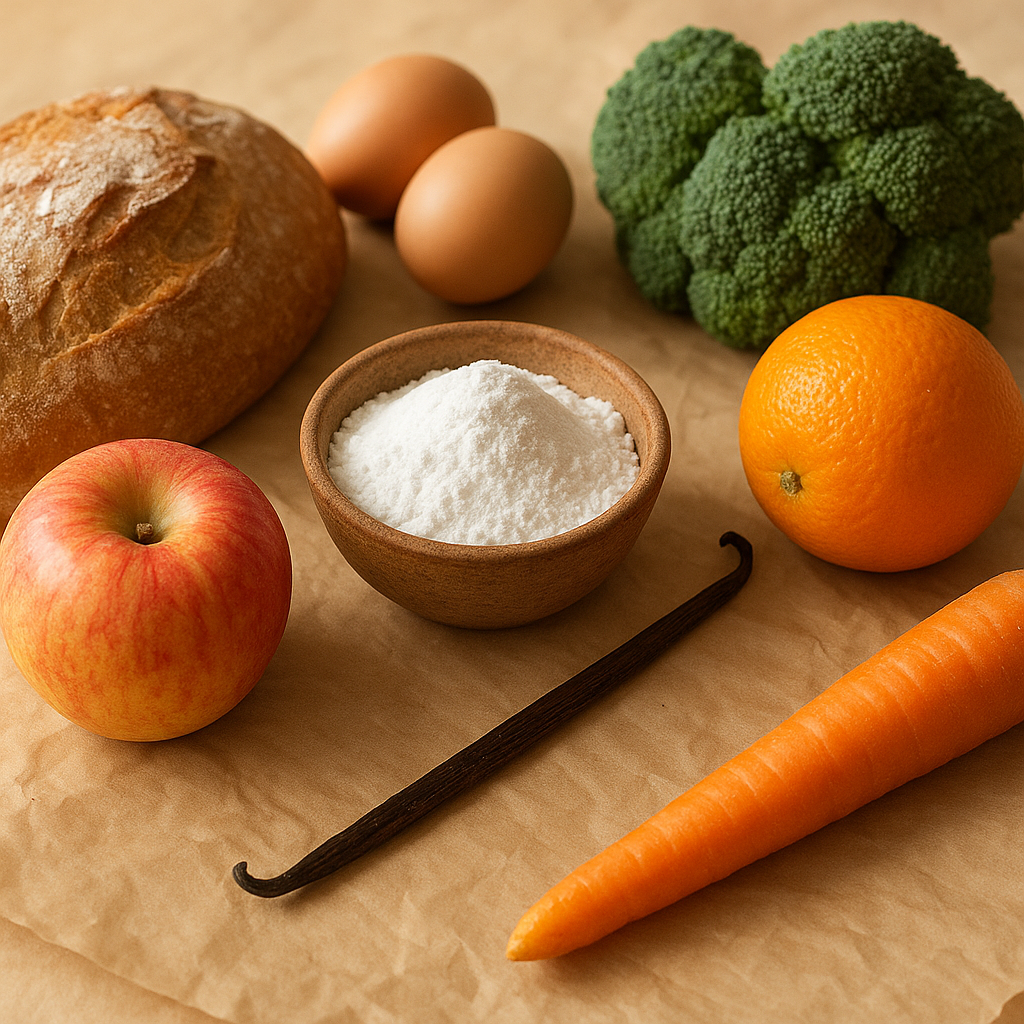
What it is
This is a common leavening agent used in baking. It is a white, crystalline powder that is alkaline in nature. When combined with an acid and moisture, it produces carbon dioxide gas. This gas causes doughs and batters to rise, creating a lighter and airier texture in baked goods. It is a staple in most kitchens for its reliable performance in various recipes.
How people cook with it
Baking soda is a versatile ingredient that plays a key role in many cooking and baking applications. It is also useful for cleaning and deodorizing.
- Leavening baked goods
- Neutralizing acidic flavors
- Cleaning surfaces
- Deodorizing refrigerators
In baking, baking soda is typically mixed with dry ingredients and then combined with wet ingredients that contain an acidic component, such as buttermilk, yogurt, or lemon juice. The reaction begins immediately upon mixing, so it is often best to bake the batter or dough soon after preparation. The amount used is crucial; too much can result in a soapy or metallic taste, while too little will not provide adequate lift. It can also be used in non-baking applications for its cleaning and odor-absorbing properties.
How it differs from similar foods
Baking soda is a stronger leavening agent than baking powder. Baking powder contains both an acid and a base, so it only needs moisture to activate. Baking soda requires an additional acidic ingredient to produce its leavening effect. This difference in activation is important for recipe formulation.
Who it is for
Home bakers and cooks who enjoy making cakes, cookies, and other leavened treats will find this product essential.
How to keep the rest
Keep the container tightly closed in a cool, dry place to prevent it from absorbing moisture or odors from the air. Ensure the lid is properly sealed after each use to maintain its effectiveness as a leavening agent and for other household uses.