
Food Club · 0.6 g
Food Club Baking Powder
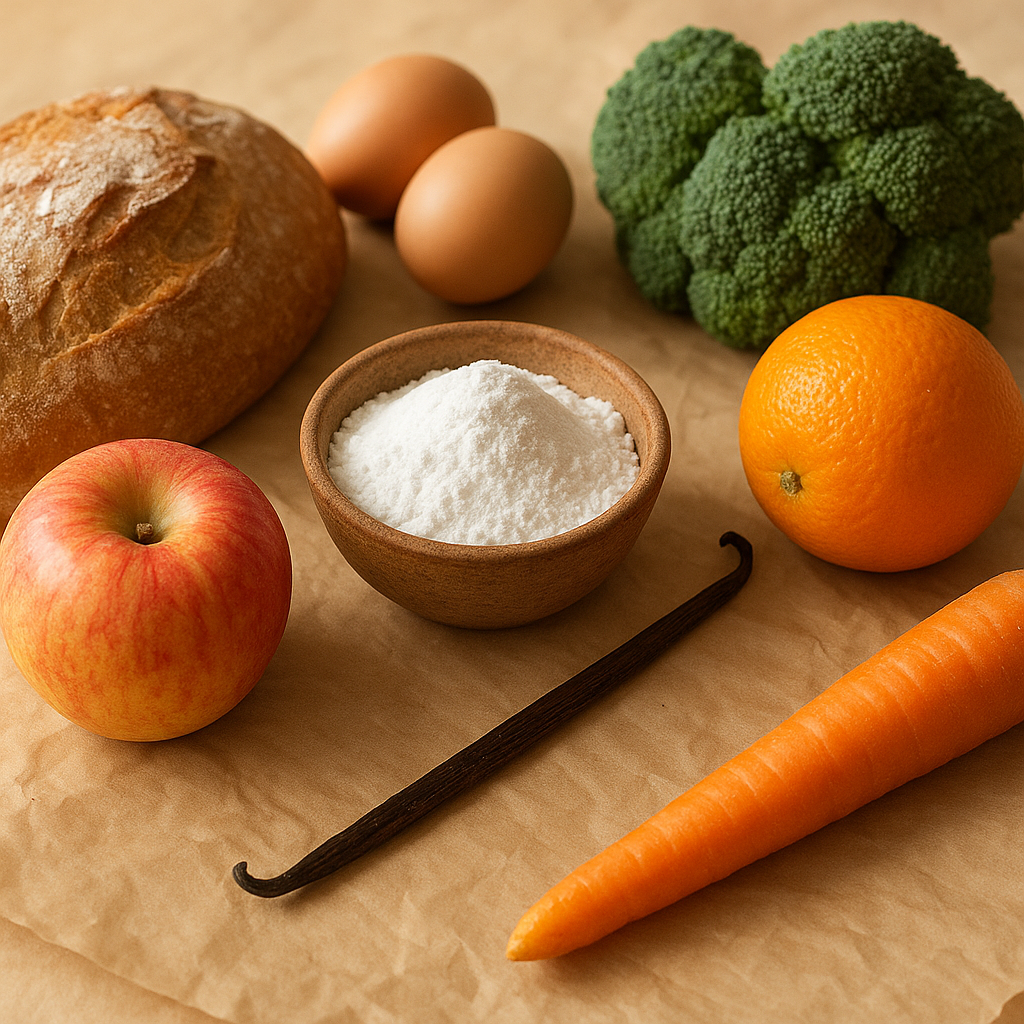
What it is
This is a leavening agent used in baking. It is a dry chemical mixture that produces carbon dioxide gas when combined with moisture and heat. This gas causes doughs and batters to rise, creating a lighter and fluffier texture in baked goods. It is a common pantry staple for anyone who enjoys baking cakes, cookies, or quick breads. The powder is typically white and has a fine texture.
How people cook with it
Baking powder is essential for achieving the desired rise and texture in many baked recipes. It works quickly to help create airy goods.
- Leavening for cakes
- Lightening biscuits
- Fluffing pancakes
- Raising muffins
When a recipe calls for baking powder, it is usually mixed with the dry ingredients, such as flour and sugar. The moisture in the wet ingredients, like eggs and milk, will activate the first stage of leavening. As the batter or dough heats up in the oven, the second stage of leavening occurs, producing the carbon dioxide bubbles that make the baked item expand. It is important to measure it accurately as too much can result in a metallic taste, and too little will prevent proper rising.
How it differs from similar foods
Unlike baking soda, which requires an acidic ingredient to activate, baking powder is a complete leavening system. It contains both an acid and a base. This means it can be used in recipes that do not have other acidic components, providing a reliable rise on its own.
Who it is for
Home bakers and professional chefs use baking powder to ensure their creations have a desirable texture.
How to keep the rest
To maintain its effectiveness, store baking powder in a cool, dry place away from moisture. Keep the container tightly sealed after each use. This prevents clumping and preserves its leavening power for future baking projects.