
Badia · 32 fl oz
Badia White Vinegar
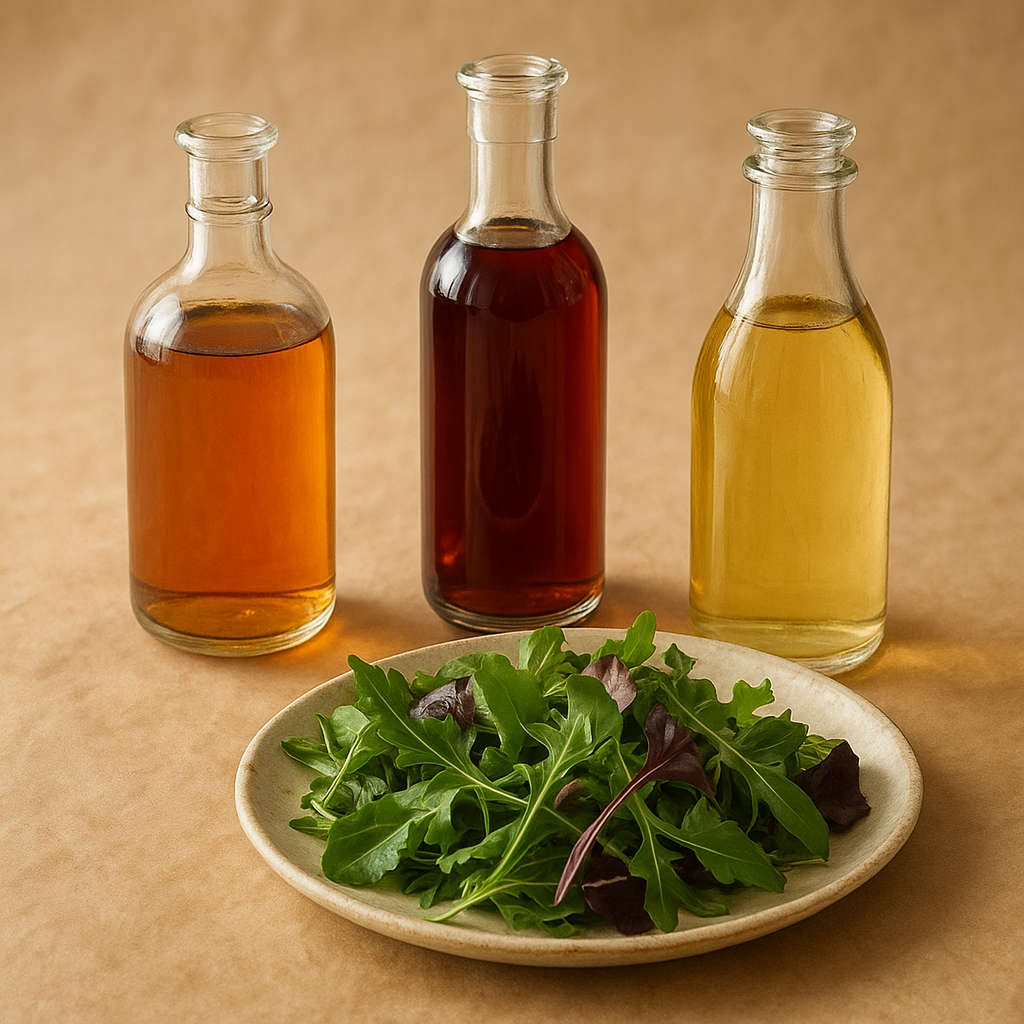
What it is
This is a common household staple, a clear, colorless liquid with a sharp, pungent aroma and taste. It is produced through the fermentation of ethanol by acetic acid bacteria. Its acidity makes it a versatile ingredient in both cooking and cleaning. It is a fundamental pantry item for many kitchens.
How people cook with it
White vinegar is used in a wide variety of culinary applications. Its acidity can balance flavors and tenderize ingredients.
- Marinades for meats
- Pickling vegetables
- Salad dressings
- Baking leavening
In cooking, white vinegar is often added to marinades to help break down tough meat fibers, making them more tender. It is essential for making quick pickles, where its acidity preserves vegetables and imparts a tangy flavor. It can be whisked into salad dressings to provide a bright, acidic counterpoint to richer ingredients. In baking, it reacts with baking soda to create leavening, helping cakes and breads rise. It can also be used to deglaze pans, adding depth to sauces.
How it differs from similar foods
Compared to other vinegars like apple cider or red wine vinegar, white vinegar has a more neutral flavor profile. It is less fruity and less complex, making it ideal when a pure acidic note is desired without introducing other tastes. Its clarity also means it won't color lighter dishes.
Who it is for
Home cooks and professional chefs alike utilize white vinegar for its functional properties and clean taste.
How to keep the rest
To maintain its quality, store the remaining vinegar in its original container or a tightly sealed glass bottle. Keep it in a cool, dark place, away from direct sunlight and heat. Proper storage ensures its potency for future use.