
Grocery
Granulated Sugar
What it is
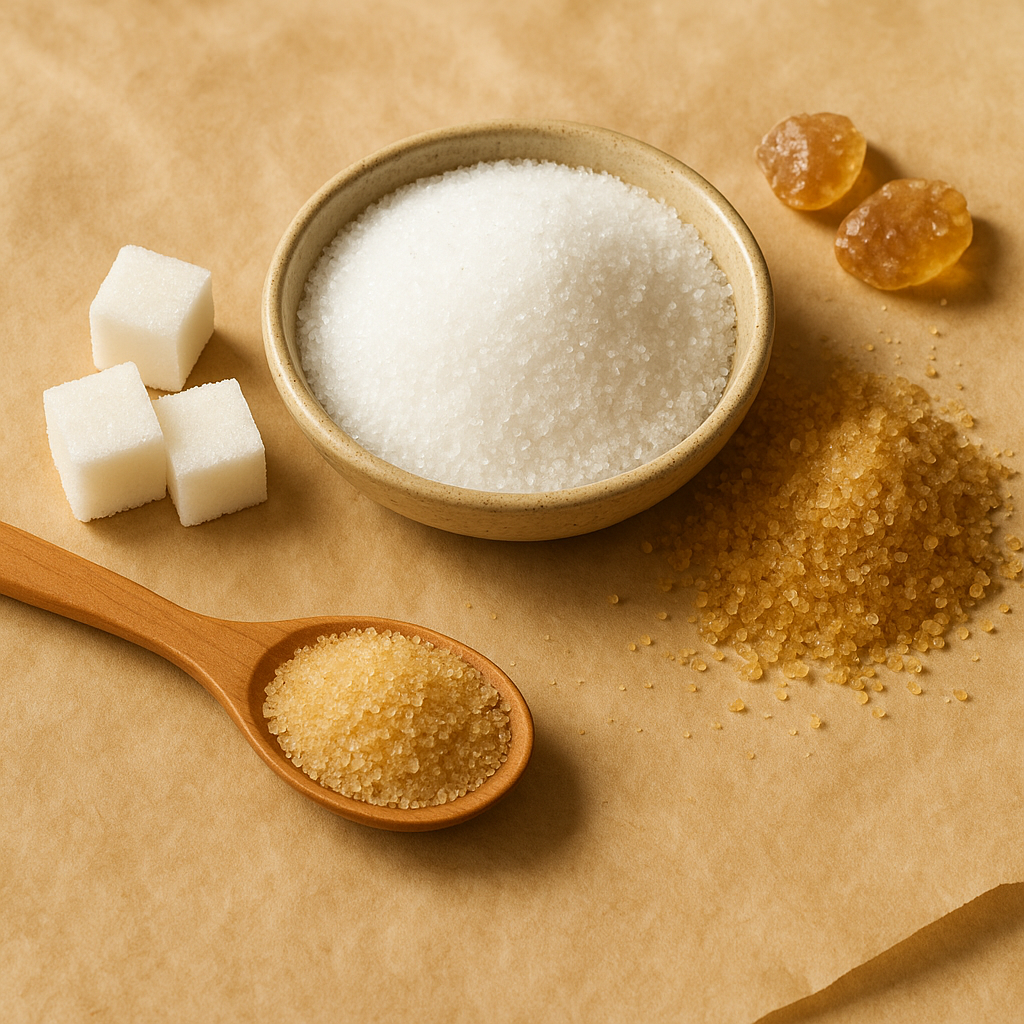
This is a common pantry staple, a finely granulated white sugar. It is a pure carbohydrate, typically derived from sugarcane or sugar beets. Its crystalline structure makes it easy to measure and dissolve in liquids. It is a fundamental ingredient in baking and cooking, providing sweetness and contributing to texture and browning in many dishes.
How people cook with it
Granulated sugar is incredibly versatile in the kitchen. It is used in both sweet and savory applications.
- Sweetening beverages
- Baking cakes and cookies
- Caramelizing sauces
- Balancing flavors
Granulated sugar is a foundational element in many recipes. It is creamed with butter to create a light and airy base for cakes and cookies, contributing to their structure and tenderness. It dissolves readily in liquids, making it ideal for sweetening coffee, tea, and other drinks. In baking, it plays a role in the Maillard reaction, promoting browning and adding a desirable crispness to baked goods. It can also be used to create simple syrups for cocktails or to balance the acidity in tomato sauces.
How it differs from similar foods
Compared to powdered sugar, granulated sugar has a coarser texture and does not contain cornstarch. It dissolves more slowly than superfine sugar, which is often preferred for delicate pastries where quick dissolution is desired. Its standard grain size makes it suitable for most general cooking and baking purposes.
Who it is for
Home cooks and professional chefs rely on this ingredient for everyday cooking and baking.
How to keep the rest
To maintain its quality, store granulated sugar in a cool, dry place in an airtight container. This prevents it from absorbing moisture, which can cause it to clump, and also protects it from absorbing odors from other pantry items.