
Grocery
Aromatic Basmati Rice
What it is
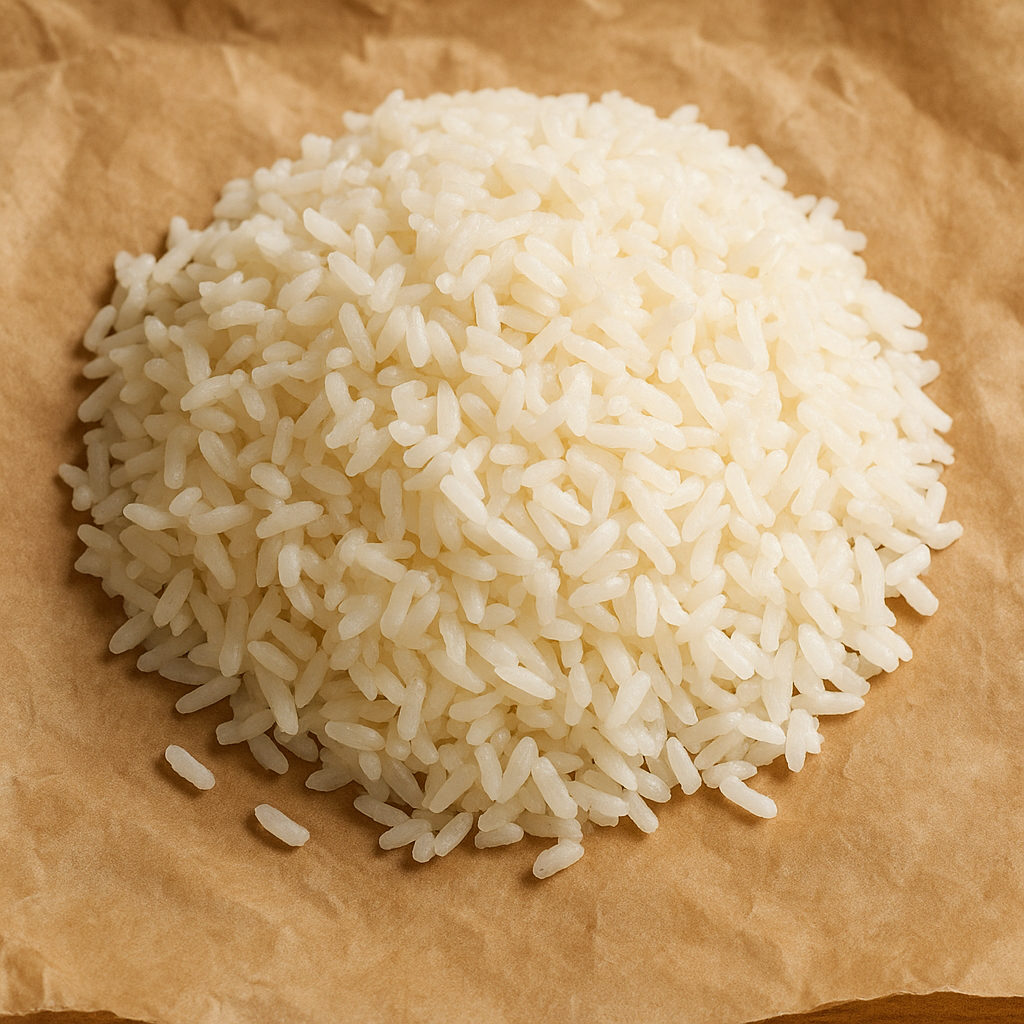
This is a type of long-grain rice known for its distinctive aroma, often described as nutty or floral. It originates from the Indian subcontinent and is a staple in many cuisines. The grains are naturally slender and remain separate and fluffy when cooked, making it ideal for dishes where distinct grains are desired. It is a versatile grain that absorbs flavors well.
How people cook with it
Basmati rice is a foundational ingredient for many meals. Its delicate flavor and texture make it suitable for a wide range of culinary applications.
- Side dish for curries
- Base for pilafs
- Ingredient in rice salads
- Accompaniment to grilled meats
To prepare basmati rice, it is typically rinsed thoroughly under cold water until the water runs clear. This removes excess starch, which helps prevent the grains from clumping. The rice is then usually cooked by simmering in a measured amount of water or broth, often with a pinch of salt, until all the liquid is absorbed and the grains are tender. Some cooks add a small amount of oil or butter to the cooking water for added richness. Once cooked, it is often fluffed with a fork.
How it differs from similar foods
Compared to other rice varieties, basmati is distinguished by its unique fragrance and its tendency to cook up into long, separate, fluffy grains. Other rice types might be stickier or have a more neutral aroma. Its texture is lighter and less prone to clumping than medium or short-grain rice.
Who it is for
Home cooks and professional chefs alike use basmati rice for its unique qualities and versatility in various dishes.
How to keep the rest
Store uncooked basmati rice in a cool, dry place in an airtight container. This helps to maintain its freshness and prevent it from absorbing odors from other foods. Properly stored, it can last for a considerable amount of time.