
Grocery
Apple Cider Vinegar
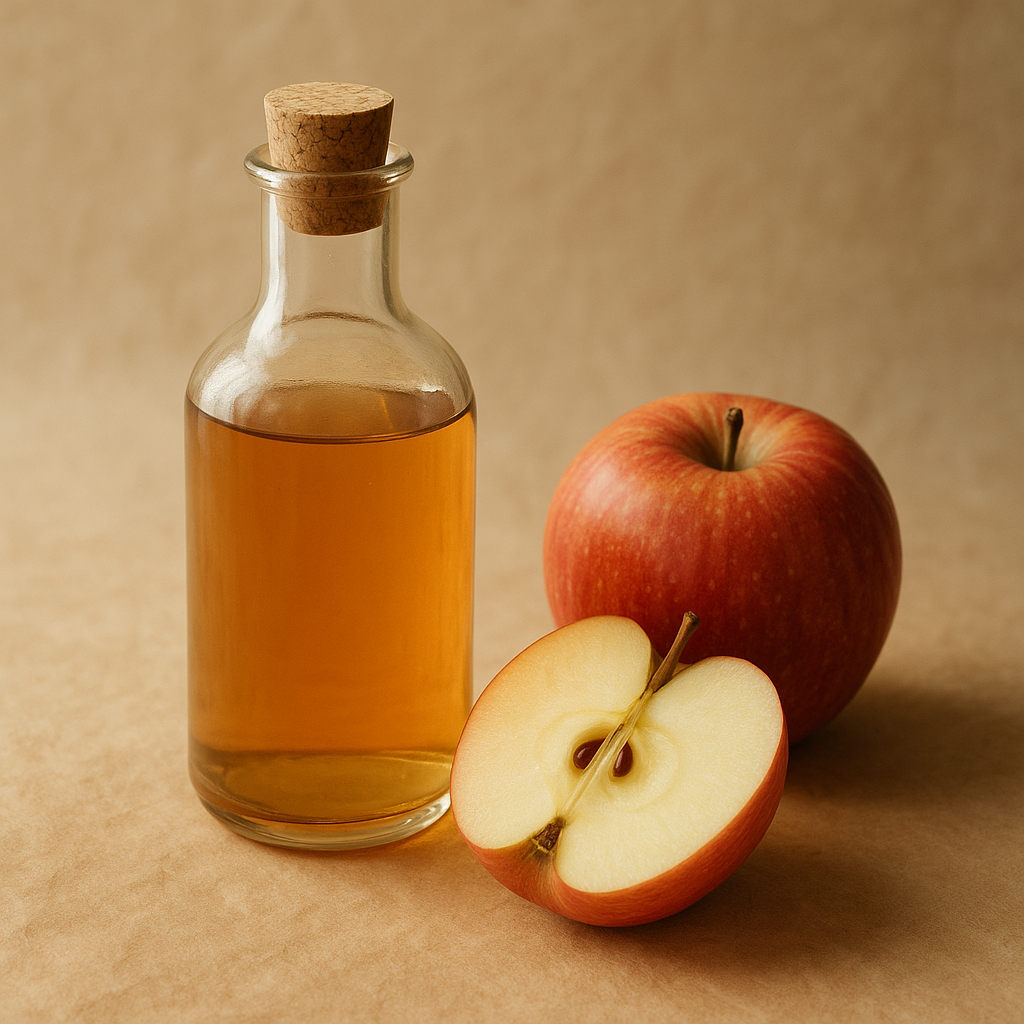
What it is
This is a type of vinegar made from fermented apple juice. The fermentation process converts the sugars in the apples into alcohol, and then further fermentation turns the alcohol into acetic acid. This results in a tangy, slightly sweet liquid with a characteristic aroma. It is often unfiltered and unpasteurized, which means it may contain a cloudy sediment known as the 'mother.' This sediment is a natural byproduct of the fermentation and is considered by some to be beneficial.
How people cook with it
Apple cider vinegar is a versatile ingredient found in many kitchens. It adds a bright, acidic note to a wide range of dishes and beverages.
- Salad dressings
- Marinades
- Pickling brines
- Beverage mixers
In cooking, apple cider vinegar can be used to balance rich flavors or to tenderize meats. It's a common component in vinaigrettes, adding a pleasant sharpness that cuts through the oil. When making marinades, its acidity helps to break down proteins in meat, making it more tender and flavorful. It can also be incorporated into sauces, chutneys, and even baked goods for a subtle tang. For drinks, a small amount can be added to water or other beverages for a refreshing twist.
How it differs from similar foods
Compared to white distilled vinegar, apple cider vinegar has a fruitier flavor profile and a less harsh acidity. It also differs from balsamic vinegar, which is sweeter and has a darker color due to its aging process and grape base.
Who it is for
Home cooks and beverage enthusiasts often keep apple cider vinegar on hand for various culinary applications.
How to keep the rest
After opening, store apple cider vinegar in a cool, dark place, such as a pantry. It does not require refrigeration. Ensure the cap is tightly sealed to maintain its quality and prevent evaporation. The sediment, if present, does not indicate spoilage and can be shaken before use.