
Grocery
Apple Cider Vinegar
What it is
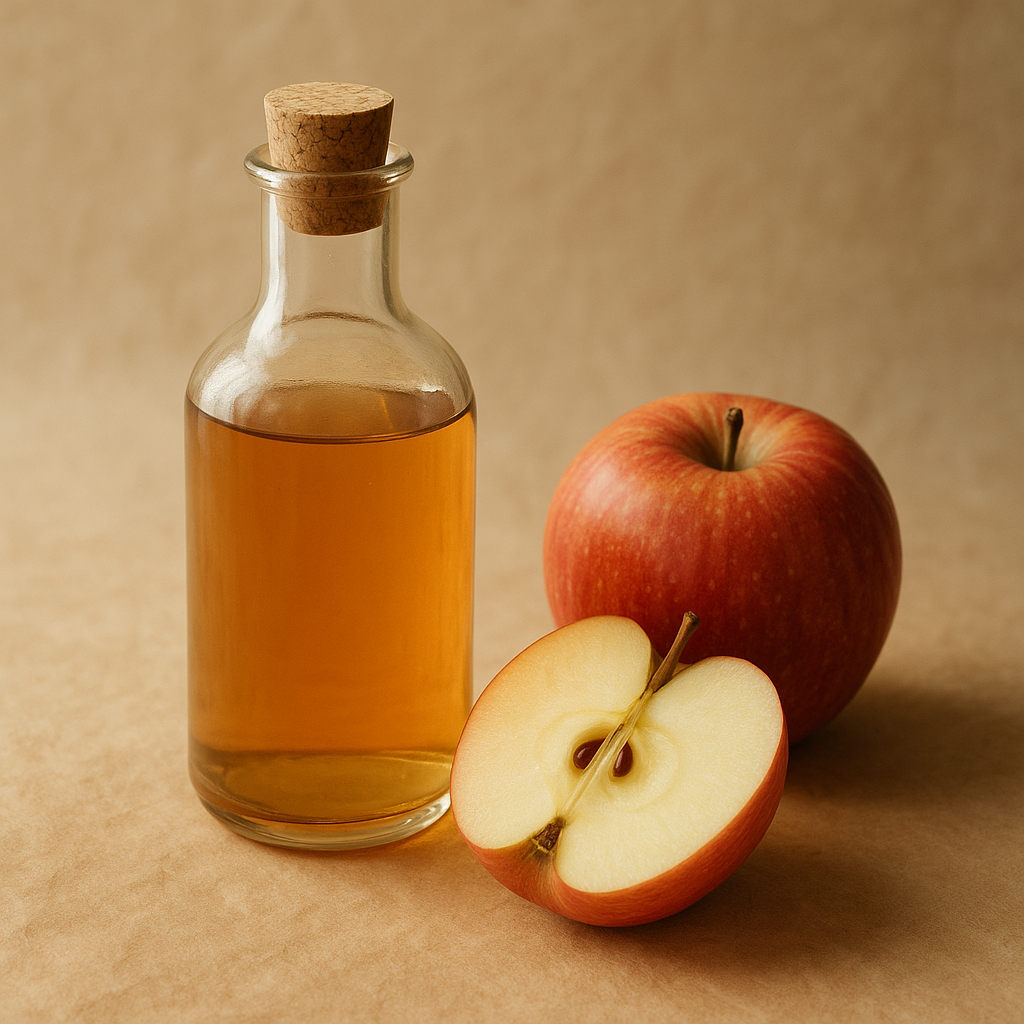
Apple cider vinegar is a type of vinegar made from fermented apple juice. The fermentation process converts the sugars in the apples into alcohol, and then into acetic acid. This gives apple cider vinegar its characteristic tart and tangy flavor. It is a common ingredient in kitchens around the world, often used for its culinary properties and its distinctive taste.
How people cook with it
This versatile ingredient adds a bright, acidic note to a wide range of dishes. It can be used in both sweet and savory applications, providing balance and depth of flavor.
- Salad dressings
- Marinades
- Pickling brines
- Sauces
Apple cider vinegar is a staple for creating homemade salad dressings, where its acidity cuts through the richness of oils and other ingredients. It is also frequently incorporated into marinades for meats and vegetables, helping to tenderize them and infuse them with flavor. In pickling, it forms the base of brines, preserving fruits and vegetables. It can also be reduced to create glazes or added to sauces for a tangy finish. Its bright flavor is a welcome addition to many culinary creations.
How it differs from similar foods
Compared to white distilled vinegar, apple cider vinegar has a fruitier aroma and a milder, more complex flavor profile due to its apple origin. White vinegar is typically sharper and more pungent, making it better suited for cleaning or certain pickling recipes where a neutral acidity is desired.
Who it is for
Home cooks and professional chefs alike use apple cider vinegar to enhance the taste of their food.
How to keep the rest
To maintain its quality, store unopened apple cider vinegar in a cool, dark place. Once opened, it can be kept at room temperature or refrigerated. Refrigeration may cause the vinegar to become cloudy, but this does not affect its quality or flavor. Ensure the cap is tightly sealed after each use.