
First Street
First Street Apple Cider Vinegar
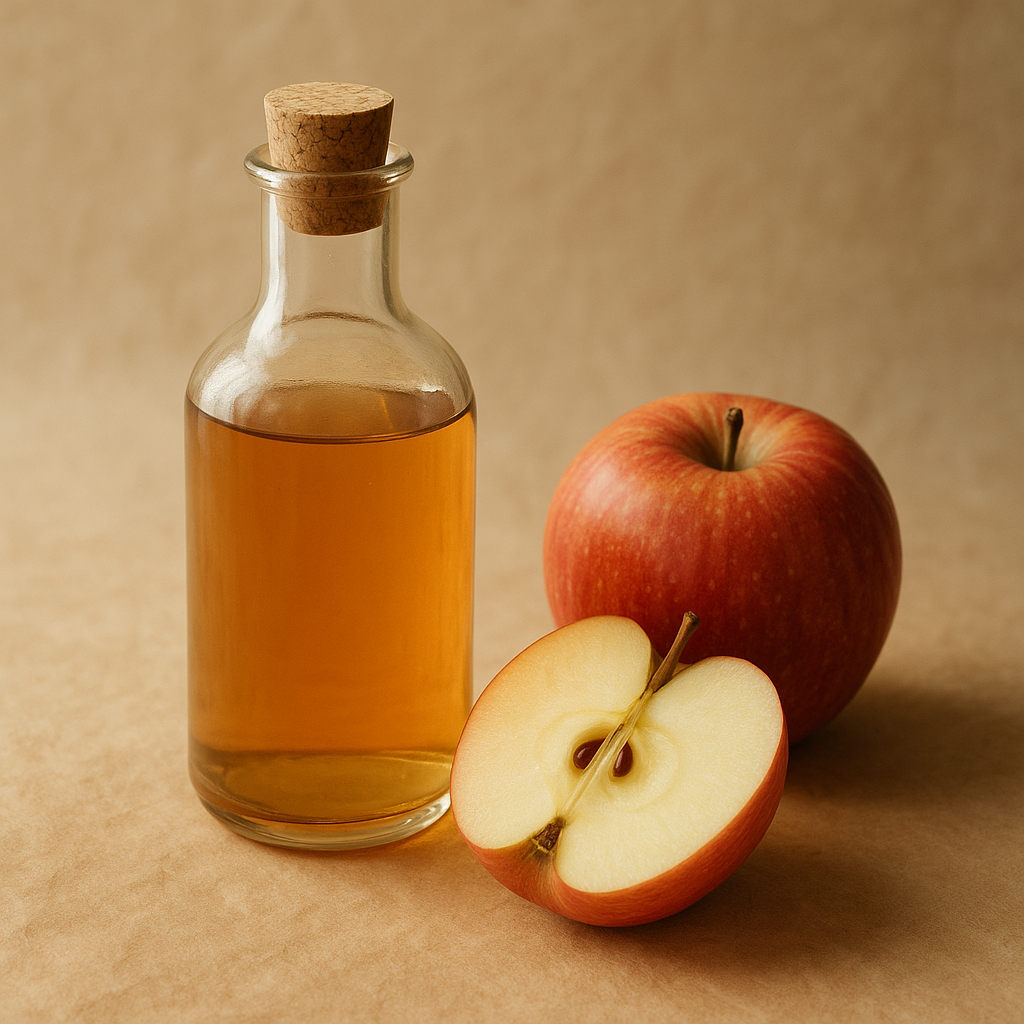
What it is
This is a fermented liquid made from crushed apples. It undergoes a two-step fermentation process. First, yeast converts the sugars in the apple juice into alcohol. Then, bacteria convert the alcohol into acetic acid, which gives vinegar its characteristic sour taste and pungent aroma. It is often unfiltered and unpasteurized, meaning it may contain a cloudy sediment known as the 'mother.' This sediment is a natural byproduct of the fermentation process.
How people cook with it
Apple cider vinegar is a versatile ingredient used in kitchens around the world. Its sharp flavor and acidic nature make it suitable for a wide range of culinary applications.
- Salad dressings
- Marinades
- Pickling brines
- Sauces
In cooking, apple cider vinegar adds a bright, tangy note. It is commonly whisked into vinaigrettes for salads, providing a pleasant counterpoint to richer ingredients. It can also be incorporated into marinades for meats and vegetables, helping to tenderize them and infuse flavor. For preserving foods, it forms the base of many pickling liquids, creating a tart and zesty environment. It can also be reduced into glazes or used to balance the sweetness in baked goods and desserts. Its acidity can even be used to activate baking soda in recipes.
How it differs from similar foods
Unlike white distilled vinegar, apple cider vinegar has a fruitier aroma and a less harsh, more nuanced sourness. Its flavor profile is softer and slightly sweeter, making it a popular choice for applications where a more delicate tang is desired. The presence of the mother in unfiltered varieties can also contribute a slightly different texture and a more complex, earthy undertone.
Who it is for
Home cooks and professional chefs alike appreciate its unique flavor contributions.
How to keep the rest
To maintain its quality, store apple cider vinegar in a cool, dark place, such as a pantry. Keep the bottle tightly sealed to prevent evaporation and contamination. Refrigeration is not typically necessary, but it can help preserve its flavor for longer periods, especially if it is unfiltered and contains the mother.