
Simply Nature · 1
Simply Nature Apple Cider Vinegar
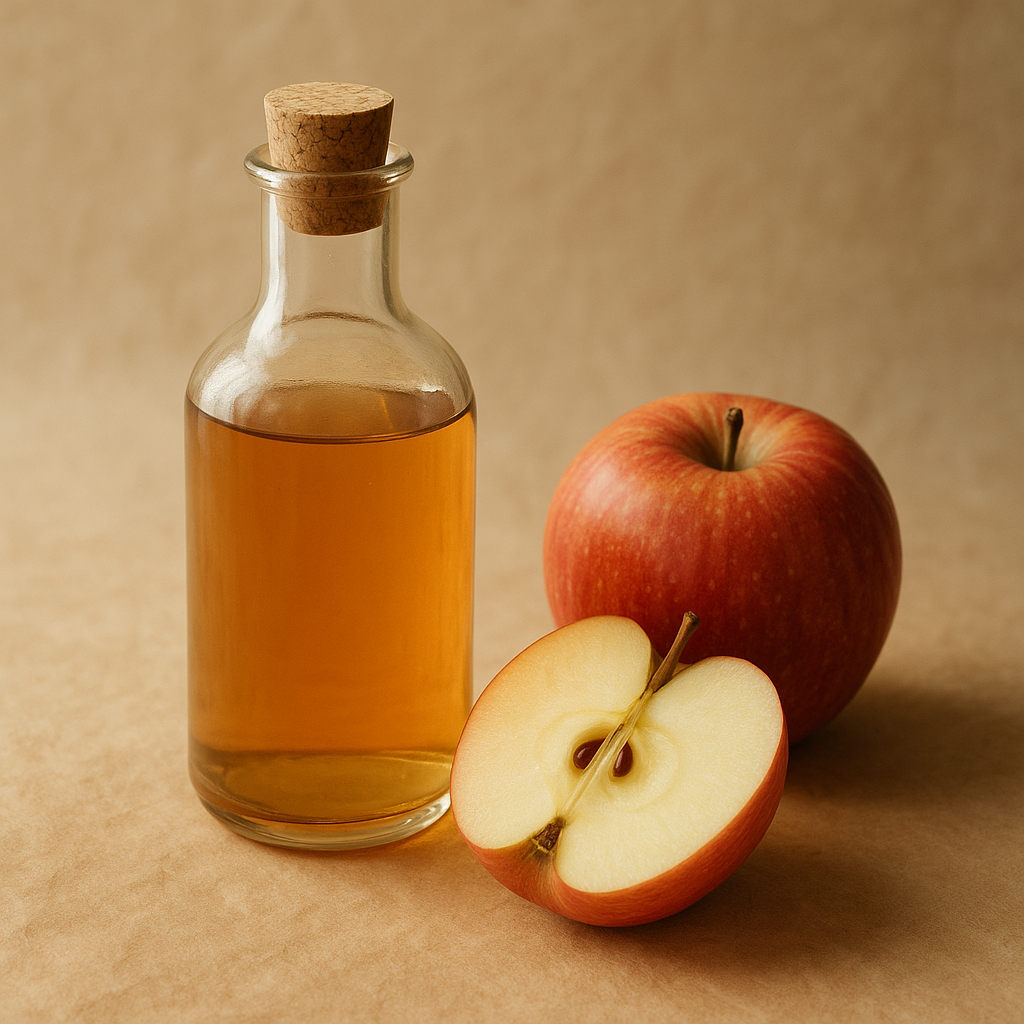
What it is
This is a fermented apple juice that has been transformed into vinegar. It has a distinct tart and slightly sweet flavor profile. The fermentation process creates a complex taste that is different from white vinegar or other types of vinegar. It is often unfiltered, meaning it may contain a cloudy sediment known as the 'mother,' which is a collection of beneficial bacteria and enzymes. This sediment is natural and can be stirred back in before use.
How people cook with it
Apple cider vinegar is a versatile ingredient used in both cooking and non-culinary applications. Its bright acidity can enhance a wide range of dishes.
- Salad dressings
- Marinades
- Pickling brines
- Homemade beverages
In the kitchen, apple cider vinegar is excellent for adding a tangy note to vinaigrettes and marinades, tenderizing meats, and creating flavorful pickling liquids for vegetables. It can also be diluted with water and honey for a refreshing drink. Beyond cooking, some people use it in homemade cleaning solutions or as a natural toner for skin. Its sharp taste can cut through richness in dishes, providing balance.
How it differs from similar foods
Compared to white distilled vinegar, apple cider vinegar offers a fruitier, more nuanced flavor. It is less harsh and has a distinct apple aroma. Other vinegars, like red wine or balsamic, have their own unique flavor profiles and are derived from different base ingredients, leading to different culinary uses.
Who it is for
Home cooks and culinary enthusiasts often reach for apple cider vinegar to add depth and brightness to their recipes.
How to keep the rest
To maintain its quality, store unopened bottles in a cool, dark pantry. Once opened, it can be kept at room temperature or refrigerated. If the 'mother' settles, simply shake the bottle gently before using. Avoid prolonged exposure to heat or direct sunlight.