
Weis Quality
Weis Quality Apple Cider Vinegar
What it is
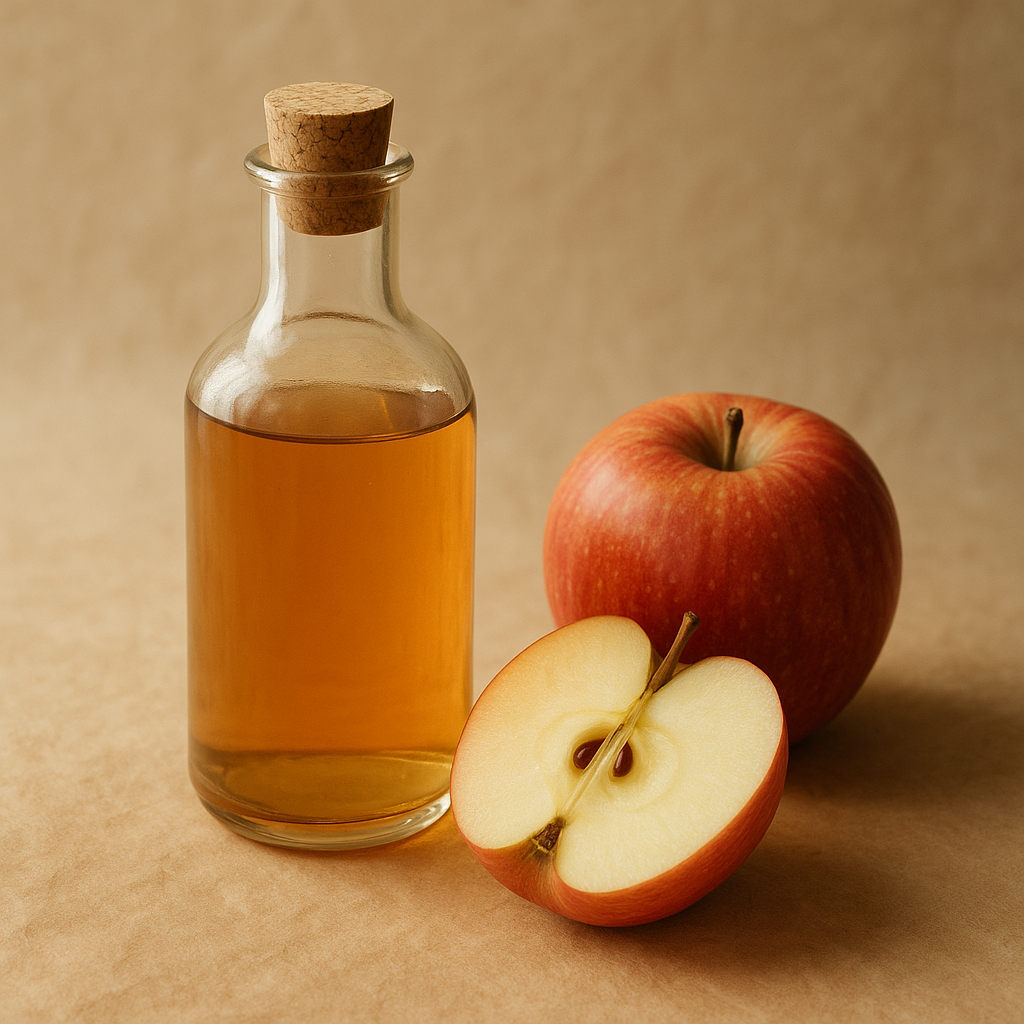
This is a fermented apple juice that has been converted into acetic acid. It has a distinct tart and slightly sweet flavor profile. The liquid is typically amber in color and can be cloudy due to the presence of the 'mother,' a colony of beneficial bacteria and enzymes. It is a versatile ingredient used in various culinary applications and household tasks.
How people cook with it
Apple cider vinegar is a staple in many kitchens, valued for its sharp taste and its ability to tenderize and flavor foods. It can be used in dressings, marinades, and even in baking.
- Salad dressings
- Marinades for meat
- Pickling brines
- Homemade beverages
In cooking, apple cider vinegar adds a bright acidity that can balance rich flavors or cut through fattiness. It is often whisked into vinaigrettes with oil and seasonings for salads. It can also be incorporated into marinades to help tenderize tougher cuts of meat, infusing them with a subtle tang. For pickling, it forms the base of a brine that preserves vegetables and adds a zesty flavor. Some people also enjoy it diluted in water as a refreshing drink, sometimes with honey.
How it differs from similar foods
Compared to white distilled vinegar, apple cider vinegar has a fruitier aroma and a milder, more complex flavor. Its acidity is less harsh, making it more palatable in applications where a strong vinegary bite is not desired. The cloudy appearance, due to the mother, is also a visual difference from clearer vinegars.
Who it is for
Home cooks and culinary enthusiasts often keep apple cider vinegar on hand for its unique flavor contributions.
How to keep the rest
To maintain its quality, store unopened apple cider vinegar in a cool, dark place like a pantry. Once opened, it can be kept at room temperature. Refrigeration is not typically necessary but can help preserve its flavor for longer periods if desired. Ensure the cap is tightly sealed after each use.