
Grocery
Apple Cider Vinegar
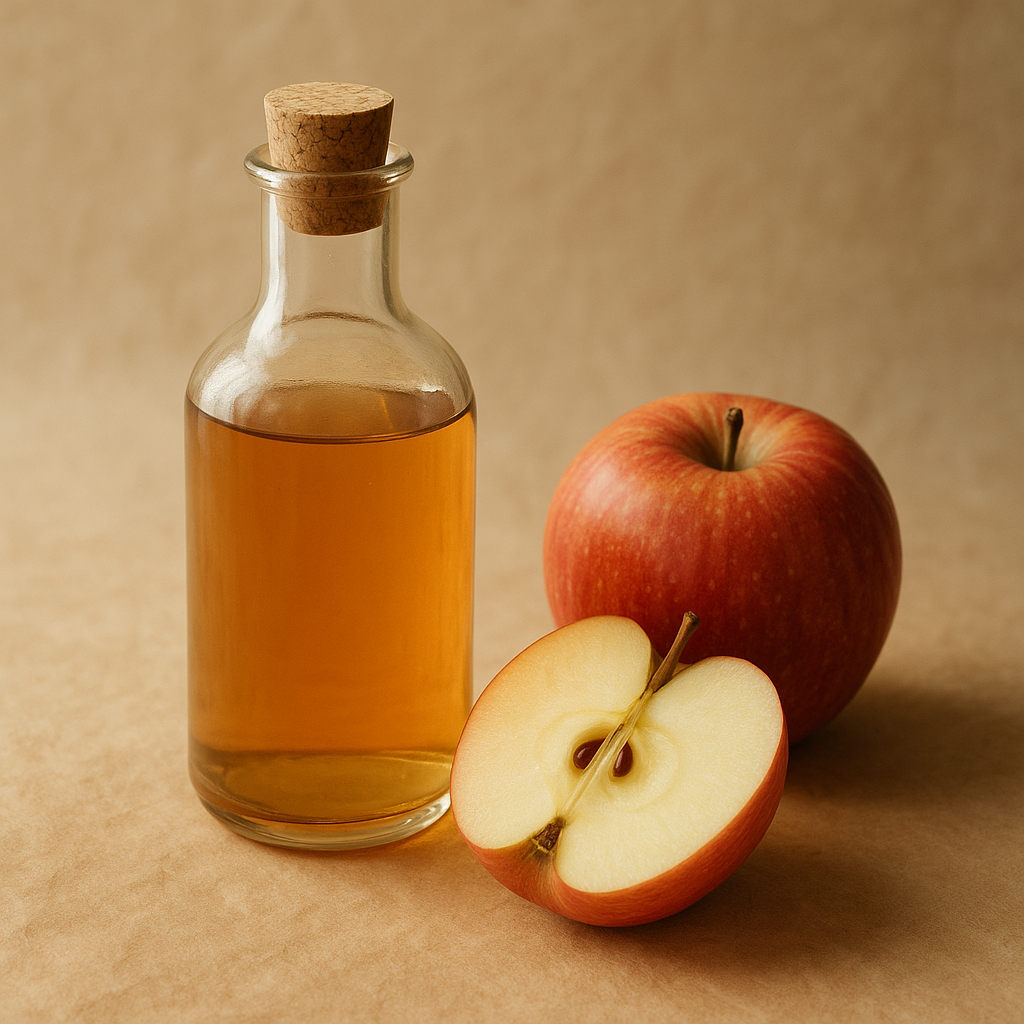
What it is
Apple cider vinegar is a type of vinegar made from fermented apple juice. The fermentation process converts the sugars in the apples into alcohol, and then further fermentation turns the alcohol into acetic acid. This acetic acid is what gives vinegar its characteristic sour taste and pungent aroma. It is often sold unfiltered and unpasteurized, which may result in a cloudy appearance due to the presence of "the mother," a colony of beneficial bacteria and enzymes.
How people cook with it
This versatile ingredient is a staple in many kitchens, used for both culinary and household purposes.
- Salad dressings
- Marinades
- Pickling
- Cleaning solutions
In cooking, apple cider vinegar adds a bright, tangy flavor to dishes. It is commonly used as a base for salad dressings, where its acidity helps to emulsify oils and balance other flavors. It can also tenderize meats when used in marinades, as the acid breaks down proteins. For pickling vegetables, it provides a sharp taste and helps preserve them. Beyond the kitchen, many people use it as a natural cleaning agent for surfaces or as a component in homemade personal care products.
How it differs from similar foods
Compared to white distilled vinegar, apple cider vinegar has a fruitier flavor profile and a less harsh acidity. Other vinegars, like balsamic or red wine vinegar, offer distinct flavor notes and are typically used in different culinary applications due to their unique characteristics.
Who it is for
Home cooks and individuals interested in natural cleaning and food preservation often reach for apple cider vinegar.
How to keep the rest
To maintain its quality, store apple cider vinegar in a cool, dark place, such as a pantry. Once opened, it does not require refrigeration. Keeping the cap tightly sealed will help preserve its flavor and prevent evaporation. If the vinegar is unfiltered, sediment may settle at the bottom, which is normal.