
Grocery
Whole Almonds
What it is
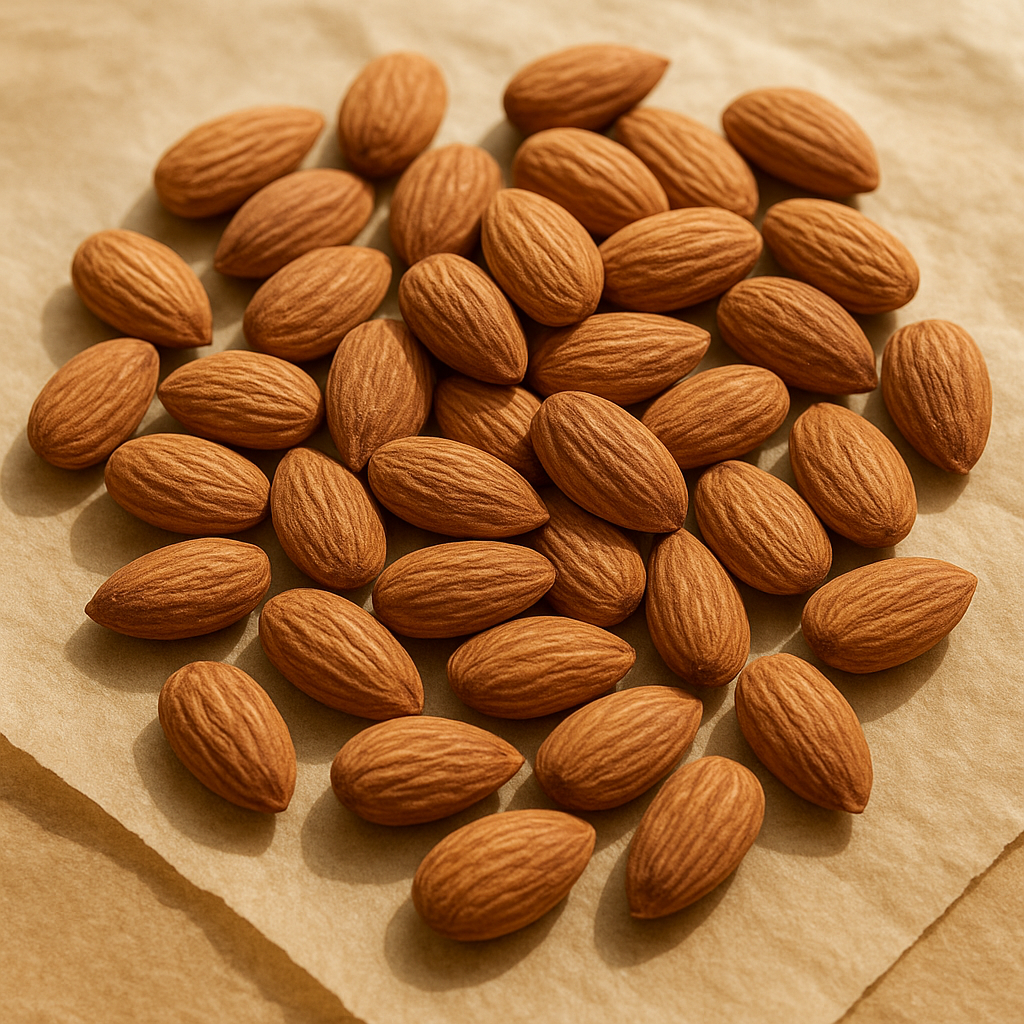
These are whole, raw almonds, meaning they have not been blanched, roasted, or seasoned. They retain their natural skin, which contributes to their texture and flavor. Almonds are a popular snack and a versatile ingredient in many culinary applications. They are known for their satisfying crunch and mild, nutty taste. This product offers a straightforward way to enjoy almonds in their most natural state.
How people cook with it
Whole almonds can be enjoyed as a standalone snack or incorporated into various dishes. Their natural form makes them suitable for both sweet and savory preparations.
- Snack on them directly
- Add to baked goods
- Incorporate into trail mix
- Garnish salads
Toasted whole almonds can enhance their flavor and crunch. You can toast them in a dry skillet over medium heat, stirring frequently until fragrant, or spread them on a baking sheet and roast in a preheated oven. They can be added whole to cookies, muffins, and breads, or roughly chopped for toppings on cakes and pastries. For savory dishes, they pair well with roasted vegetables or as a crunchy element in stir-fries. They also make a great base for homemade almond butter.
How it differs from similar foods
Unlike blanched almonds, whole almonds retain their papery brown skin. This skin provides a slightly more robust flavor and a different texture compared to blanched or slivered varieties. The skin also contains beneficial compounds. Their whole form means they offer a distinct visual appeal and a more substantial bite than sliced or chopped nuts.
Who it is for
Home cooks and snack enthusiasts often reach for whole almonds for their versatility and natural appeal.
How to keep the rest
To maintain freshness, store any unused whole almonds in an airtight container in a cool, dry place. For longer storage, they can be kept in the refrigerator or freezer to prevent them from becoming rancid. Ensure the container is sealed to prevent moisture absorption and odor transfer.