
Grocery
Aged Gouda Cheese
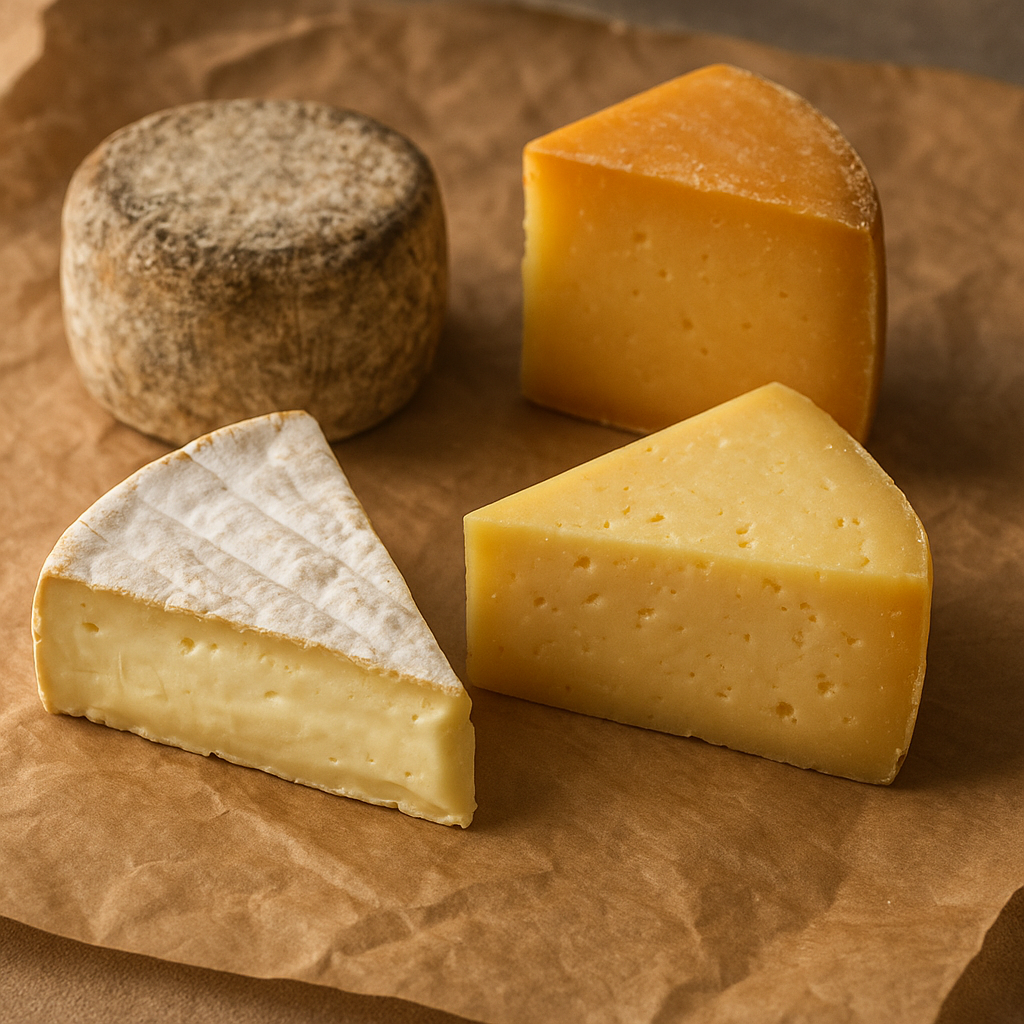
What it is
This is a firm, yellow cheese made from cow's milk. It is aged for a significant period, which develops its distinctive flavor and texture. The aging process allows moisture to evaporate, concentrating the sugars and proteins. This results in a cheese that is often harder and more brittle than younger versions. It can have a slightly crystalline texture due to the formation of tyrosine crystals, which are small, crunchy bits that add character. The flavor profile is complex, often described as nutty, caramel-like, and slightly sweet.
How people cook with it
Aged gouda is a versatile cheese that can be enjoyed in many ways.
- Grated over pasta dishes
- Cubed for cheese boards
- Shaved onto salads
- Melted into sauces
When cooking, aged gouda melts well, though it may not become as stringy as younger cheeses. Its robust flavor means a little goes a long way. It can be grated and added to warm dishes like macaroni and cheese or gratins for a deep, savory note. For a simple snack, it pairs wonderfully with fruits like apples or pears, or with nuts. It also stands up well to stronger flavors, making it a good addition to sandwiches or burgers. Its firm texture makes it easy to slice or cube for entertaining.
How it differs from similar foods
Compared to younger gouda, aged gouda has a much more intense and complex flavor. Younger gouda is typically milder, softer, and more elastic. The aging process deepens the sweetness and nuttiness while reducing moisture, leading to a firmer, more crumbly texture and the development of those characteristic crunchy crystals.
Who it is for
Home cooks and cheese enthusiasts who appreciate a rich, complex flavor profile.
How to keep the rest
To store, wrap any remaining aged gouda tightly in cheese paper or parchment paper, then place it in a plastic bag or airtight container. Keep it in the refrigerator. This helps prevent it from drying out while allowing it to breathe. It can be stored for several weeks.