
Grocery
Fettuccine Pasta
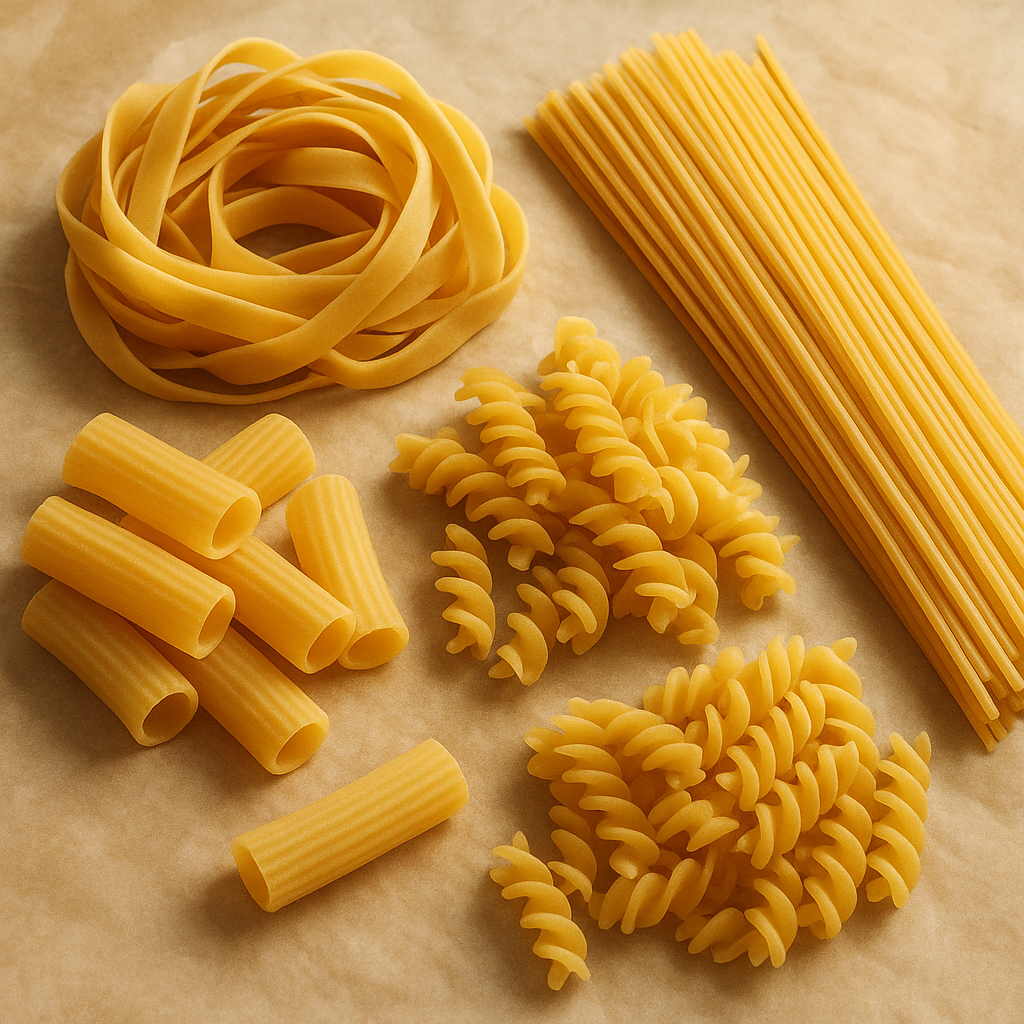
What it is
This is a type of pasta characterized by its flat, ribbon-like shape. It is made from durum wheat semolina and water, which are then extruded and dried. The width of the strands is a key feature, making it suitable for a variety of sauces. It is a staple in many cuisines, particularly Italian cooking, and offers a satisfying texture when cooked al dente.
How people cook with it
Fettuccine is a versatile pasta that pairs well with many different types of sauces and ingredients. Its broad surface area helps to capture and hold richer, creamier sauces.
- With creamy Alfredo sauce
- Tossed with pesto
- In baked pasta dishes
- With hearty meat sauces
To prepare, bring a large pot of salted water to a rolling boil. Add the fettuccine and stir gently to prevent sticking. Cook according to package directions until it reaches the desired tenderness, typically al dente. Drain the pasta, reserving a small amount of the cooking water. Toss the drained fettuccine immediately with your chosen sauce, adding a little reserved pasta water if needed to achieve the right consistency. Serve hot.
How it differs from similar foods
Fettuccine differs from spaghetti in its width and flatness. Unlike thinner strands like linguine, its broader surface area is ideal for clinging to thicker, richer sauces. It also differs from wider noodles like pappardelle, being less wide and offering a slightly different mouthfeel.
Who it is for
Home cooks and chefs preparing classic Italian dishes or experimenting with new pasta creations.
How to keep the rest
Store any unused dried fettuccine in its original packaging or in an airtight container in a cool, dry place. Ensure it is sealed to prevent moisture absorption, which can lead to spoilage or affect cooking quality. Properly stored, it can last for an extended period.