
Grocery
Fragrant Thai Jasmine Rice
What it is
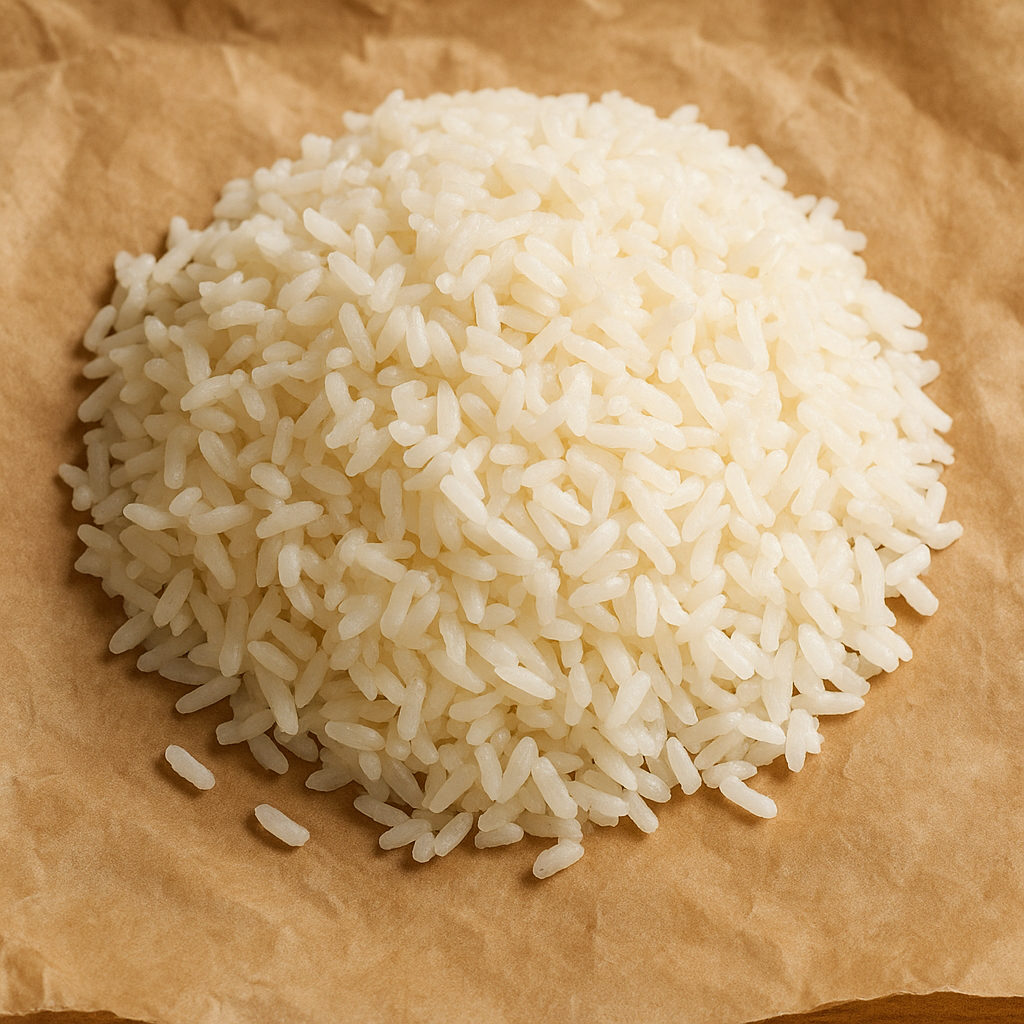
This is a type of long-grain white rice that originates from Thailand. It is known for its distinct aroma, often described as floral or pandan-like, which is released when cooked. The grains are typically slender and become soft and slightly sticky when prepared, making it a popular choice for many Asian cuisines. It is a staple food for millions of people.
How people cook with it
Jasmine rice is a versatile grain that serves as a base for countless dishes.
- Side dish for curries
- Base for stir-fries
- Component of rice bowls
- Accompaniment to grilled meats
To prepare jasmine rice, rinse the grains thoroughly under cold water until the water runs clear. This removes excess starch, which can make the rice gummy. Then, combine the rinsed rice with the appropriate amount of water in a pot. A common ratio is one part rice to 1.5 parts water, but this can vary slightly. Bring the water to a boil, then reduce the heat to low, cover the pot tightly, and simmer for about 15-20 minutes, or until all the water is absorbed. Let it steam, covered, for another 5-10 minutes off the heat before fluffing with a fork.
How it differs from similar foods
Compared to other types of rice like basmati, jasmine rice is generally softer and stickier when cooked. Its aroma is also more pronounced and distinct, often lending a fragrant quality to the entire meal. While basmati is known for its separate, fluffy grains, jasmine rice leans towards a tender, slightly clumpy texture.
Who it is for
Home cooks and professional chefs alike choose jasmine rice for its appealing aroma and texture.
How to keep the rest
Store uncooked jasmine rice in a cool, dry place in an airtight container to protect it from moisture, pests, and odors. Once cooked, refrigerate any leftovers promptly in a sealed container. It is best to consume cooked rice within 3-4 days.