
Grocery
100% Pure Apple Cider Vinegar
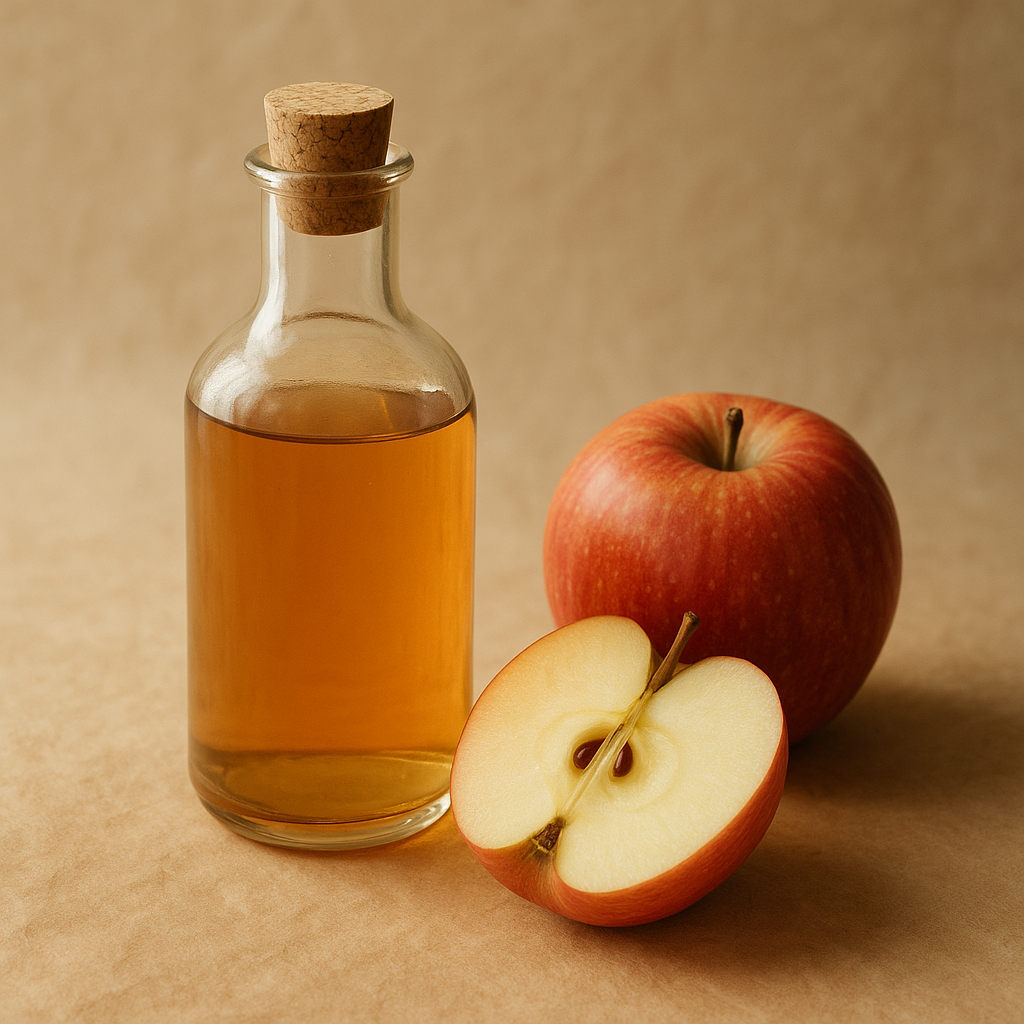
What it is
This is a fermented liquid made from pressed apples. The process involves crushing apples and allowing them to ferment. Yeast converts the sugars into alcohol, and then bacteria convert the alcohol into acetic acid. This gives apple cider vinegar its characteristic tart and pungent flavor. It is a versatile ingredient found in many kitchens.
How people cook with it
Apple cider vinegar is a staple for both cooking and household tasks. Its sharp taste can enhance many dishes and it has various practical applications.
- Marinades and dressings
- Pickling brines
- Cleaning solutions
- Beverage additions
In cooking, apple cider vinegar adds a bright, acidic note to salad dressings, marinades, and sauces. It can be used to tenderize meats or to create a tangy flavor in baked goods. For pickling, it forms the base of many brining liquids, helping to preserve vegetables. Beyond the kitchen, it can be diluted with water for cleaning surfaces or used in homemade personal care recipes. Its versatility makes it a valuable pantry item.
How it differs from similar foods
Compared to white distilled vinegar, apple cider vinegar has a fruitier aroma and a less harsh acidity. Its natural fermentation process also contributes to a more complex flavor profile. Other vinegars, like red wine or balsamic, have distinct flavor profiles derived from their base ingredients.
Who it is for
Home cooks and individuals looking for a natural ingredient for culinary and household uses.
How to keep the rest
After opening, store the apple cider vinegar in a cool, dark place, such as a pantry. A tightly sealed cap will help maintain its quality. Refrigeration is not typically necessary, but it can help preserve its potency over very long periods.