
Grocery
1% Low-Fat Milk
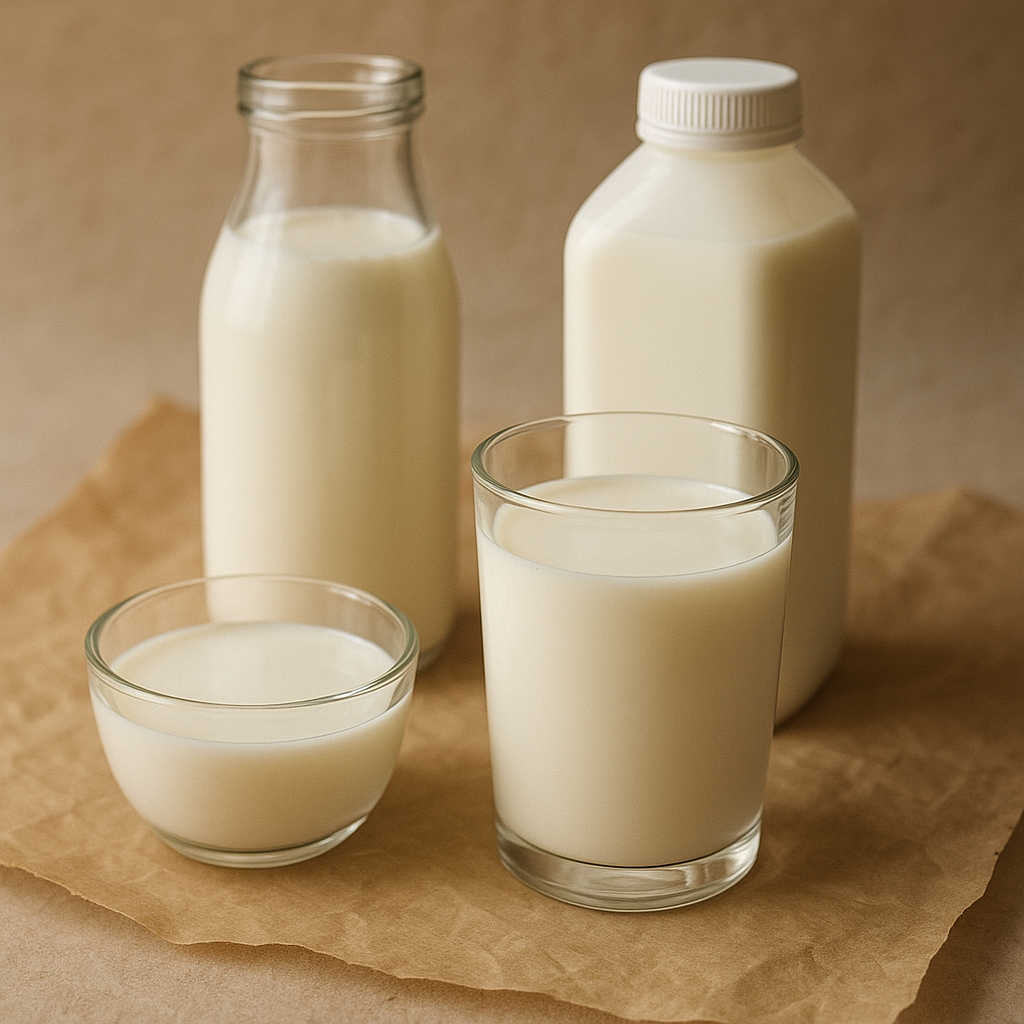
What it is
This is a dairy beverage that has undergone a process to reduce its fat content. The milk is a white liquid produced by mammals, commonly cows, and is a staple in many households. It offers a lighter alternative to whole milk while still providing essential nutrients.
How people cook with it
Milk is a versatile ingredient used in countless culinary applications, both as a beverage and as a component in cooking and baking.
- Drinking straight from a glass
- Adding to cereal
- Using in baked goods
- Whisking into sauces
This milk can be enjoyed chilled as a refreshing drink on its own. It is also excellent poured over breakfast cereals, granola, or oatmeal to enhance their flavor and texture. In cooking, it serves as a liquid base for creamy soups, gravies, and sauces. Bakers often incorporate it into cake batters, pancake mixes, and custards to contribute moisture and richness. It can also be steamed for lattes and cappuccinos, though it may not produce as thick a foam as higher-fat milks.
How it differs from similar foods
Compared to whole milk, 1% milk contains significantly less fat, resulting in a thinner consistency and a less creamy mouthfeel. It is lighter than 2% milk but still offers a mild dairy flavor suitable for most applications.
Who it is for
Individuals seeking a lower-fat dairy option for drinking or cooking will find this milk suitable.
How to keep the rest
After opening, store the remaining milk in its original container in the refrigerator. Keep the carton tightly sealed to prevent spoilage and maintain freshness. Consume the opened milk within the recommended timeframe, typically a few days after purchase, to ensure optimal quality.