
White House Foods · 15 ml
White House Foods Apple Cider Vinegar
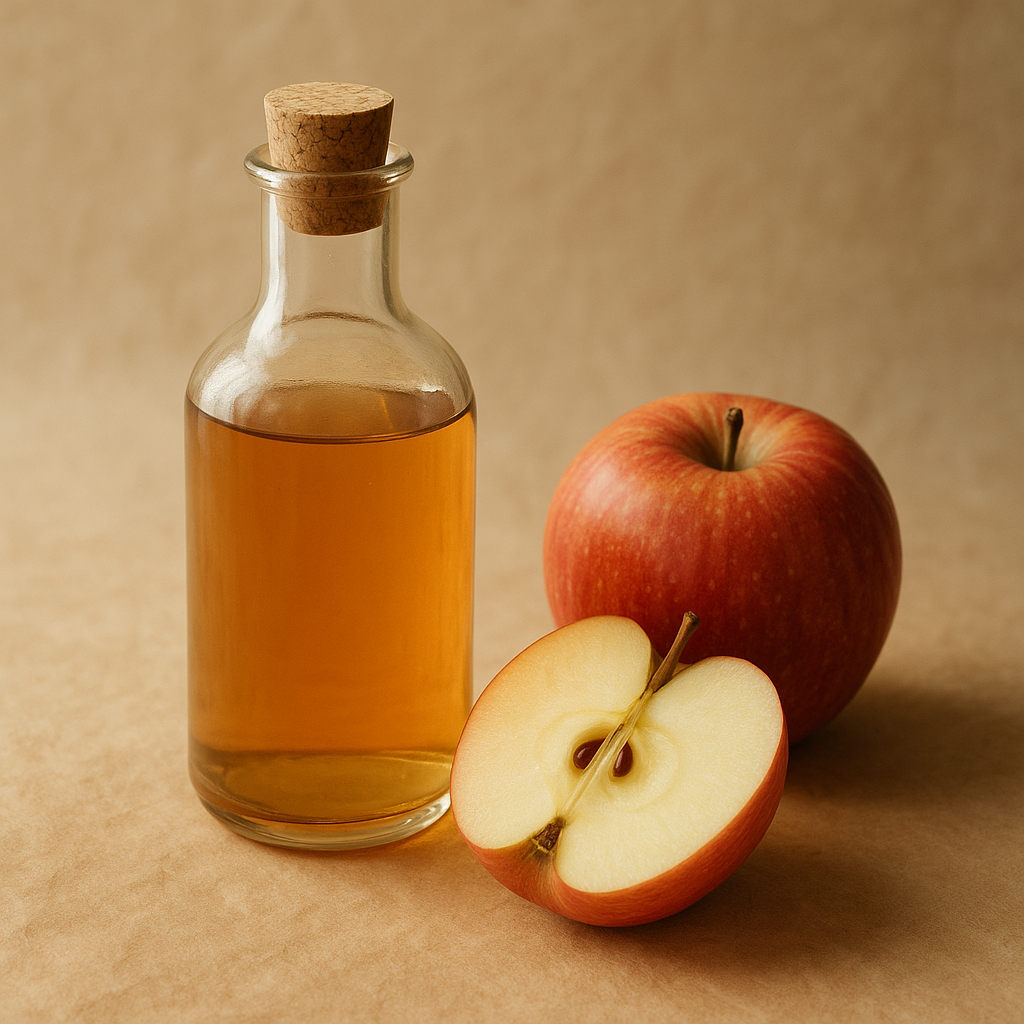
What it is
This is a liquid made from fermented apple cider. It has a distinct tart and slightly sweet flavor profile. The fermentation process converts the sugars in apple cider into alcohol, and then into acetic acid. This acetic acid is what gives vinegar its characteristic sour taste and pungent aroma. It is a common pantry staple used in a variety of culinary applications.
How people cook with it
Apple cider vinegar is a versatile ingredient that can be used in both sweet and savory dishes. It adds a bright, acidic note to many recipes.
- Salad dressings
- Marinades
- Pickling
- Sauces
You can incorporate apple cider vinegar into your cooking by whisking it into homemade salad dressings, adding it to marinades for meats and vegetables, or using it in the brine for pickling cucumbers and other produce. It also forms the base for many barbecue sauces and glazes, providing a tangy counterpoint to sweetness. A small amount can also be added to stews or braised dishes to enhance their overall flavor complexity. Experiment with different ratios to achieve your desired level of acidity.
How it differs from similar foods
Compared to white distilled vinegar, apple cider vinegar has a fruitier aroma and a milder, more complex flavor. It is less sharp than white vinegar, with subtle notes derived from the apples. This makes it a preferred choice when a less aggressive acidity is desired.
Who it is for
Home cooks and professional chefs often reach for apple cider vinegar to add depth and brightness to their creations.
How to keep the rest
After opening, it is best to store apple cider vinegar in a cool, dark place, such as a pantry. While refrigeration is not strictly necessary, it can help preserve its flavor and quality over a longer period. Ensure the cap is tightly sealed to prevent evaporation and contamination.