
Grocery
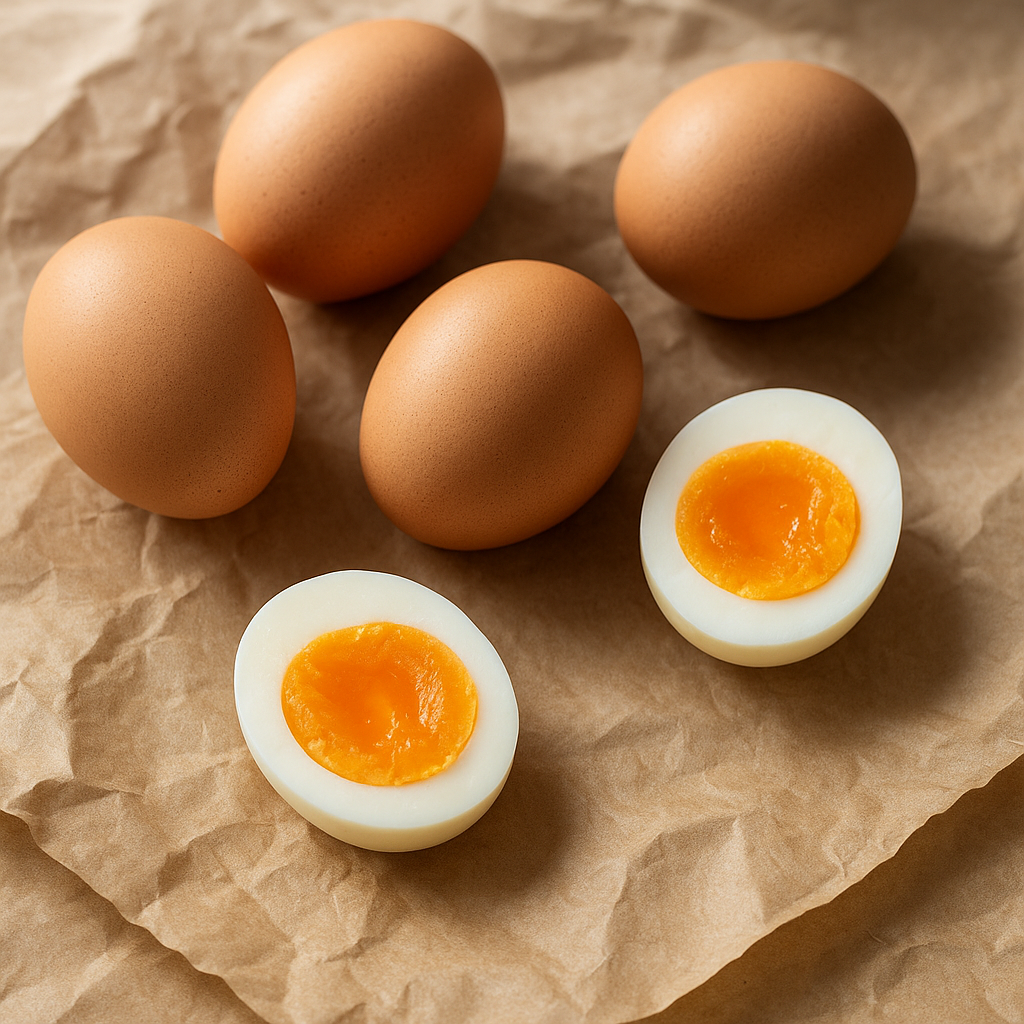
Organic Large Brown Eggs
What it is
These are large chicken eggs produced by hens raised under organic standards. This means the hens have access to the outdoors and are fed organic feed, free from synthetic pesticides and fertilizers. The brown shell color is due to the breed of the hen and does not affect the egg's quality or taste. They are a versatile ingredient in many dishes.
How people cook with it
Eggs are a fundamental ingredient in kitchens worldwide, used in countless preparations.
- Scrambled for breakfast
- Baked into cakes
- Fried for sandwiches
- Hard-boiled for snacks
Eggs can be cooked in numerous ways. They can be gently whisked and cooked in a pan to create fluffy scrambled eggs, or fried sunny-side up, over easy, or over hard. For baking, eggs act as a binder and leavening agent, contributing to the structure and texture of cakes, cookies, and breads. They are also essential for custards and sauces, where their proteins coagulate when heated, thickening the mixture. Hard-boiling or soft-boiling are simple methods for enjoying eggs as a standalone dish or as an addition to salads.
How it differs from similar foods
The primary difference between brown and white eggs is the breed of the hen; brown eggs come from hens with red earlobes, while white eggs come from hens with white earlobes. The shell color does not impact flavor or cooking properties. Organic eggs differ from conventional eggs in their farming practices, focusing on animal welfare and feed quality.
Who it is for
Home cooks and professional chefs alike rely on eggs for their culinary versatility.
How to keep the rest
To maintain freshness, store uncooked eggs in their original carton in the coldest part of your refrigerator, typically the main body and not the door. Keep them away from strong odors. For best quality, use them within the recommended timeframe on the packaging.