
Grocery
Apple Cider Vinegar
What it is
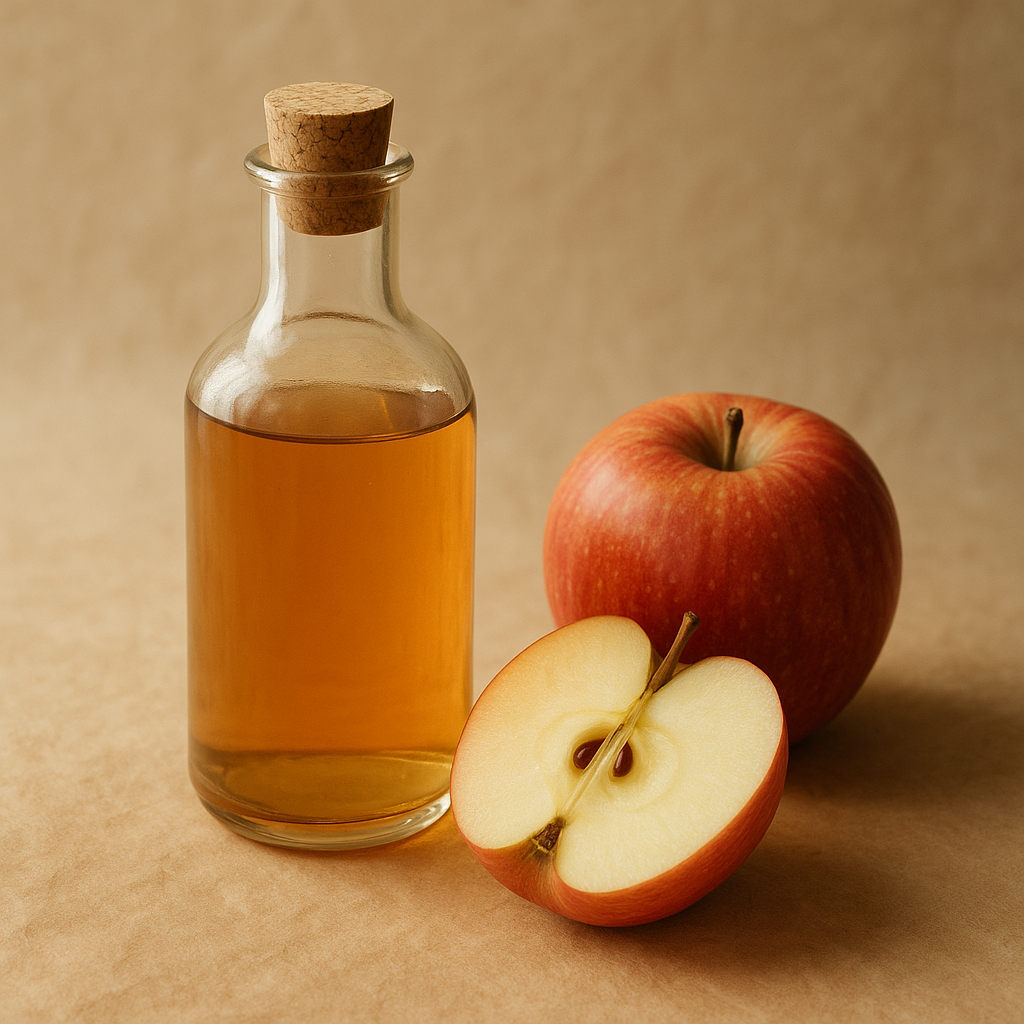
Apple cider vinegar is a type of vinegar made from fermented apple juice. It has a distinct tangy flavor and a characteristic amber color. This versatile ingredient is produced through a two-step fermentation process. First, yeast converts the apple sugars into alcohol. Then, bacteria convert the alcohol into acetic acid, which gives vinegar its sour taste and pungent aroma. It is a common pantry staple used in various culinary applications and beyond.
How people cook with it
Apple cider vinegar is a versatile ingredient that can be used in both sweet and savory dishes. It adds a bright, acidic note to many recipes.
- Salad dressings
- Marinades
- Pickling brines
- Sauces
In cooking, apple cider vinegar is frequently used to balance rich flavors or to tenderize meats. It can be a key component in homemade salad dressings, adding a zesty kick. It is also excellent for creating marinades, helping to break down proteins in meat and poultry. When pickling vegetables, its acidity helps preserve them while imparting a pleasant tang. It can also be reduced into glazes or used to deglaze pans, adding depth to pan sauces. Its bright flavor can cut through the richness of fatty dishes.
How it differs from similar foods
Compared to white distilled vinegar, apple cider vinegar has a fruitier, milder flavor profile. White vinegar is sharper and more purely acidic, often used for cleaning or in recipes where a neutral acidity is desired. Apple cider vinegar brings a subtle apple undertone and a warmer color.
Who it is for
Home cooks and professional chefs alike use apple cider vinegar for its unique flavor and culinary properties.
How to keep the rest
To maintain its quality, store unopened apple cider vinegar in a cool, dark place. Once opened, it can be kept at room temperature. Some people prefer to refrigerate it, especially if they want to preserve its potency for extended periods, though it is not strictly necessary.