
Grocery
Apple Cider Vinegar
What it is
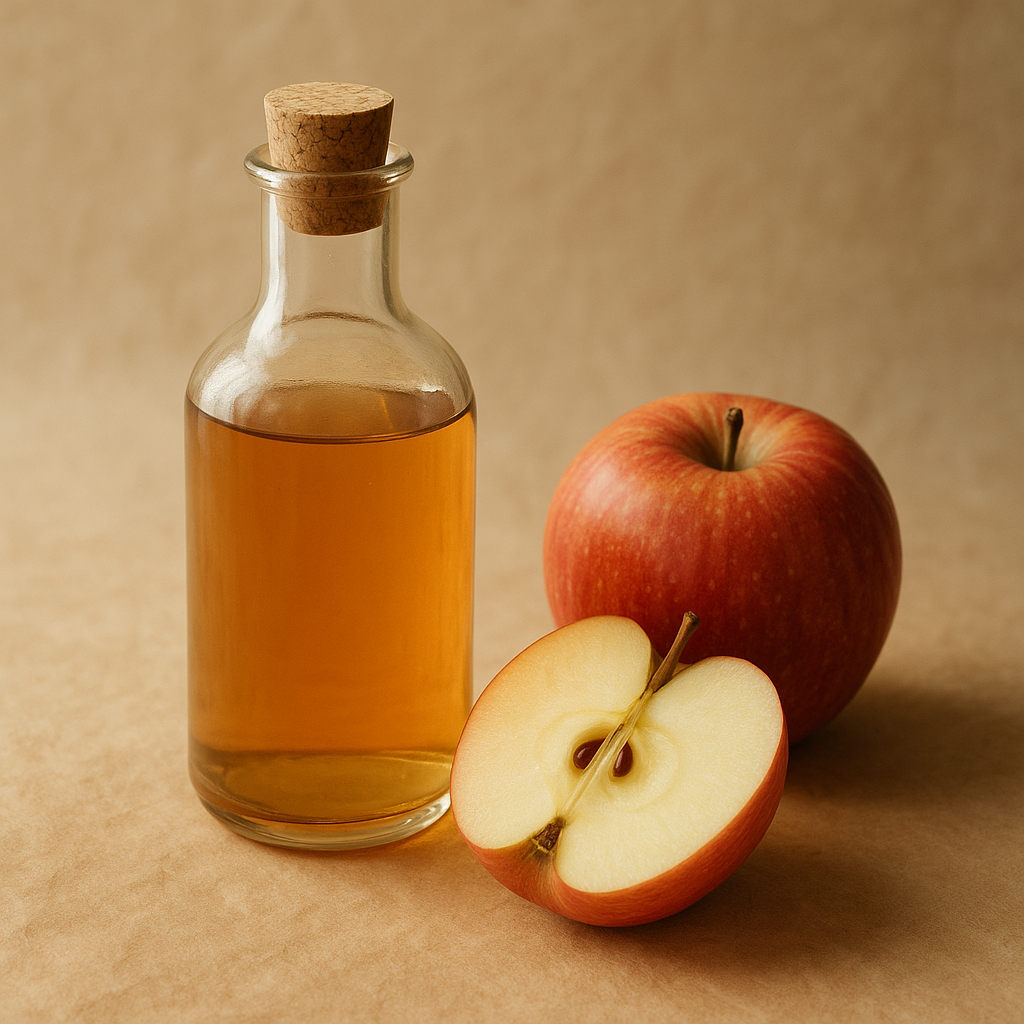
Apple cider vinegar is a type of vinegar made from fermented apple juice. The fermentation process converts the sugars in the apples into alcohol, and then further fermentation turns the alcohol into acetic acid. This acetic acid is what gives vinegar its characteristic sour taste and pungent aroma. It is often sold unfiltered and unpasteurized, which means it may contain a cloudy substance called the 'mother,' composed of bacteria and enzymes. This is considered a desirable quality by some users.
How people cook with it
This versatile ingredient is a staple in many kitchens, used for both cooking and preserving.
- Salad dressings
- Marinades
- Pickling vegetables
- Homemade sauces
Apple cider vinegar can be incorporated into a wide range of culinary applications. It adds a bright, tangy note to salad dressings, cutting through richness and balancing flavors. In marinades, its acidity helps to tenderize meats and poultry, allowing other seasonings to penetrate more deeply. It is also a key component in many pickling brines, contributing to the preservation and flavor of vegetables. Beyond these uses, it can be a foundational element in homemade ketchup, barbecue sauces, and other condiments, providing a depth of flavor that complements sweet and savory elements.
How it differs from similar foods
Compared to white distilled vinegar, apple cider vinegar has a fruitier, milder flavor profile. Its color is also a distinct amber hue, whereas white vinegar is clear. This difference in taste and color makes it suitable for applications where a less sharp, more nuanced acidity is desired.
Who it is for
Home cooks and chefs alike appreciate its unique flavor contributions.
How to keep the rest
To maintain its quality, store apple cider vinegar in a cool, dark place, such as a pantry. Once opened, it does not require refrigeration. Ensure the cap is tightly sealed to prevent evaporation and contamination. If the 'mother' forms, it is a natural occurrence and does not affect the vinegar's usability.