
Private selection
Private Selection Ciabatta Bread
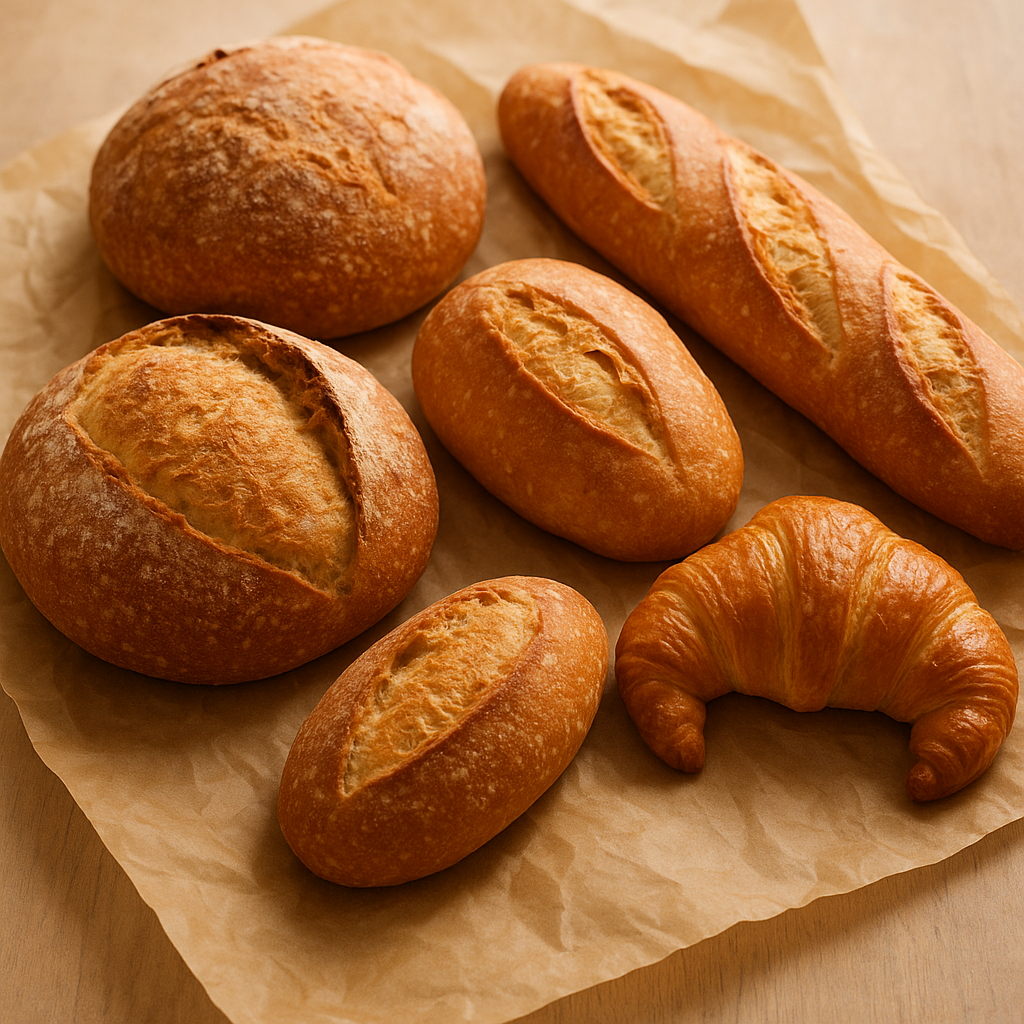
What it is
This is a rustic Italian-style bread known for its airy interior and crisp crust. Ciabatta is made with a high hydration dough, which contributes to its open crumb structure and chewy texture. The dough is typically leavened with yeast and often undergoes a long fermentation process, developing a distinct flavor profile. Its irregular shape, often resembling a slipper (ciabatta means slipper in Italian), is characteristic of its artisanal production.
How people cook with it
Ciabatta is a versatile bread that can be enjoyed in many ways, from simple sandwiches to elegant appetizers.
- Sandwich base
- Toasted for bruschetta
- Dipped in olive oil
- Served with soup
To best enjoy ciabatta, slice it horizontally for sandwiches or cut it into thick pieces for dipping. It can be lightly toasted or grilled to enhance its crispness. For appetizers, slice it thinly, brush with olive oil, and top with ingredients like tomatoes, basil, or cured meats. It also makes an excellent accompaniment to hearty stews and rich pasta dishes, soaking up flavorful sauces beautifully. Warm it slightly before serving for optimal texture and aroma.
How it differs from similar foods
Unlike a baguette, ciabatta has a much softer, more open crumb and a chewier texture. Its crust is often less uniformly crisp than a baguette's. Compared to a focaccia, ciabatta typically has a simpler flavor profile, without added herbs or oil baked into the dough, allowing its bread-like qualities to shine.
Who it is for
Home cooks and food enthusiasts who appreciate artisanal bread will find this a delightful addition to their meals.
How to keep the rest
To maintain freshness, store any leftover ciabatta in a paper bag at room temperature for a day or two. For longer storage, wrap it tightly in plastic wrap and freeze it. Thaw at room temperature or reheat briefly in the oven.