
First Street
First Street Large Eggs
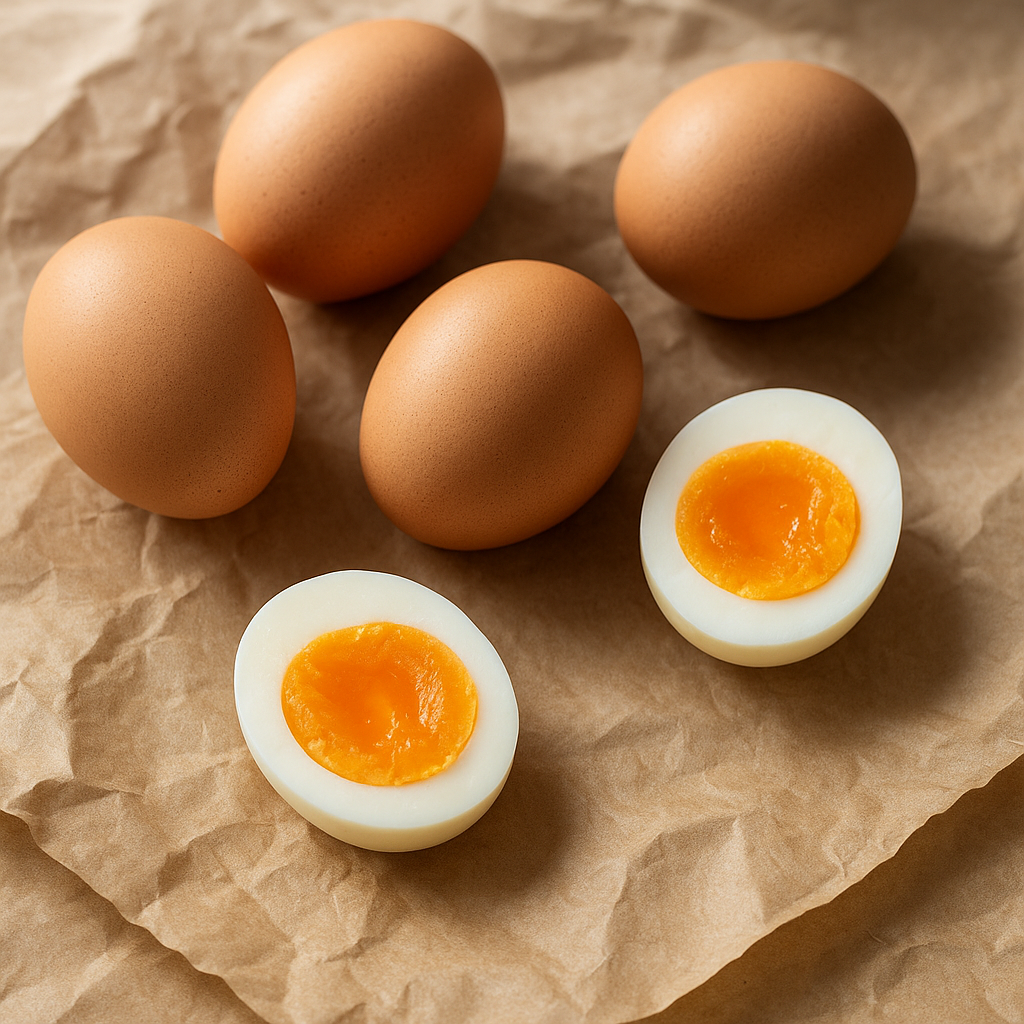
What it is
These are standard large chicken eggs, a common staple in kitchens worldwide. They are oval-shaped and come in a protective shell, typically white or brown depending on the breed of hen. Inside the shell are the albumen (egg white) and the yolk, both of which are edible and versatile ingredients. They are a fundamental component in many culinary preparations, valued for their binding, leavening, and enriching properties.
How people cook with it
Eggs are incredibly versatile and can be prepared in countless ways or incorporated into a wide range of dishes.
- Scrambled for breakfast
- Baked into cakes
- Fried for sandwiches
- Hard-boiled for snacks
Eggs can be cooked using various methods. They can be gently whisked and cooked in a pan to create fluffy scrambled eggs, or cracked directly into hot oil for frying. For baking, eggs are often beaten with sugar to incorporate air, which helps baked goods rise. They can also be hard-boiled by simmering them in water until the yolk and white are firm, making them convenient for meal prep or as a simple snack. Their ability to emulsify also makes them essential for sauces and dressings.
How it differs from similar foods
Large eggs are the standard size used in most recipes, offering a consistent amount of yolk and white. Smaller eggs might require adjustments in quantity for certain recipes, while extra-large eggs could make batters slightly wetter. The color of the shell does not affect the egg's flavor or cooking properties.
Who it is for
Home cooks and professional chefs alike rely on large eggs for everyday cooking and baking.
How to keep the rest
To maintain freshness, store uncooked eggs in their original carton in the refrigerator. Keep them on a main shelf rather than the door, as the temperature is more consistent there. This helps prevent them from absorbing odors and reduces the risk of cracking. Use them within the recommended timeframe for best quality.