
First Street
First Street Large Eggs
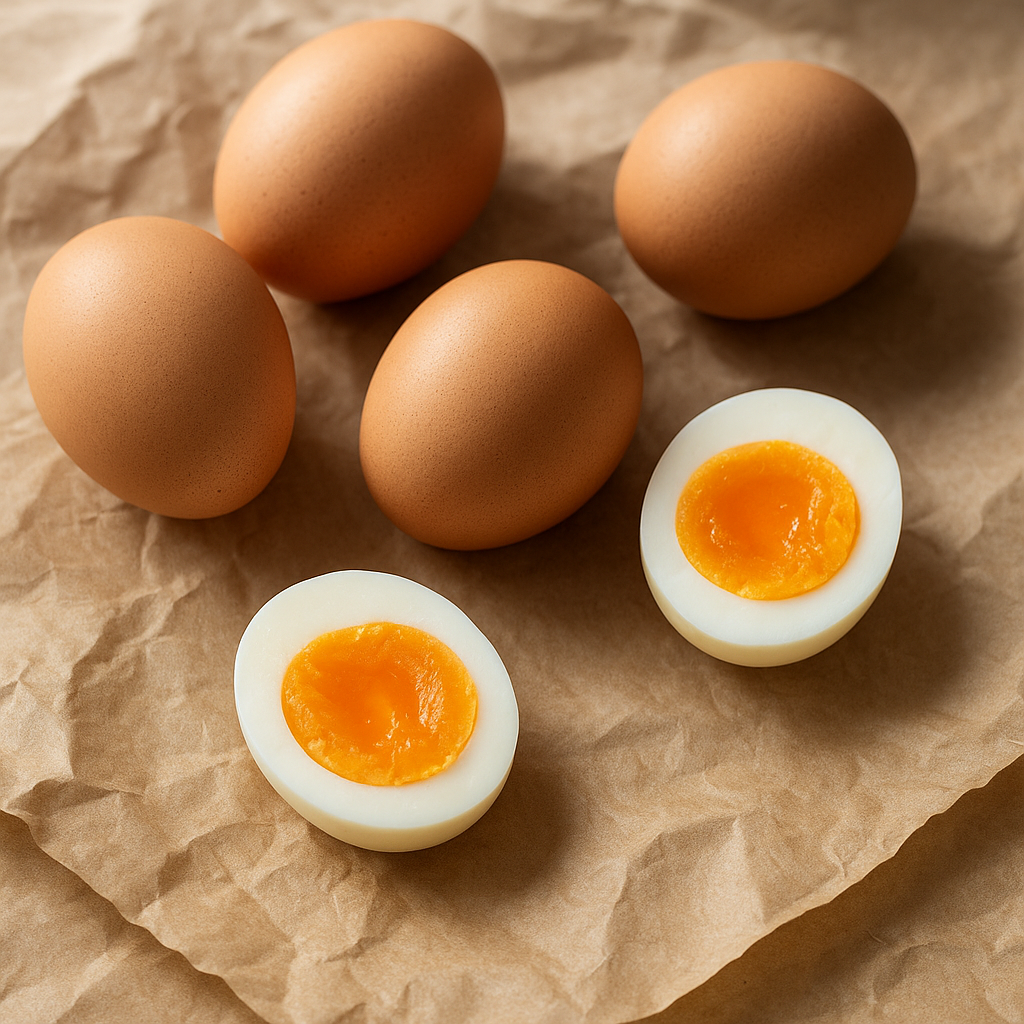
What it is
These are large chicken eggs, a common staple in many kitchens. They come from hens and are typically sold in cartons. The shell protects the inside, which consists of the yolk and the white. Both parts are edible and have distinct textures and flavors when cooked. Eggs are a versatile ingredient used in countless culinary applications, from simple breakfasts to complex baked goods.
How people cook with it
Eggs are fundamental to both sweet and savory cooking. They can be the star of a dish or a crucial binder and leavening agent.
- Breakfast scrambles
- Baking cakes
- Sauce emulsification
- Custard preparation
Eggs can be cooked in many ways. They can be fried, scrambled, poached, or boiled. For baking, they are often beaten and incorporated into batters and doughs to add richness and structure. Understanding how to handle them, like not overcooking, is key to achieving desired results in various recipes.
How it differs from similar foods
Large eggs are the standard size used in most recipes. They differ from extra-large or jumbo eggs in their weight and volume, which can affect the balance of ingredients in delicate baking. Smaller eggs might require adjustments in quantity for consistent results.
Who it is for
Home cooks and professional chefs rely on eggs for their adaptability and accessibility.
How to keep the rest
To keep the rest of the eggs fresh, store them in their original carton in the refrigerator. The carton helps protect them from damage and prevents them from absorbing odors from other foods. It is best to store them on an interior shelf rather than the door, where temperatures can fluctuate.