
Grocery
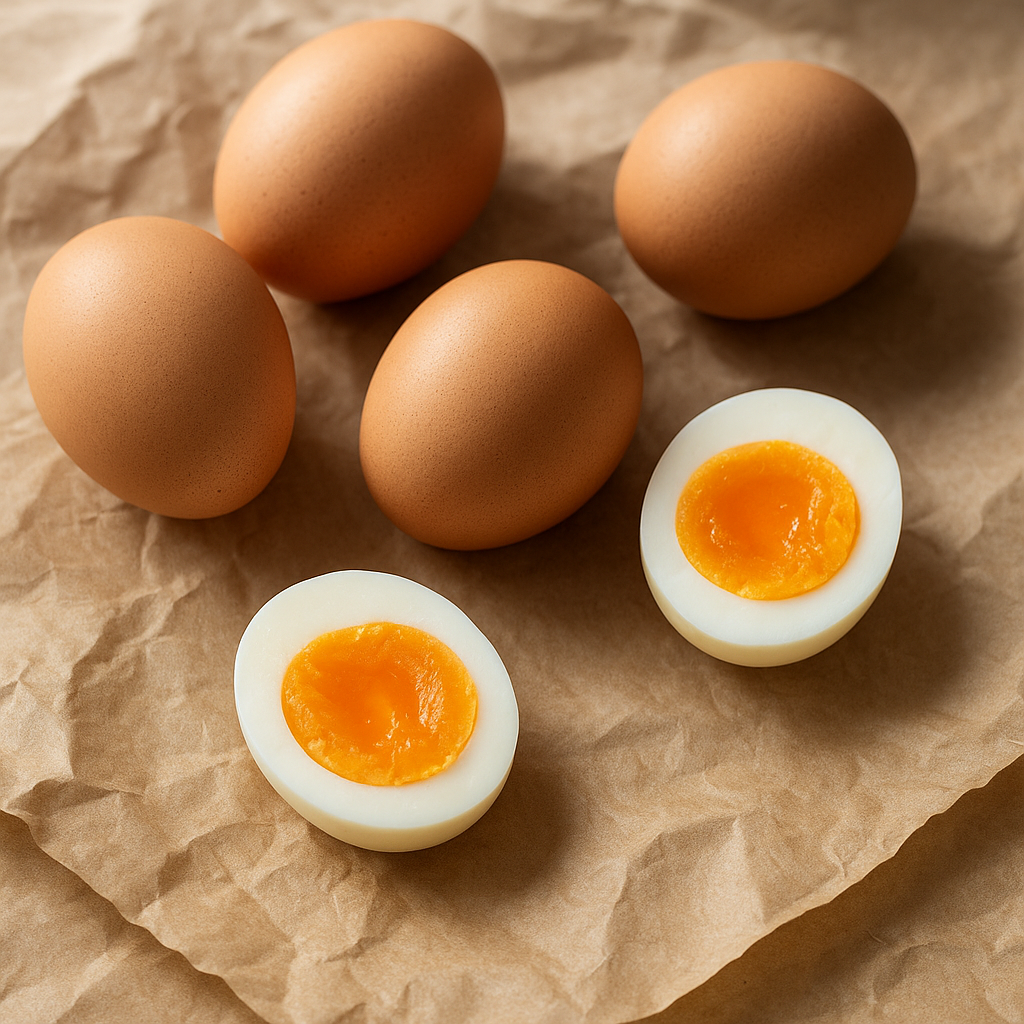
Farm Fresh Large Brown Eggs
What it is
These are standard large brown chicken eggs, a versatile staple in kitchens worldwide. The brown shell is simply a result of the breed of hen that laid the egg. Inside, the egg is essentially the same as a white-shelled egg, with a yolk and albumen.
How people cook with it
Eggs are a foundational ingredient for countless dishes, both sweet and savory. Their unique properties allow them to bind, leaven, emulsify, and add richness.
- Breakfast scrambles and omelets
- Baking cakes and cookies
- Binding meatballs
- Creating custards
Eggs can be prepared in numerous ways. They can be fried, boiled, poached, or scrambled for a quick meal. For baking, they are often beaten and incorporated into batters to provide structure and moisture. In sauces and custards, they are gently heated to thicken and enrich the mixture. Their ability to emulsify makes them crucial for mayonnaise and hollandaise.
How it differs from similar foods
The primary difference between brown and white eggs is the breed of the hen. Brown eggs come from hens with red or brown feathers, while white eggs come from white-feathered hens. Brown eggs may sometimes be perceived as fresher, but this is not a reliable indicator.
Who it is for
Home cooks and professional chefs alike rely on eggs for their culinary versatility.
How to keep the rest
To maintain freshness, store uncooked eggs in their original carton in the refrigerator. Keep them on a main shelf, not in the door, to ensure a consistent cold temperature. Properly stored, they can last for several weeks past their sell-by date.