
Grocery
Blue Cheese Crumbles
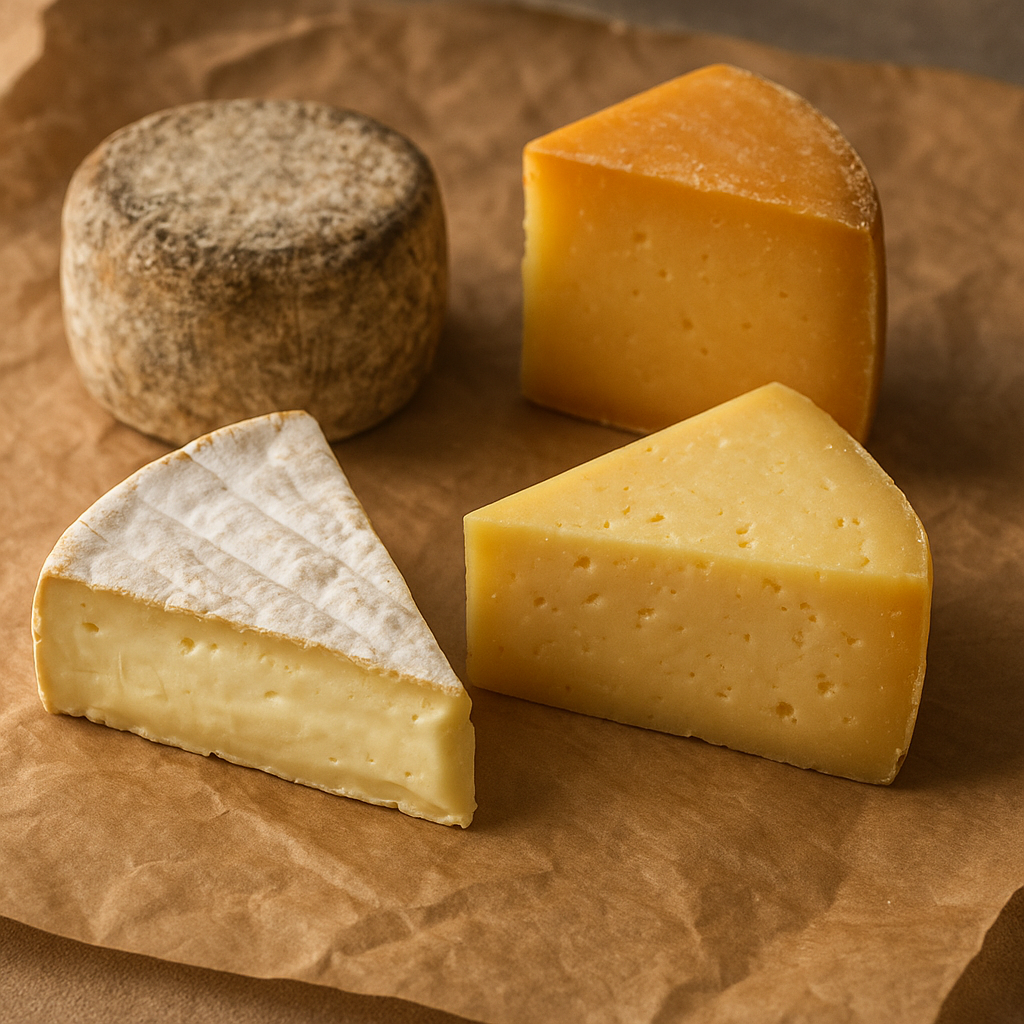
What it is
This is a type of cheese made from milk, typically cow's milk, that has been inoculated with the mold Penicillium roqueforti. The mold gives the cheese its characteristic blue or green veins and a distinctive, pungent aroma. It is often crumbly in texture and can range in intensity from mild to very sharp. The aging process develops its complex flavor profile.
How people cook with it
Blue cheese is a versatile ingredient that can elevate many dishes. Its bold flavor makes it a popular choice for both cooking and garnishing.
- Crumbled over salads
- Melted into sauces
- Added to dips
- Paired with fruit
Blue cheese can be used in a variety of ways. It is excellent crumbled over green salads, especially those with pears or walnuts. It can also be melted into creamy sauces for pasta or steak, adding a rich, tangy depth. For appetizers, it makes a flavorful addition to dips or can be served alongside crackers and fruit. Its strong taste means a little goes a long way, so it's often used as a finishing element to enhance other flavors.
How it differs from similar foods
Compared to other cheeses, blue cheese stands out due to the presence of specific molds that create its unique veining and sharp, tangy taste. This distinct flavor profile sets it apart from milder cheeses like cheddar or mozzarella, and even from other semi-soft cheeses. Its crumbly texture is also a notable characteristic.
Who it is for
Home cooks and professional chefs alike use blue cheese to add a sophisticated and bold flavor to their creations.
How to keep the rest
To keep leftover blue cheese fresh, wrap it tightly in plastic wrap or parchment paper. Store it in the coldest part of your refrigerator, usually the bottom shelf. Proper storage helps maintain its texture and prevents it from drying out or absorbing other odors.