
Grocery
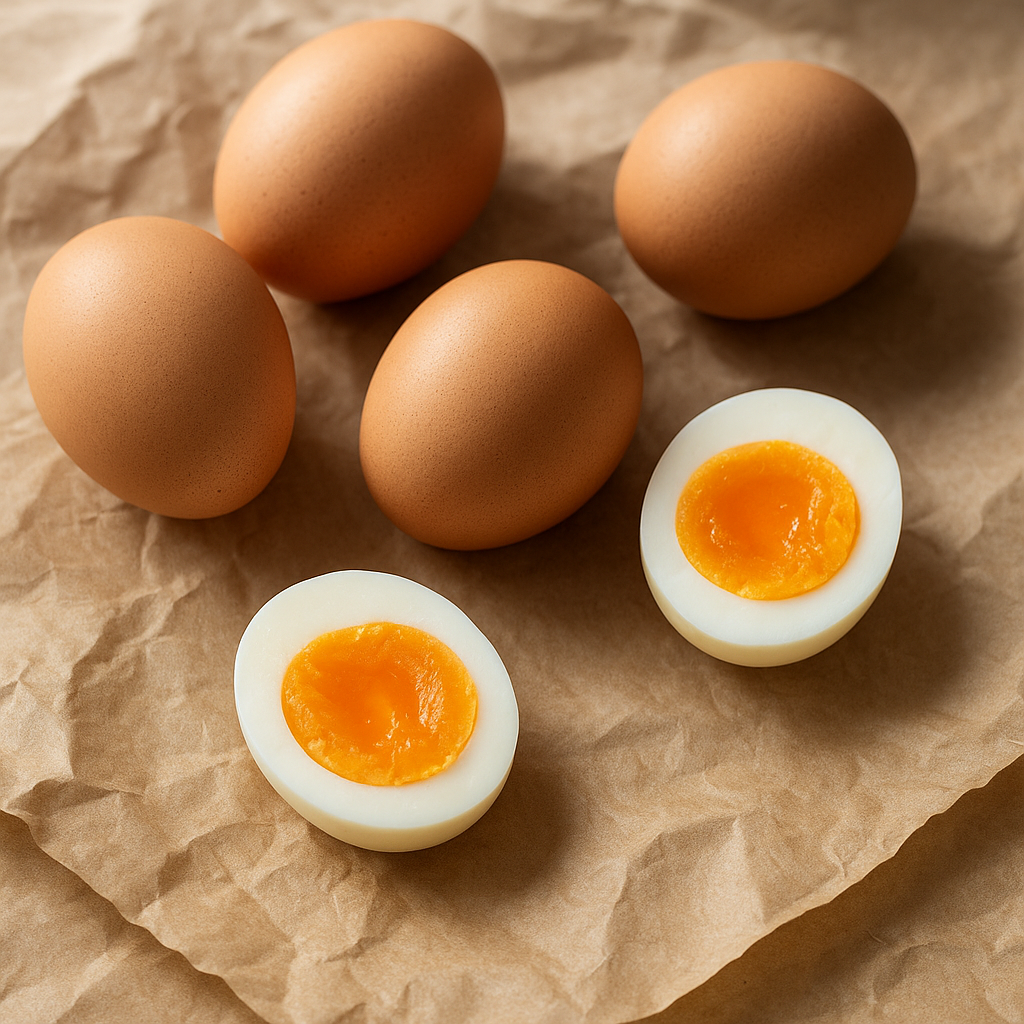
Farm Fresh Large Brown Eggs
What it is
These are large brown eggs, laid by hens. They are a common food item, known for their versatility in the kitchen. The brown shell is a result of the breed of hen that laid the egg. Inside, the egg consists of a yolk and albumen, both edible and useful in cooking and baking. They are a staple ingredient in many households for breakfast and beyond.
How people cook with it
Eggs are a fundamental ingredient in countless culinary creations. They can be enjoyed on their own or incorporated into more complex dishes.
- Scrambled for breakfast
- Baked into cakes
- Fried for a side dish
- Used as a binder in meatballs
Eggs can be prepared in numerous ways. They can be scrambled, fried, poached, or boiled. For baking, they contribute structure and richness to cakes, cookies, and breads. When whisked, they can create meringues or help emulsify sauces like mayonnaise. Their ability to coagulate when heated makes them essential for binding ingredients together in dishes like meatloaf or quiches. They are also a key component in custards and soufflés, providing a delicate texture.
How it differs from similar foods
Brown eggs differ from white eggs primarily in the breed of hen that lays them. The shell color does not impact flavor or cooking performance. Brown eggs may sometimes be perceived as being more natural due to their color.
Who it is for
Home cooks and professional chefs alike rely on eggs for their everyday cooking and baking needs.
How to keep the rest
To maintain freshness, store uncooked eggs in their original carton in the refrigerator. Keep them on a main shelf rather than the door to ensure a consistent, cold temperature. Use them within a few weeks of purchase for best quality.