
Grocery
Vegetable Oil Margarine
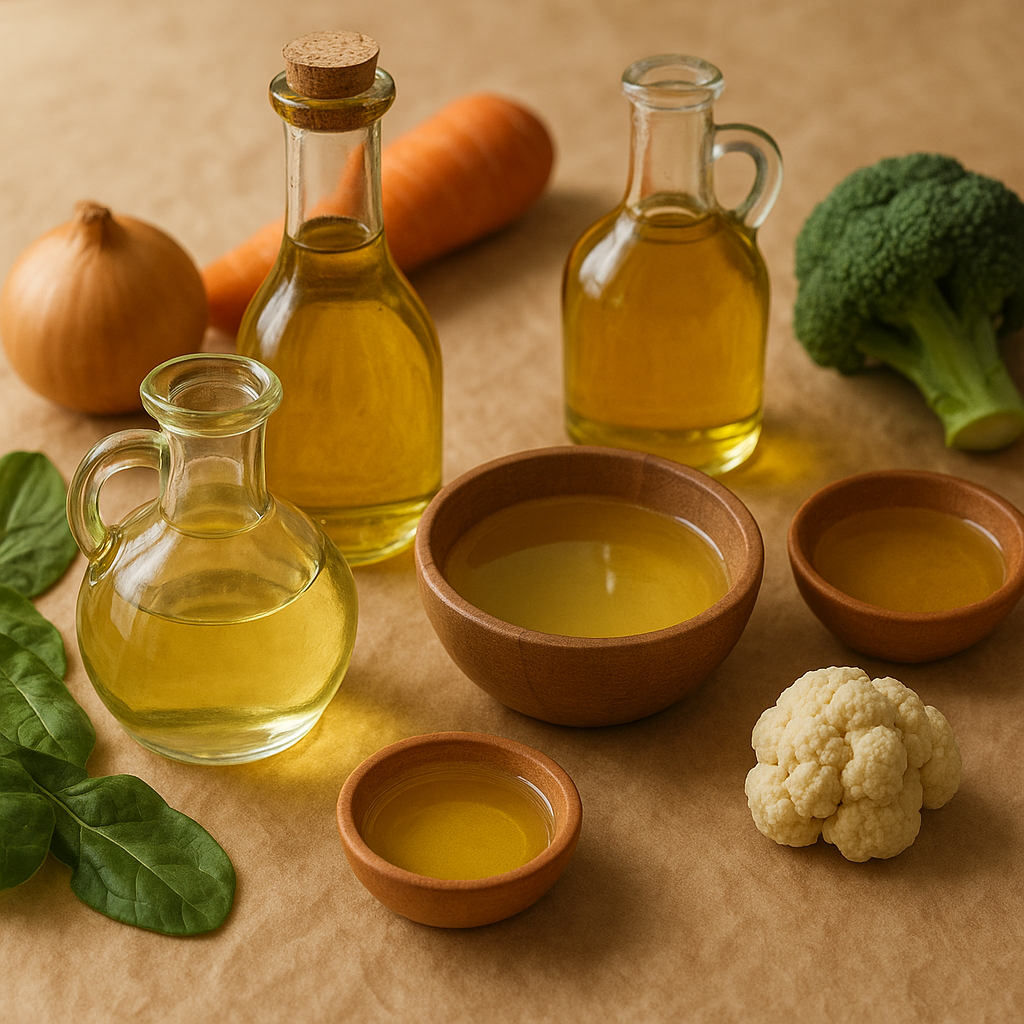
What it is
This is a spread made primarily from vegetable oils. It is formulated to have a texture and consistency similar to butter, making it a versatile ingredient in many kitchens. It is typically sold in a tub or a stick form, depending on its intended use. The 80% vegetable oil content indicates the proportion of fat in the product, which influences its performance in cooking and baking.
How people cook with it
Margarine is a staple in many households for both spreading and cooking. Its properties make it suitable for a wide range of culinary applications.
- Spreading on toast
- Baking cakes and cookies
- Sautéing vegetables
- Making sauces
When baking, margarine can often be used interchangeably with butter, though the results may vary slightly in terms of flavor and texture. For spreading, it offers a softer alternative to butter straight from the refrigerator. In cooking, it can be melted to add richness to dishes or used to prevent sticking in pans. The 80% vegetable oil composition means it melts and browns differently than some other fats, which can be a consideration for specific recipes.
How it differs from similar foods
Compared to butter, this margarine is made from vegetable oils rather than dairy fat. This difference in origin can affect its flavor profile and how it behaves when heated or chilled. Margarine often has a higher water content than butter, which can influence the moisture in baked goods.
Who it is for
Home cooks and bakers often choose this margarine for its accessibility and performance in everyday cooking.
How to keep the rest
To maintain its quality, store unopened margarine in a cool, dry place. Once opened, keep it refrigerated to prevent spoilage and maintain its texture. Ensure the container is tightly sealed to prevent it from absorbing odors from other foods in the refrigerator.