
Grocery
Apple Cider Vinegar
What it is
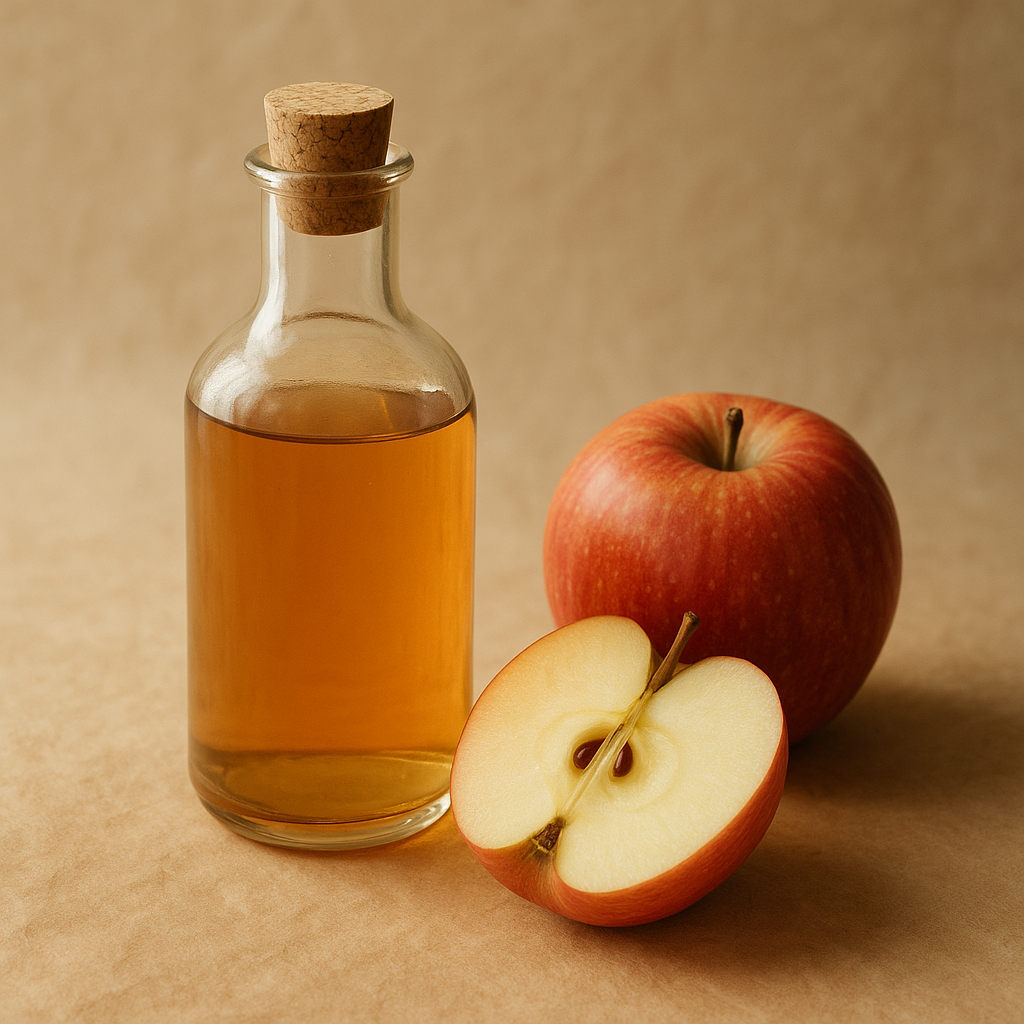
Apple cider vinegar is a type of vinegar made from fermented apple juice. The fermentation process converts the sugars in the apples into alcohol, and then into acetic acid, which gives vinegar its characteristic sour taste and pungent aroma. It is often sold unfiltered and unpasteurized, which may result in a cloudy appearance due to the presence of "the mother," a colony of beneficial bacteria and enzymes. This vinegar is a versatile ingredient used in various culinary applications and household tasks.
How people cook with it
This vinegar is a staple in many kitchens, valued for its sharp flavor and its ability to tenderize and preserve foods.
- Marinades for meats
- Salad dressings
- Pickling vegetables
- Cleaning solutions
Apple cider vinegar can be used in a multitude of ways. In cooking, it adds a bright, acidic note to dishes. It is a common component in homemade salad dressings, where its tanginess balances the richness of oil. It also works well in marinades, helping to break down proteins in meat and poultry, making them more tender. Beyond the kitchen, its acidic properties make it useful for household cleaning, from descaling coffee makers to polishing surfaces. It can also be used in DIY beauty treatments and for preserving foods through pickling.
How it differs from similar foods
Compared to white distilled vinegar, apple cider vinegar has a fruitier aroma and a less harsh, more complex flavor profile. Its color also varies, ranging from pale yellow to a deeper amber, depending on the apples used and whether it is filtered. The presence of the mother in raw versions distinguishes it from highly processed vinegars.
Who it is for
Home cooks and bakers often reach for apple cider vinegar to add depth and acidity to their creations.
How to keep the rest
To maintain its quality, store apple cider vinegar in a cool, dark place, away from direct sunlight. Ensure the cap is tightly sealed after each use. Refrigeration is not typically necessary for unopened bottles, but it can help preserve its flavor and potency over extended periods, especially for unfiltered varieties.