
Central market
Central Market Heirloom Eggs
What it is
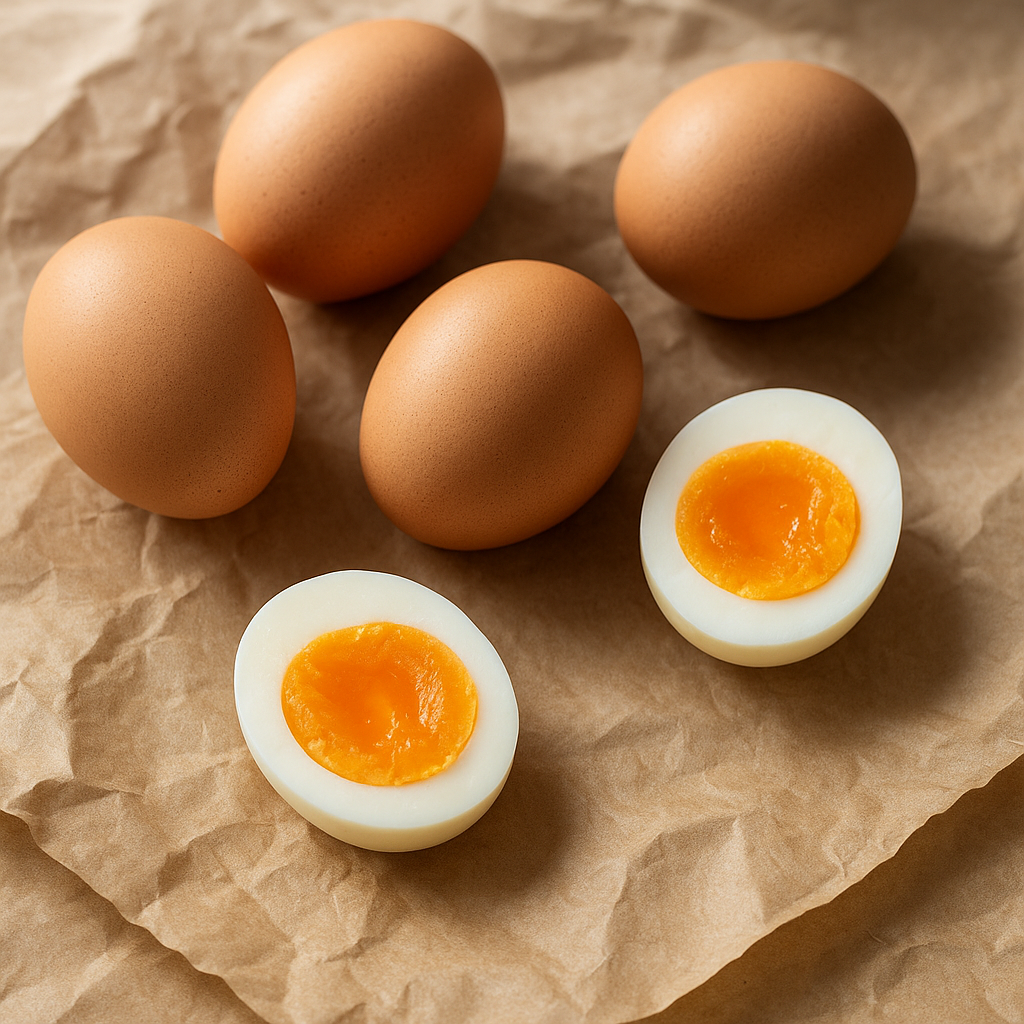
These are eggs from heritage chicken breeds, often raised on pasture. They come in a variety of shell colors, including blue, green, and brown, depending on the breed. The yolks are typically a deeper yellow or orange than those of standard white eggs. This difference in yolk color is often attributed to the hens' diet, which may include more varied greens and insects when foraging outdoors. The eggs are handled with care to maintain their quality.
How people cook with it
Heirloom eggs can be used in any recipe that calls for standard eggs. Their unique qualities can add a special touch to your cooking.
- Scrambled eggs for breakfast
- Baking cakes and cookies
- Making custards and quiches
- As a binder in meatballs
When cooking, heirloom eggs behave much like regular eggs. They can be fried, boiled, poached, or whisked into batters and mixtures. For dishes where the egg yolk color is visible, such as custards or sunny-side-up eggs, the richer hue can be a pleasing visual element. Their flavor is generally considered to be robust and satisfying, making them a good choice for simple preparations where the egg is the star. They are versatile in both sweet and savory applications.
How it differs from similar foods
Heirloom eggs differ from conventional eggs primarily in the breed of chicken and often in their raising practices. This can lead to variations in yolk color and a perceived richer flavor. The shell colors are also a notable distinction, offering a visual variety not found in standard white or brown eggs.
Who it is for
Home cooks who appreciate the visual appeal and potential flavor nuances of eggs from heritage breeds.
How to keep the rest
To store leftover heirloom eggs, keep them in their original carton in the refrigerator. This helps protect them from damage and prevents them from absorbing odors from other foods. Ensure they are kept at a consistent, cold temperature for optimal freshness.