
Grocery
Apple Cider Vinegar
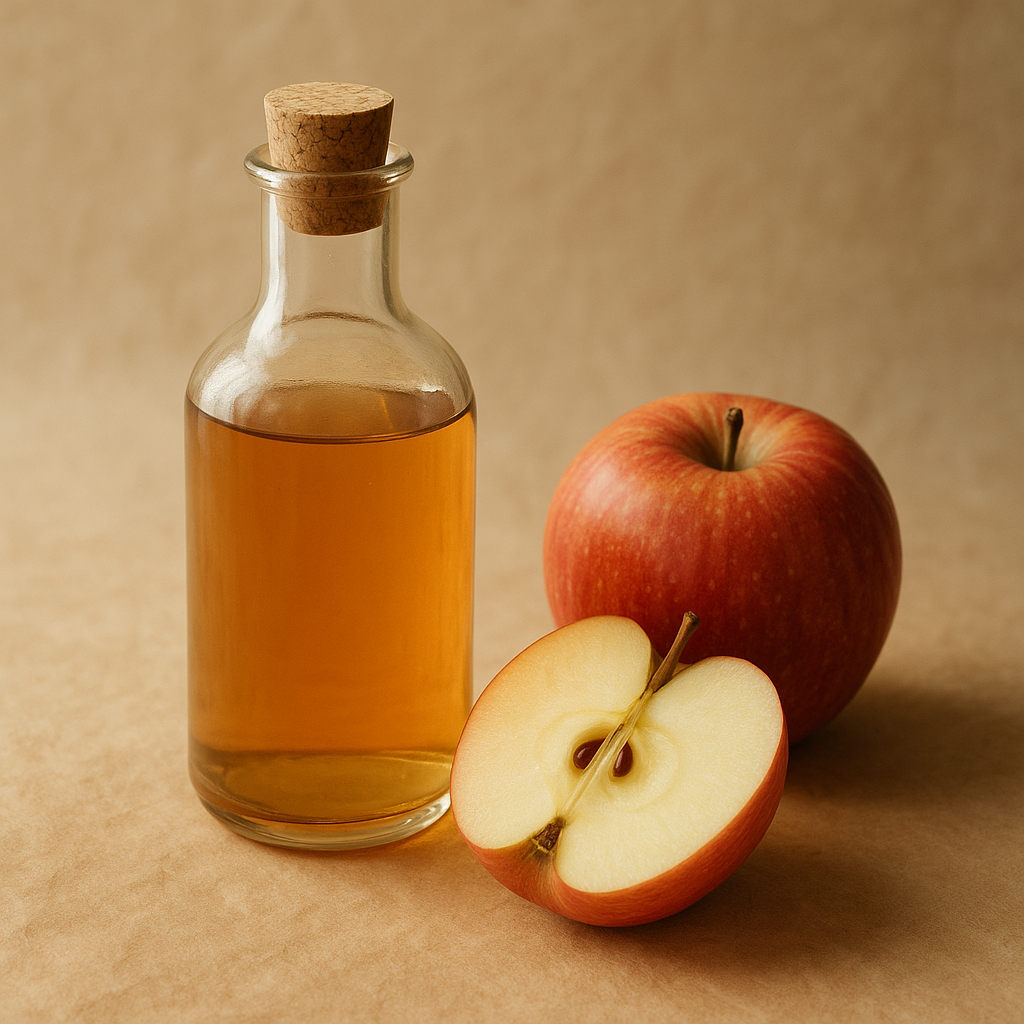
What it is
Apple cider vinegar is a type of vinegar made from fermented apple juice. The fermentation process converts the sugars in the apples into alcohol, and then further fermentation turns the alcohol into acetic acid. This acetic acid is what gives vinegar its characteristic sour taste and pungent aroma. It is often sold unfiltered and unpasteurized, which may result in a cloudy appearance due to the presence of "the mother," a colony of beneficial bacteria and enzymes. This ingredient is a staple in many kitchens for its versatility.
How people cook with it
Apple cider vinegar can be used in a variety of culinary applications, from dressings to marinades.
- Salad dressings
- Marinades for meats
- Pickling vegetables
- Sauces and glazes
In cooking, apple cider vinegar adds a bright, tangy flavor that can balance sweetness and richness. It is commonly used as a base for vinaigrettes, where its acidity cuts through the oil and complements herbs and spices. It can also tenderize meats when used in marinades, as the acid breaks down proteins. For pickling, it provides a sharp taste and helps preserve the vegetables. A splash can also be added to sauces and glazes to deepen their flavor profile. It is also used in baking for leavening when combined with baking soda.
How it differs from similar foods
Compared to white distilled vinegar, apple cider vinegar has a fruitier, milder flavor profile. White vinegar is more neutral and sharp, making it ideal for cleaning or when a strong acidic punch is needed without added flavor. Apple cider vinegar brings a subtle apple note and a less aggressive tang.
Who it is for
Home cooks and chefs use apple cider vinegar to add complexity and brightness to their dishes.
How to keep the rest
To maintain its quality, store apple cider vinegar in a cool, dark place, such as a pantry. Keep the bottle tightly sealed to prevent evaporation and contamination. Refrigeration is not strictly necessary but can help preserve its potency and prevent further fermentation, especially if the bottle has been opened. Ensure the cap is secure after each use.