
H-E-B
H-E-B Olive Oil
What it is
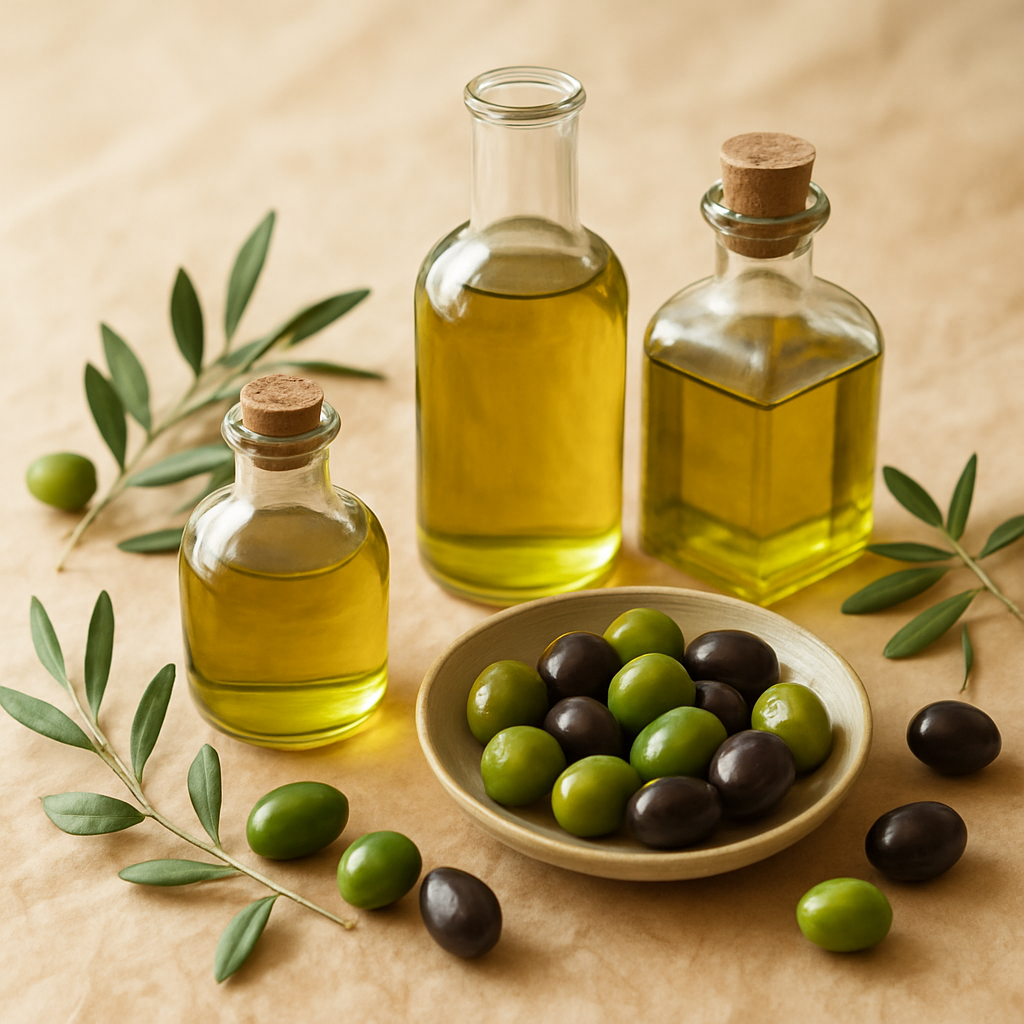
This is a bottle of olive oil, a liquid fat obtained from olives, the fruit of the olive tree. It is commonly used in cooking, for frying foods, sautéing vegetables, and as a dressing for salads. Olive oil can range in flavor from mild to robust, depending on the type and processing. It is a staple in many kitchens for its versatility and distinct taste.
How people cook with it
Olive oil is a fundamental ingredient in many culinary traditions. It adds richness and flavor to a wide variety of dishes, both hot and cold.
- Dressing for salads
- Sautéing vegetables
- Roasting meats
- Dipping bread
When cooking, olive oil can be used for pan-frying, stir-frying, and roasting. Its smoke point varies, so it is important to consider the type of olive oil and the cooking temperature. For dressings and finishing dishes, it is often used raw to impart its full flavor. It can also be used to moisten baked goods or to create marinades for meats and vegetables. A drizzle over finished pasta or grilled fish adds a final touch of richness.
How it differs from similar foods
Olive oil differs from other cooking oils in its flavor profile and origin. Unlike neutral oils, it contributes a distinct fruity or peppery note. Extra virgin olive oil, for instance, is less refined and retains more of the olive's natural characteristics compared to regular or light olive oils.
Who it is for
Home cooks and professional chefs alike rely on olive oil for its flavor and cooking properties.
How to keep the rest
To maintain its quality, store olive oil in a cool, dark place, away from direct sunlight and heat. Keep the bottle tightly sealed to prevent oxidation. Properly stored, it can retain its flavor for an extended period.