
H-E-B
H-E-B Extra Large White Eggs
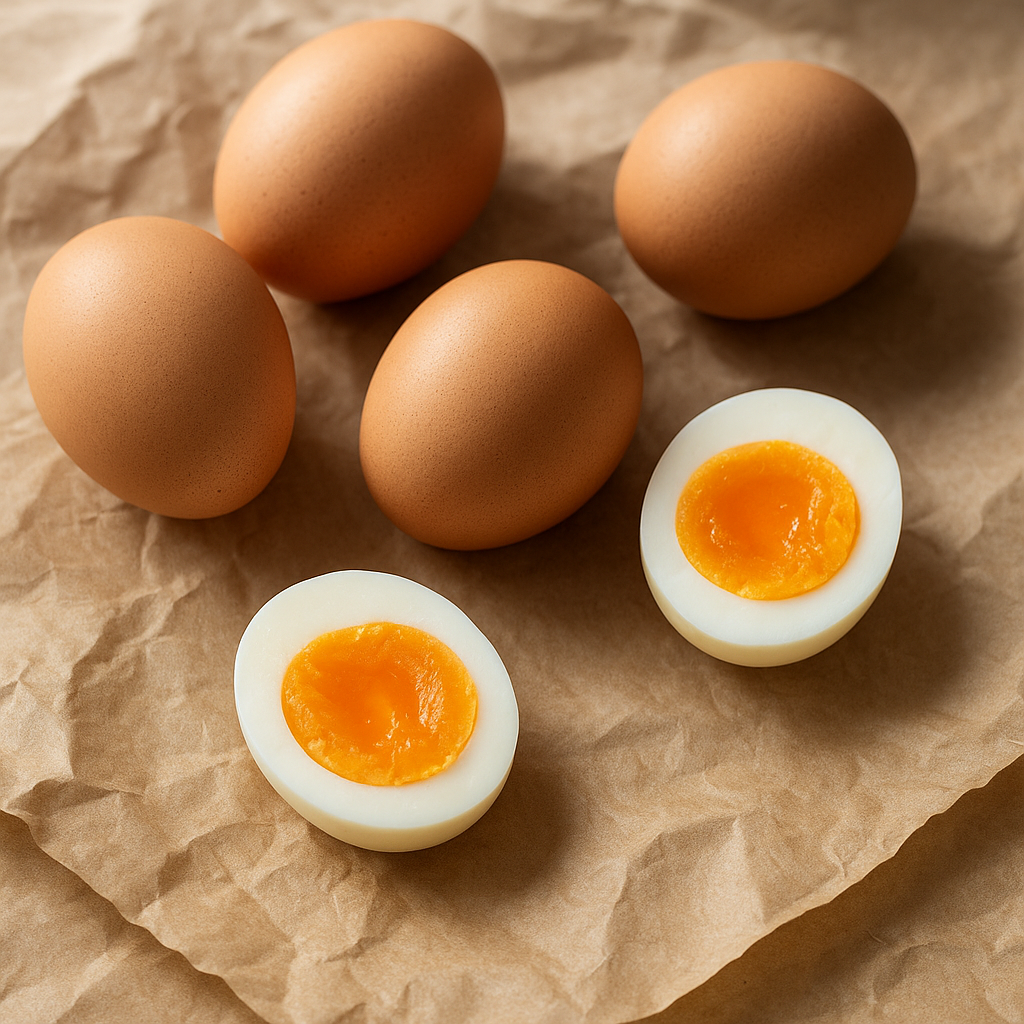
What it is
They come from hens and are known for their smooth, white shells. The larger size means you get more egg white and yolk per shell, which can be beneficial when following recipes that call for a specific number of eggs. They are a fundamental ingredient for countless dishes, from breakfast to baking.
How people cook with it
Eggs are incredibly adaptable and can be prepared in numerous ways, making them a go-to for quick meals and elaborate recipes alike.
- Scrambled for breakfast
- Baked into cakes
- Fried for sandwiches
- Hard-boiled for snacks
Eggs can be cooked using various methods. For a simple breakfast, crack them into a hot, oiled pan and scramble or fry until your desired doneness. In baking, eggs act as a binder, leavening agent, and enricher, contributing to the texture and structure of cakes, cookies, and breads. They can also be whisked into sauces or custards. Their ability to emulsify also makes them essential for mayonnaise and hollandaise.
How it differs from similar foods
These are extra-large eggs, which are larger than large or medium eggs. This size difference is important for consistent results in baking, where precise measurements are key. White eggs are typically from breeds of hens that lay white-shelled eggs, and their internal quality is generally the same as brown eggs.
Who it is for
Home cooks and bakers who need a reliable and versatile ingredient for everyday meals and special occasions.
How to keep the rest
To maintain freshness, store these eggs in their original carton in the refrigerator. Keeping them in the carton helps protect them from absorbing odors and prevents them from cracking. Ensure they are kept at a consistent cold temperature for optimal quality. Do not store them on the refrigerator door, as temperature fluctuations can affect their shelf life.