
Grocery
Cereal Grains
What it is
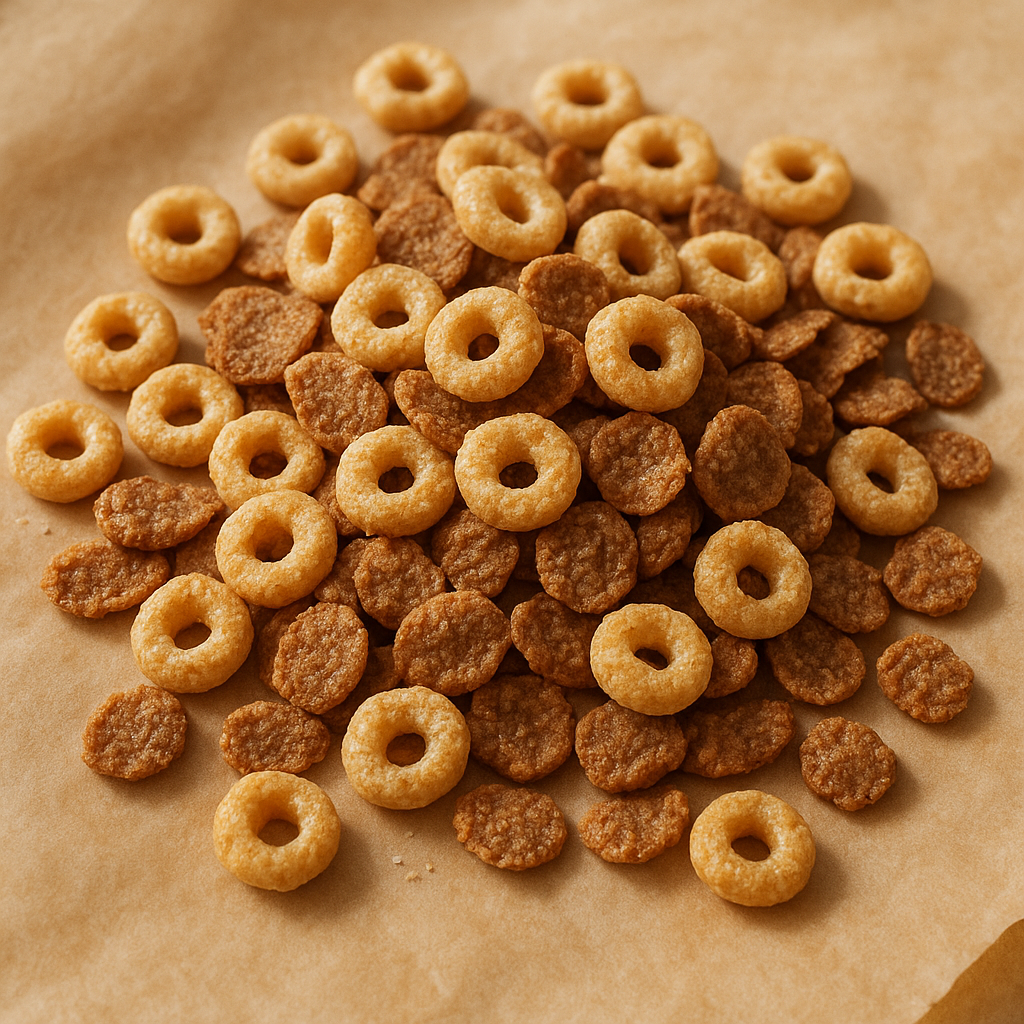
These are whole grains that have been processed for easier consumption. They are typically made from wheat, oats, corn, or rice, and can be found in various forms like flakes, puffs, or shredded pieces. The processing often involves cooking, rolling, or extruding the grains to create a lighter texture and quicker cooking time. They are a common breakfast food enjoyed by many.
How people cook with it
Cereal grains are a versatile pantry staple. They can be enjoyed in many ways, from simple breakfasts to more complex dishes.
- Breakfast bowls
- Baking ingredients
- Savory side dishes
- Snack bases
Cereal grains can be prepared in numerous ways. Many are designed to be eaten cold with milk or yogurt, offering a quick and easy breakfast option. Others can be cooked with water or milk to create a warm porridge or hot cereal. Some varieties can also be incorporated into baked goods like muffins and breads, or used as a crunchy coating for fried foods. Their neutral flavor profile makes them adaptable to both sweet and savory applications, allowing for creative culinary exploration.
How it differs from similar foods
Compared to whole, unprocessed grains, these cereal grains have undergone significant processing. This often results in a lighter texture and a shorter preparation time. While whole grains retain more of their natural structure and may require longer cooking, processed cereals are designed for convenience and quicker consumption.
Who it is for
People looking for a convenient and quick meal or snack option often choose these cereal grains.
How to keep the rest
To maintain freshness, store any remaining cereal grains in their original packaging or an airtight container. Keep them in a cool, dry place away from direct sunlight and moisture. Proper storage will help prevent them from becoming stale or absorbing unwanted odors from the kitchen.