
Grocery
Blue Cheese Wedge
What it is
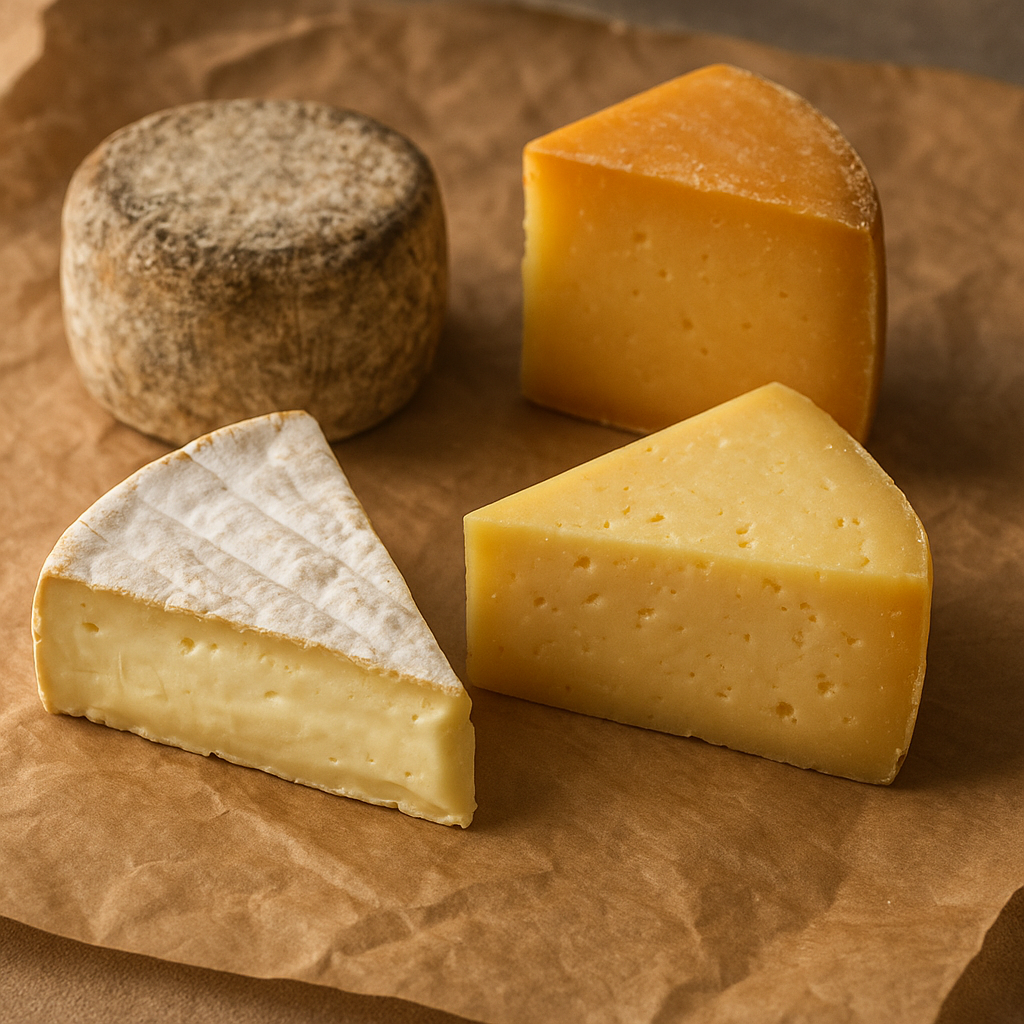
This is a type of cheese made from cow's milk, distinguished by the presence of edible blue or green mold cultures. These molds, typically Penicillium roqueforti or Penicillium glaucum, are intentionally introduced during the cheesemaking process. The cheese develops a distinctive sharp, tangy, and sometimes pungent flavor profile, along with a crumbly texture and characteristic blue veins. It is often aged for several months to allow the flavors to fully develop.
How people cook with it
Blue cheese offers a bold flavor that can elevate many dishes. It pairs well with both sweet and savory elements.
- Crumbled over salads
- Melted into sauces
- Spread on crackers
- Baked into pastries
Blue cheese can be enjoyed in numerous ways. Crumble it over a crisp green salad for a sharp counterpoint to fresh vegetables and a vinaigrette. It melts beautifully into creamy sauces for pasta or steak, adding a rich, complex flavor. For a simpler approach, spread it on crusty bread or crackers, perhaps with a drizzle of honey. It can also be incorporated into baked goods, such as savory tarts or muffins, to impart its unique taste.
How it differs from similar foods
Unlike milder cheeses, blue cheese is defined by its characteristic blue veining and robust, piquant flavor. Its texture is often more crumbly than that of smooth, firm cheeses. The presence of specific mold cultures is what sets it apart from other dairy products.
Who it is for
Home cooks seeking to add a sophisticated and intense flavor to their meals will appreciate blue cheese.
How to keep the rest
To maintain its quality, wrap any remaining blue cheese tightly in parchment paper or cheese paper, then place it in a plastic bag or airtight container. Store it in the coldest part of your refrigerator. It is best consumed within a few weeks of opening.