
Kühne
Kühne Apple Cider Vinegar
What it is
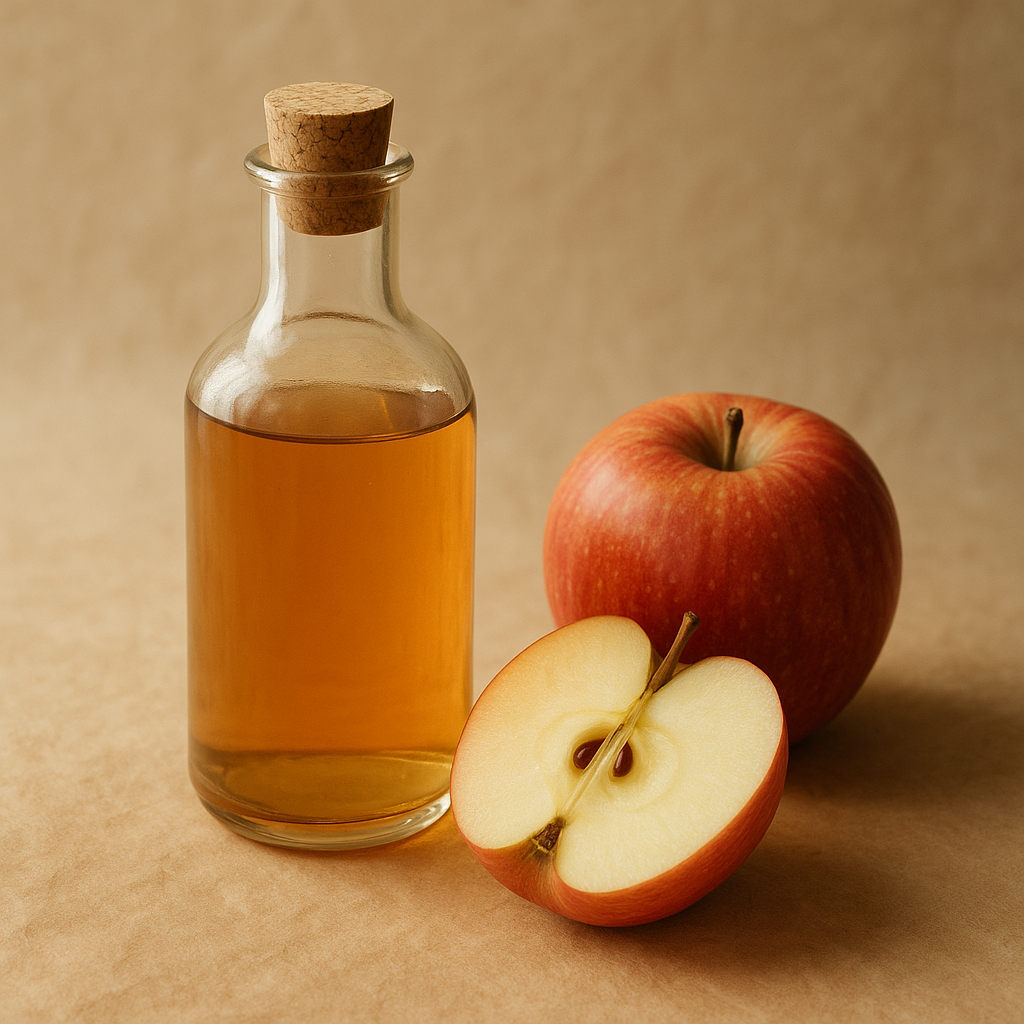
This is a fermented apple juice that has undergone a secondary fermentation to produce acetic acid. It is a versatile liquid condiment with a distinct tangy flavor and aroma. The vinegar is clear and amber in color, reflecting its natural origins. It is a staple in many kitchens for its culinary and household applications.
How people cook with it
Apple cider vinegar is used in a wide variety of culinary preparations. It adds a bright, acidic note to dishes and can be used in dressings, marinades, and sauces.
- Salad dressings
- Marinades
- Pickling brine
- Sauce bases
In cooking, apple cider vinegar is often diluted with water or other liquids to moderate its strong flavor. It can be incorporated into salad dressings, where its acidity balances the richness of oils and other ingredients. It is also a common component of marinades, helping to tenderize meats and add a zesty flavor. For pickling, it forms the base of brines, preserving vegetables and fruits. It can also be reduced to create glazes or added to sauces for a touch of sharpness.
How it differs from similar foods
Compared to white distilled vinegar, apple cider vinegar has a fruitier aroma and a milder, more complex flavor profile due to its apple base. Red wine vinegar, while also fruity, has a different kind of tang. This vinegar offers a distinct balance of sweet and sour notes.
Who it is for
Home cooks and professional chefs alike use apple cider vinegar for its unique flavor and versatility.
How to keep the rest
To maintain its quality, store the unopened bottle in a cool, dark place. Once opened, it can be kept at room temperature. Refrigeration is not typically necessary, but it can help preserve the flavor for longer periods. Ensure the cap is tightly sealed after each use.