
Grocery
Apple Cider Vinegar
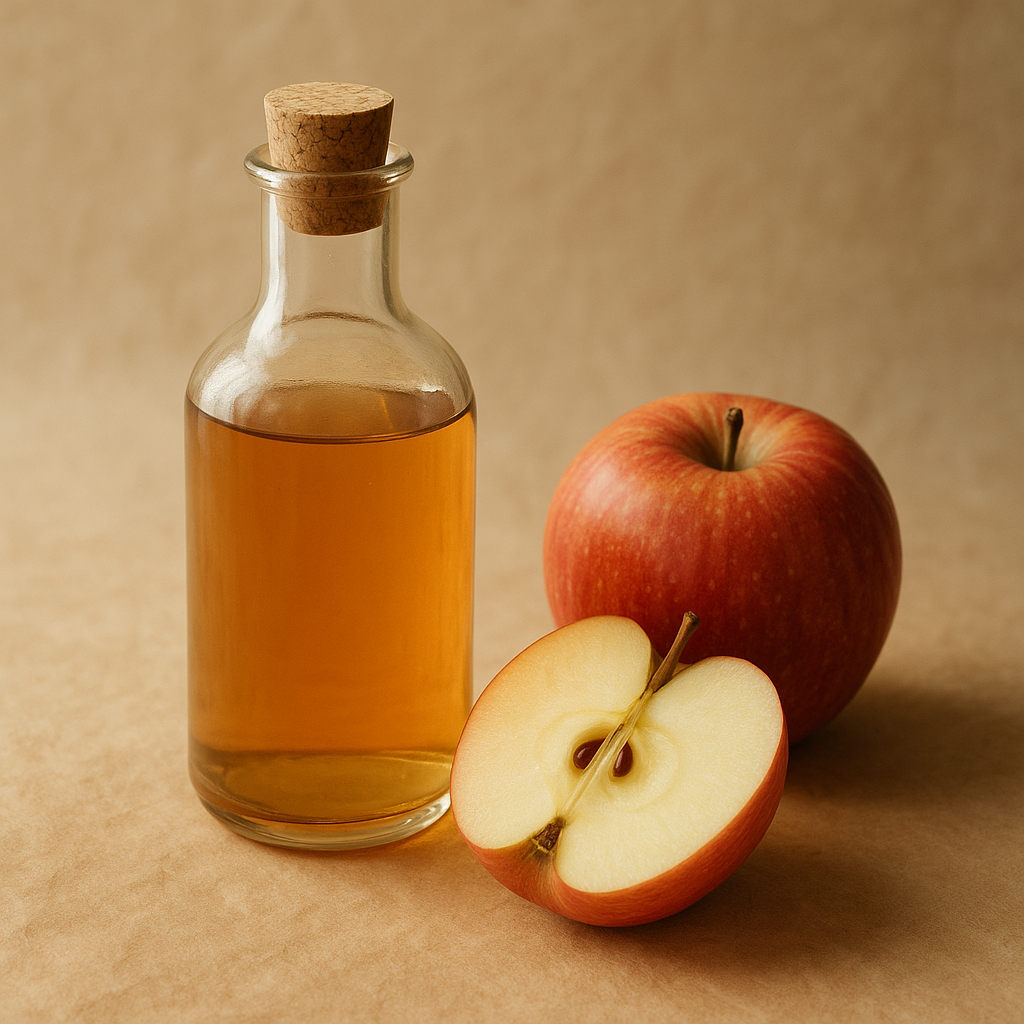
What it is
This is a type of vinegar made from fermented apple juice. The fermentation process converts the sugars in the apples into alcohol, and then into acetic acid. This gives the vinegar its characteristic tangy flavor and aroma. It is often unfiltered and unpasteurized, which means it may contain a cloudy sediment known as the 'mother.' This sediment is a natural byproduct of the fermentation and is considered by some to be beneficial.
How people cook with it
Apple cider vinegar is a versatile ingredient found in many kitchens. It is used in both sweet and savory applications.
- Salad dressings
- Marinades
- Pickling brines
- Sauces
Apple cider vinegar can be used in a variety of ways in cooking. It adds a bright, acidic note to salad dressings, balancing the richness of oils and other ingredients. In marinades, it helps to tenderize meats and add flavor. It is also a key component in many pickling brines, contributing to the preservation and taste of vegetables. Furthermore, it can be incorporated into sauces and glazes to provide a pleasant tanginess. Some people also use it in baking to react with baking soda, helping baked goods to rise.
How it differs from similar foods
Compared to white distilled vinegar, apple cider vinegar has a fruitier flavor profile and a less sharp acidity. Its color is also a distinct amber hue, whereas white vinegar is clear. This difference in flavor and color makes it suitable for different culinary purposes.
Who it is for
Home cooks and professional chefs alike use apple cider vinegar for its unique flavor contributions.
How to keep the rest
To maintain its quality, store apple cider vinegar in a cool, dark place, away from direct sunlight. Ensure the cap is tightly sealed after each use. Refrigeration is not strictly necessary but can help preserve its potency and prevent further fermentation over very long periods.