
Grocery · 32 oz
Salted Cod Fillets
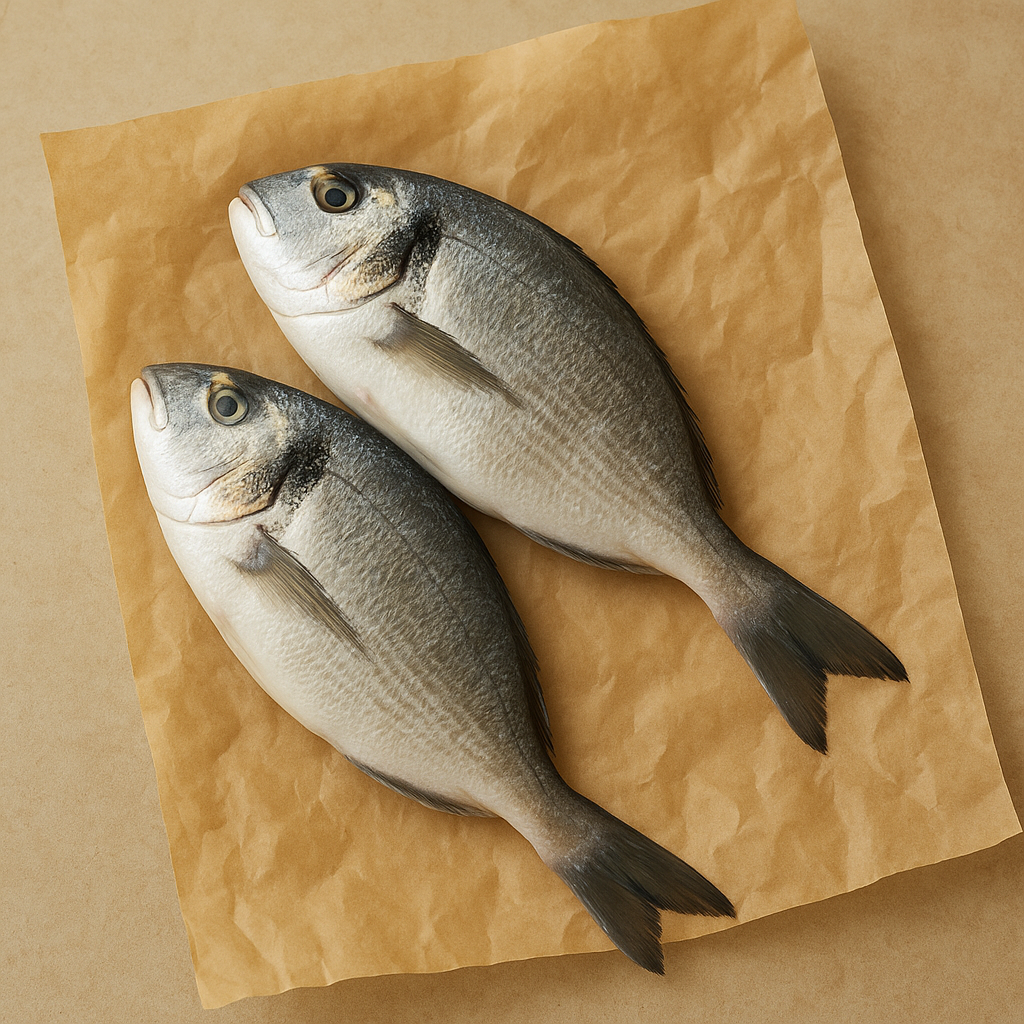
What it is
These are cod fillets that have been preserved through a process of salting. The salt draws out moisture, which helps to cure the fish and extend its shelf life. This method of preservation gives the cod a distinct flavor and texture that is different from fresh cod. The fillets are typically sold in vacuum-sealed packages.
How people cook with it
Salted cod is a versatile ingredient that requires a bit of preparation before cooking. It is a staple in many cuisines, particularly those with a history of seafaring and preservation techniques.
- Rehydrated and flaked for fritters
- Simmered in stews and soups
- Baked with vegetables
- Pan-fried until golden
Before cooking, salted cod needs to be desalted to remove excess salt and rehydrate the fish. This is typically done by soaking the fillets in cold water for at least 24 to 48 hours, changing the water several times. Once desalted, the cod can be cooked in various ways. It can be simmered in milk or water, then flaked for dishes like brandade or bacalhau à brás. It can also be baked, pan-fried, or added to hearty stews.
How it differs from similar foods
Unlike fresh cod, salted cod has a much firmer texture and a more intense, savory flavor due to the curing process. The salting also means it needs to be rehydrated and desalted before it can be used in recipes, a step not required for fresh fish.
Who it is for
Home cooks looking to explore traditional seafood dishes will find this ingredient useful.
How to keep the rest
Once opened, store any unused portion of the salted cod in an airtight container in the refrigerator. It is best to keep it submerged in fresh water and change the water daily to maintain its quality until you are ready to cook it.