
Food Club
Food Club Apple Cider Vinegar
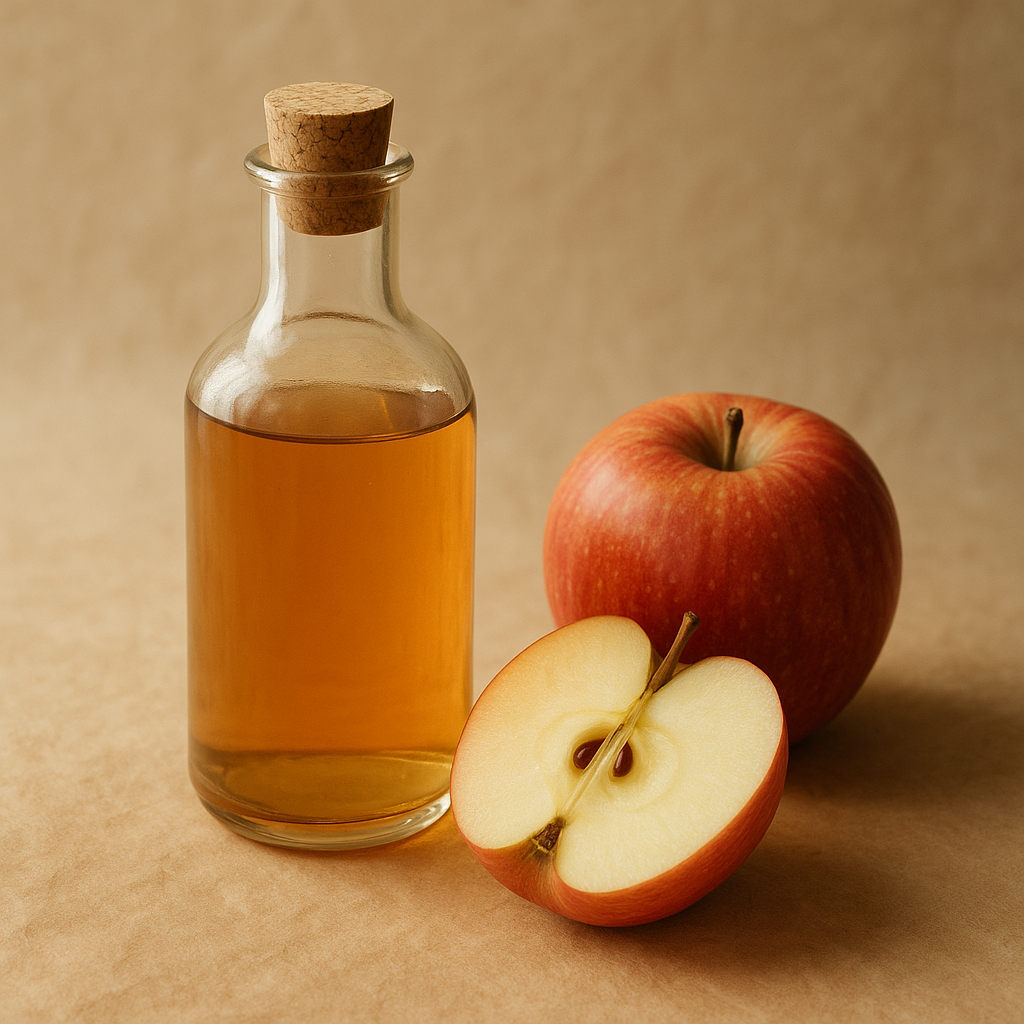
What it is
This is a fermented apple juice that has undergone a two-step process. First, yeast converts the sugars in apple juice into alcohol, creating hard cider. Then, a second fermentation introduces acetic acid bacteria, which convert the alcohol into acetic acid. This results in a tart, tangy liquid with a distinct fruity aroma. It is a versatile ingredient found in many kitchens.
How people cook with it
Apple cider vinegar is a common ingredient used in both cooking and non-culinary applications. Its sharp flavor profile makes it a useful addition to many dishes.
- Salad dressings
- Marinades
- Pickling brines
- Cleaning solutions
In the kitchen, apple cider vinegar is often used to add acidity and brightness to dishes. It can be a key component in homemade salad dressings, providing a tangy counterpoint to creamy or oily bases. It is also frequently incorporated into marinades for meats, helping to tenderize the proteins and infuse them with flavor. For preserving vegetables, it forms the base of pickling brines, contributing to both taste and preservation. Beyond cooking, its acidic nature makes it useful for household cleaning tasks.
How it differs from similar foods
Compared to white distilled vinegar, apple cider vinegar has a more complex flavor profile, with subtle fruity notes from the apples. White vinegar is generally more neutral and purely acidic. Red wine vinegar, another common variety, offers a distinct wine-like tang that differs from the apple essence of cider vinegar.
Who it is for
Home cooks and bakers often reach for apple cider vinegar to enhance the flavor of their creations.
How to keep the rest
To maintain its quality, store the unopened bottle in a cool, dark place. Once opened, it can be kept at room temperature. Some people prefer to refrigerate it, especially if they live in a warm climate, but it is not strictly necessary for preservation. Ensure the cap is tightly sealed after each use.