
Grocery
Farmhouse Fresh Eggs
What it is
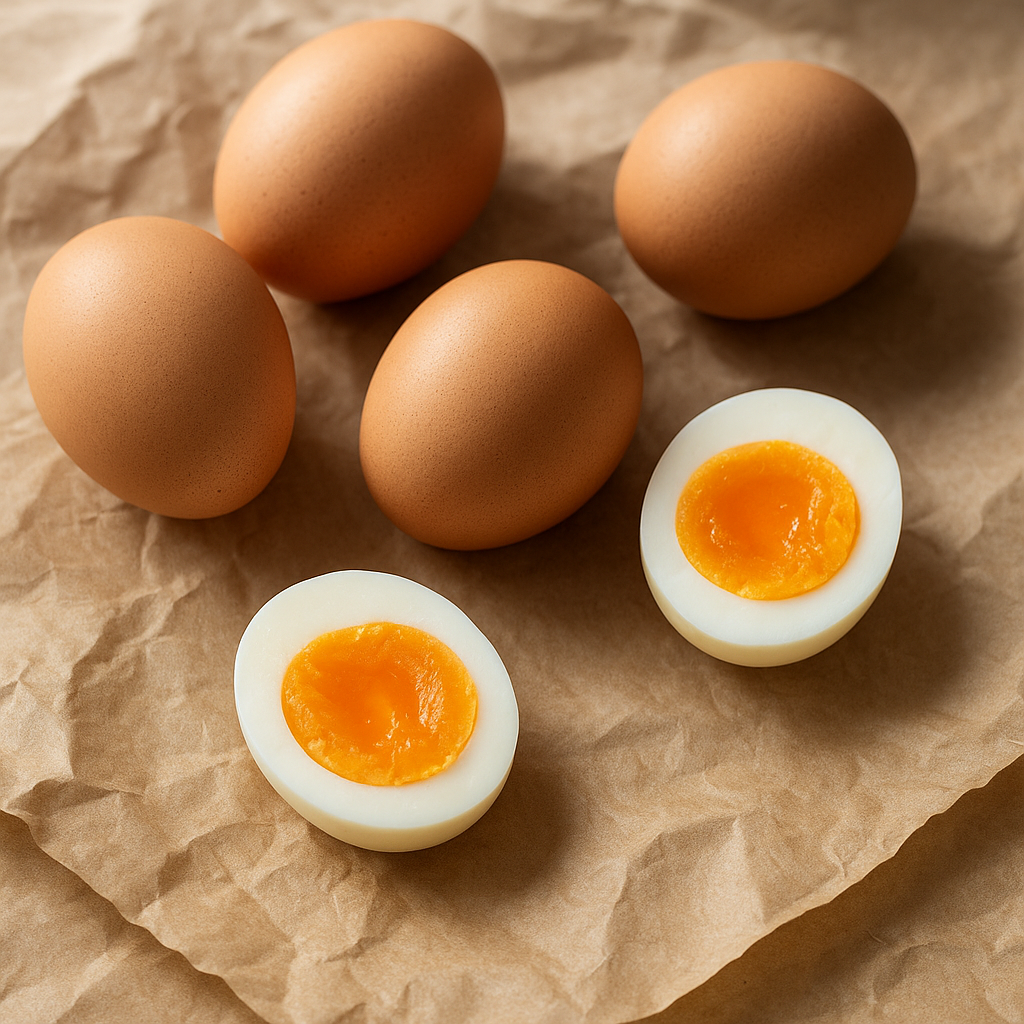
These are fresh eggs sourced from farm animals. They are typically sold in cartons and are a common staple in kitchens. The eggs are laid by hens and are a natural product. They come in various sizes, and the color of the shell can vary depending on the breed of hen. The inside of the egg consists of the yolk and the white, both of which are edible and used in cooking.
How people cook with it
Eggs are incredibly versatile and can be prepared in many ways. They are a fundamental ingredient in baking and a key component of many breakfast dishes.
- Scrambled for breakfast
- Fried for sandwiches
- Baked into cakes
- Used as a binder in meatballs
Eggs can be cooked on their own or incorporated into other dishes. For simple preparations, they can be fried, scrambled, or boiled. When baking, eggs often act as a leavening agent, helping to create a lighter texture, and they also contribute richness and moisture to batters and doughs. They can be whisked into sauces to thicken them or used to create emulsions like mayonnaise. Their ability to bind ingredients makes them useful in dishes like meatloaf or burgers.
How it differs from similar foods
The primary difference between various types of eggs often relates to the diet of the hens or the farming practices. Some eggs may come from hens fed specific diets, which can influence the color of the yolk. Other distinctions might be related to how the hens are raised, such as free-range or cage-free environments.
Who it is for
Home cooks and professional chefs rely on eggs for a wide range of culinary applications.
How to keep the rest
To keep the rest of the eggs fresh, store them in their original carton in the refrigerator. The carton protects them from absorbing odors and prevents them from cracking. It is best to keep them on a shelf rather than in the door, where temperatures can fluctuate more.