
Grocery
Skinless Haddock Fillets
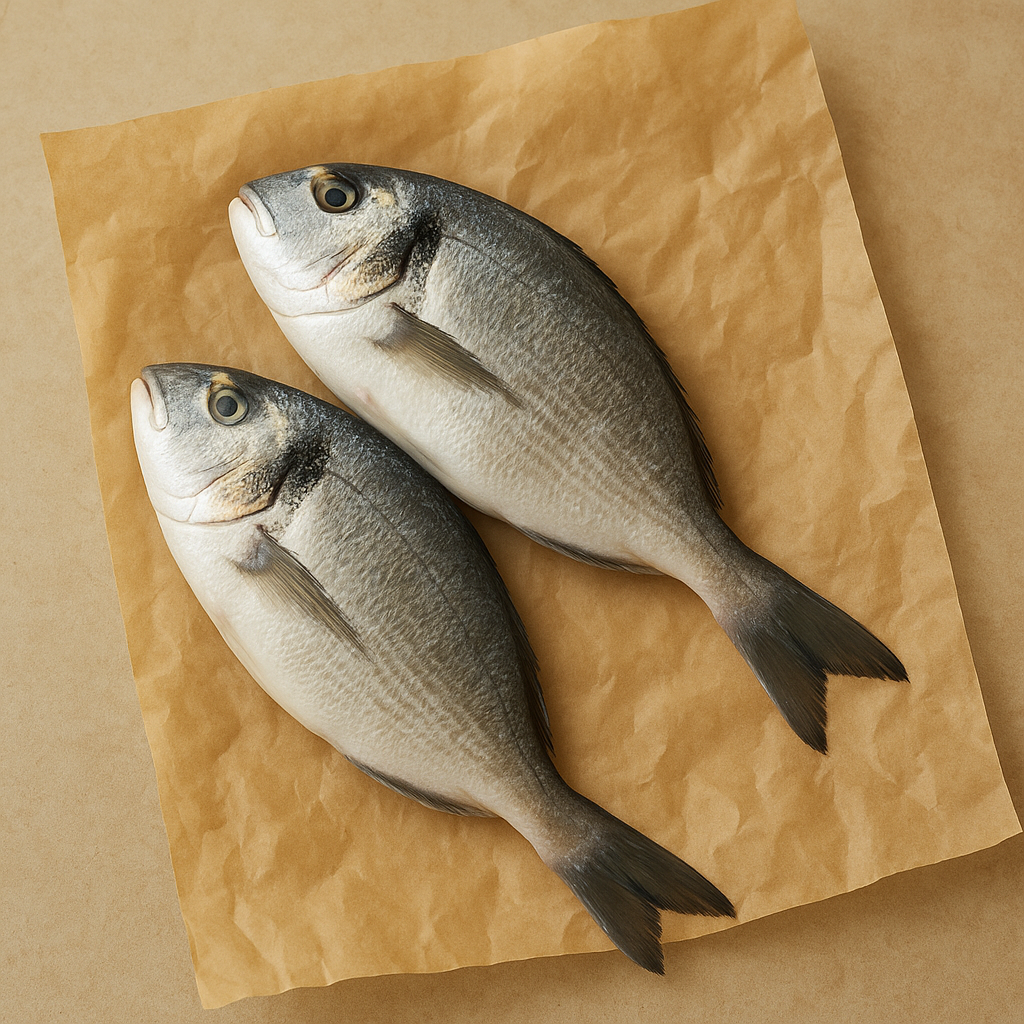
What it is
These are boneless, skinless portions of haddock, a white fish commonly found in the North Atlantic. The fillets are typically frozen to preserve freshness and can be a convenient option for home cooks. Haddock has a mild flavor and a flaky texture when cooked, making it a versatile choice for many dishes. The absence of skin and bones simplifies preparation and ensures a consistent eating experience.
How people cook with it
Skinless haddock fillets are a popular choice for quick and easy weeknight meals. They can be prepared in a variety of ways, fitting into many different culinary traditions.
- Baked with lemon and herbs
- Pan-fried until golden
- Added to fish stews
- Used in fish tacos
When ready to cook, these frozen fillets can often be prepared directly from frozen, though thawing them first can sometimes lead to better results depending on the cooking method. For baking, place the fillets on a baking sheet, season as desired, and bake until opaque and flaky. Pan-frying involves cooking them in a hot skillet with a little oil or butter until they are browned on both sides and cooked through. They are also excellent when simmered in sauces or broths for dishes like chowders or curries, absorbing the flavors of the surrounding liquid.
How it differs from similar foods
Compared to skin-on fillets, skinless haddock offers a cleaner presentation and is often preferred for lighter preparations where a crispy skin is not desired. The absence of skin also means less fat content and a more uniform texture throughout the fillet.
Who it is for
Home cooks looking for a convenient and mild white fish option will find these fillets useful.
How to keep the rest
To maintain the quality of any remaining frozen haddock fillets, ensure they are kept in their original packaging or transferred to an airtight container or freezer bag. Store them in the coldest part of your freezer. Proper storage will prevent freezer burn and preserve the texture and flavor for future use.