
Grocery
100% Natural Parmesan Cheese
What it is
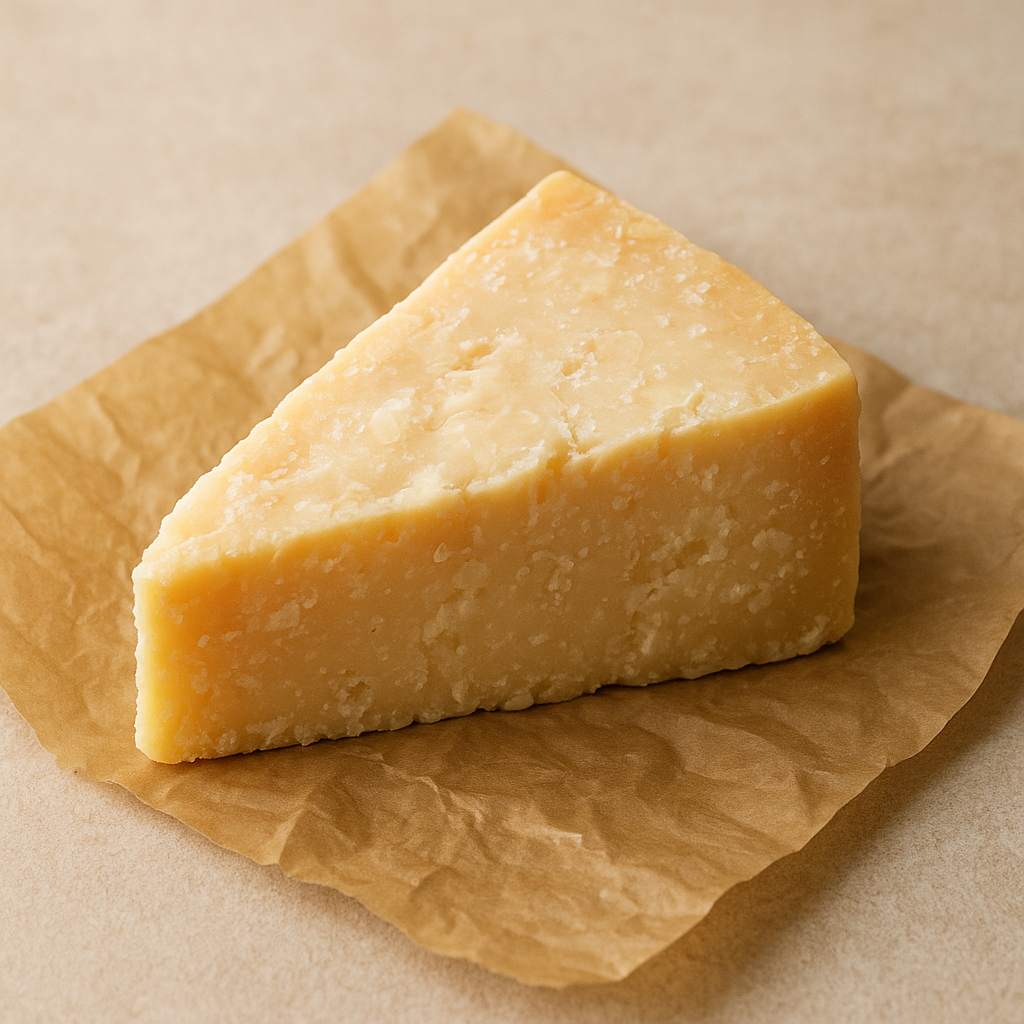
This is a hard, dry cheese made from cow's milk. It is aged for a significant period, which develops its characteristic sharp, nutty flavor and granular texture. The cheese is often sold in wedges or pre-grated. Its natural production process involves fermentation, contributing to its complex taste profile. It is a staple in many kitchens for its versatility and distinct taste.
How people cook with it
Parmesan cheese is a beloved ingredient that adds depth and richness to a wide array of dishes. Its strong flavor makes it a perfect finishing touch or a foundational element in cooking.
- Grated over pasta dishes
- Added to soups and stews
- Baked into casseroles
- Served with crusty bread
To best enjoy its flavor, grate fresh parmesan just before serving. It melts beautifully when heated, making it ideal for sauces, gratins, and baked goods. For a quick flavor boost, shave thin pieces over salads or roasted vegetables. It can also be enjoyed simply on its own, perhaps with a drizzle of olive oil. When incorporating into cooked dishes, add it towards the end of the cooking process to preserve its delicate aroma and taste.
How it differs from similar foods
Compared to softer cheeses, parmesan has a much lower moisture content due to its extended aging. This results in a firmer texture and a more concentrated, savory flavor. Its crystalline structure, formed during aging, gives it a slight crunch that is unique among cheeses.
Who it is for
Home cooks and professional chefs alike rely on parmesan for its distinctive flavor and culinary adaptability.
How to keep the rest
To maintain its freshness, wrap any remaining parmesan tightly in parchment paper or cheese paper, then place it in a plastic bag or airtight container. Store it in the refrigerator. It is best to use it within a few weeks for optimal flavor, though it can last longer if stored properly.