
Grocery · 4196kgcal
Olive Oil
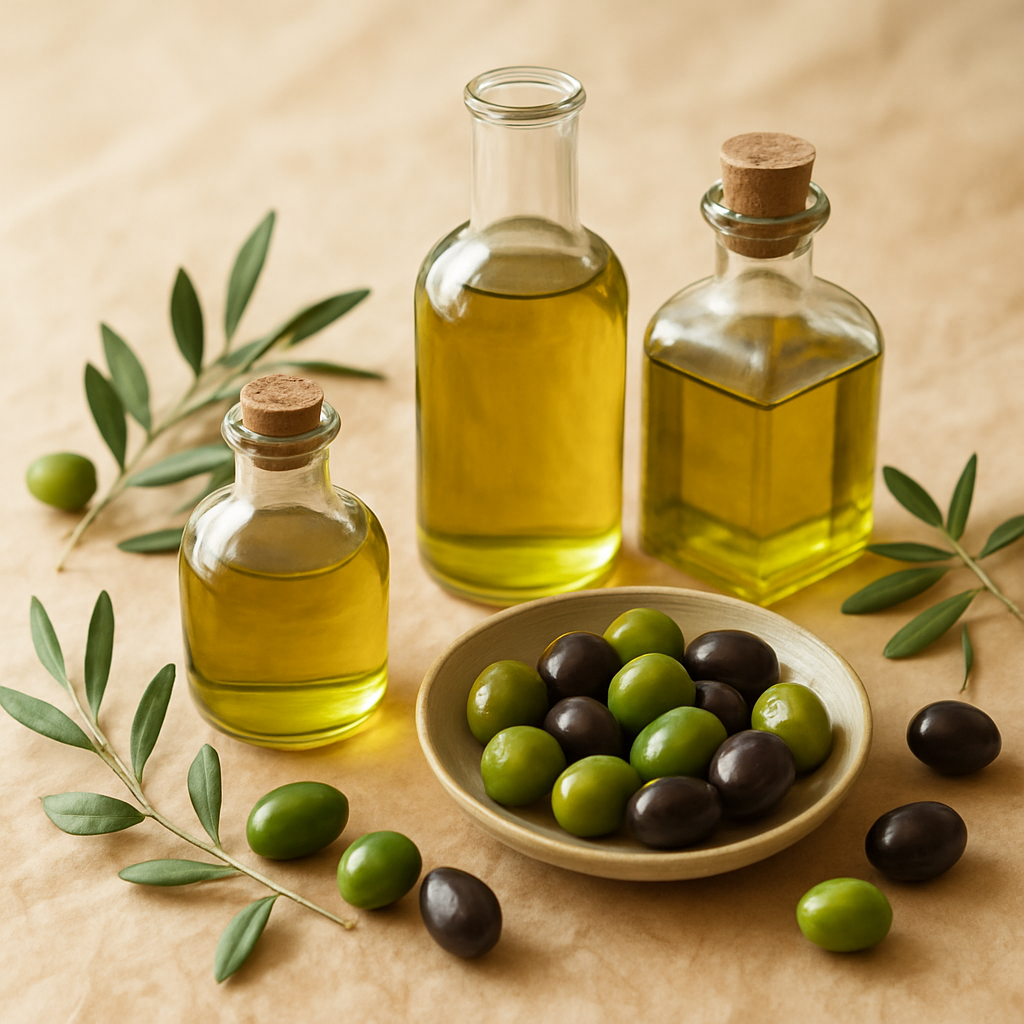
What it is
This is a liquid fat extracted from olives, the fruit of the olive tree. It is a staple in Mediterranean cuisine and is valued for its distinct flavor and versatility. The oil is produced by pressing whole olives. Different processing methods and olive varieties contribute to variations in its color, aroma, and taste.
How people cook with it
Olive oil is a fundamental ingredient for cooking and finishing dishes. It can be used in a wide range of culinary applications.
- For sautéing vegetables
- As a dressing for salads
- For baking bread
- For drizzling over finished meals
Olive oil can be heated for cooking methods like sautéing, pan-frying, and roasting. Its smoke point varies depending on the type of olive oil, with refined versions generally tolerating higher temperatures. It is also excellent when used raw, such as in salad dressings, marinades, or simply drizzled over grilled meats, fish, or vegetables to add richness and flavor. For baking, it can sometimes replace butter or other fats, imparting a subtle fruity note.
How it differs from similar foods
Compared to other vegetable oils, olive oil often has a more pronounced flavor profile, ranging from mild and fruity to peppery and robust. Extra virgin olive oil, the least processed form, retains more of the olive's natural characteristics and is typically used for finishing or low-heat cooking, while refined olive oils are more neutral and suitable for higher heat applications.
Who it is for
Home cooks and professional chefs use olive oil regularly in their kitchens.
How to keep the rest
To maintain its quality, store olive oil in a cool, dark place, away from direct sunlight and heat. Keep the bottle tightly sealed to prevent oxidation. It is best used within a reasonable timeframe after opening to enjoy its freshest flavor.