
Grocery
Baking Powder
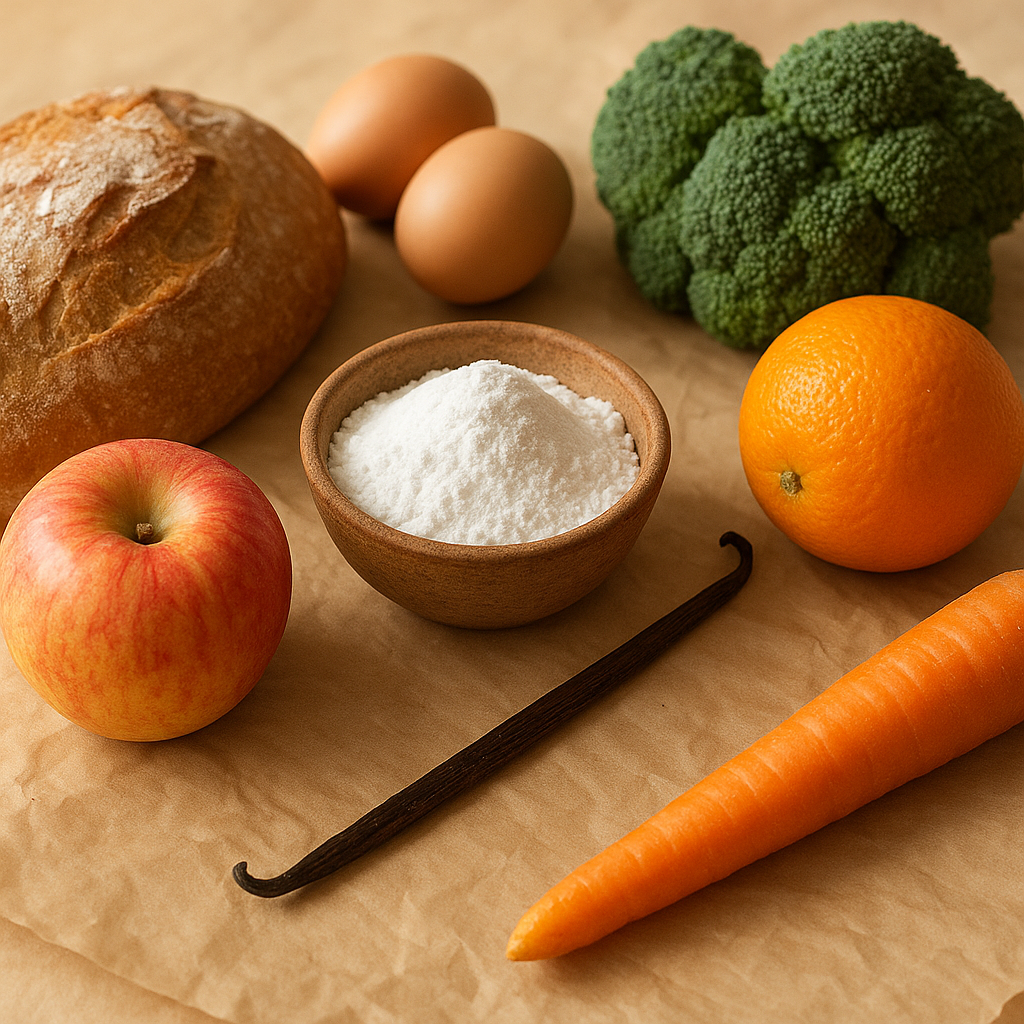
What it is
Baking powder is a leavening agent used in baking. It is a dry chemical mixture that produces carbon dioxide gas when exposed to moisture and heat. This gas causes doughs and batters to rise, creating a lighter and fluffier texture in baked goods. It typically contains an acid salt, a base, and a starch or flour to absorb moisture and prevent premature reaction.
How people cook with it
It is a common ingredient in many baked goods and is essential for achieving the desired rise and texture.
- Cakes and cupcakes
- Muffins and scones
- Pancakes and waffles
- Quick breads
Baking powder is usually added to dry ingredients like flour, sugar, and salt before wet ingredients are incorporated. The moisture from the wet ingredients activates the leavening process. For best results, ensure it is fresh; an expired product will not provide adequate lift. It is typically measured precisely according to recipe instructions, as too much can lead to a metallic taste, and too little will result in dense baked goods.
How it differs from similar foods
Unlike baking soda, which requires an acidic ingredient to activate, baking powder is a complete leavening system. It contains both the acid and the base needed for the reaction. This makes it more versatile for recipes that do not contain naturally acidic components.
Who it is for
Home bakers and professional chefs rely on it for consistent results.
How to keep the rest
Store baking powder in its original airtight container in a cool, dry place away from heat and moisture. This will help maintain its leavening power. Avoid storing it near the stove or in humid areas of the kitchen.