
Berkeley Bowl
Berkeley Bowl Cage Free Grade AA Eggs
What it is
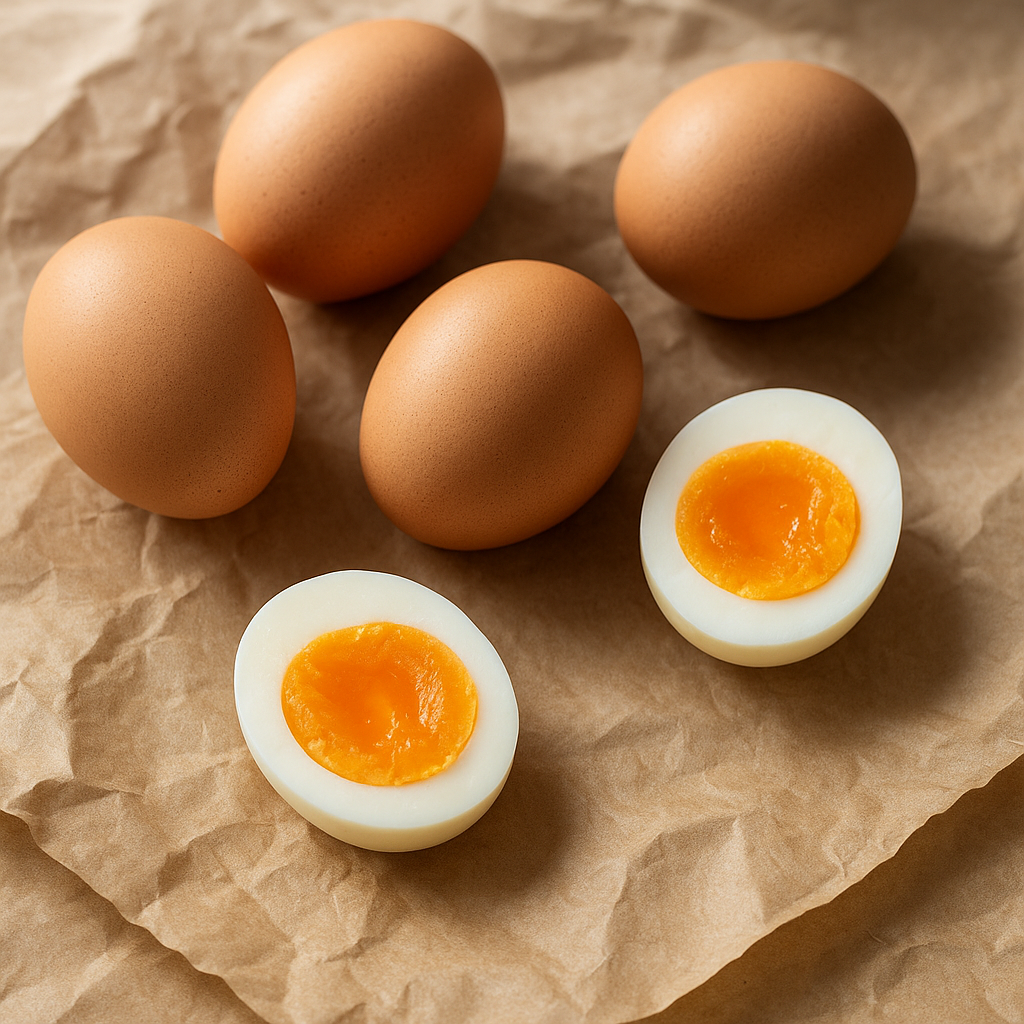
These are Grade AA eggs, meaning they have exceptionally clean, firm whites and round, well-centered yolks. The "cage-free" designation indicates that the hens are not confined to traditional battery cages and have the ability to roam within their barn environment. This often results in eggs with a slightly richer flavor and deeper colored yolks due to the hens' varied diet and activity levels compared to conventionally raised hens.
How people cook with it
Eggs are a versatile staple in kitchens worldwide, used in countless sweet and savory preparations.
- Scrambled for breakfast
- Baked into cakes
- Fried as a side dish
- Whipped into meringues
Eggs can be cooked in many ways. They can be gently whisked with a touch of milk or cream and cooked over low heat to create soft, fluffy scrambled eggs. For frying, a medium-high heat with a bit of butter or oil is ideal, allowing the whites to set while the yolk remains runny. They are also essential for binding ingredients in baked goods like cookies and muffins, or for creating airy textures when whipped into foams for desserts such as soufflés and mousses. Their emulsifying properties make them key in sauces like hollandaise.
How it differs from similar foods
Cage-free eggs differ from conventional eggs primarily in the living conditions of the hens. While both are graded for quality (AA, A, B), cage-free hens have more freedom of movement. This can sometimes lead to a slightly richer flavor profile and more vibrant yolk color in cage-free eggs, though this can also be influenced by diet.
Who it is for
Home cooks and professional chefs rely on eggs for their diverse culinary applications.
How to keep the rest
To maintain freshness, store these eggs in their original carton in the coldest part of your refrigerator, typically the main body rather than the door. Keeping them in the carton protects them from absorbing odors and prevents damage. Use them within the recommended timeframe for optimal quality.