
Grocery
Fresh Large Eggs
What it is
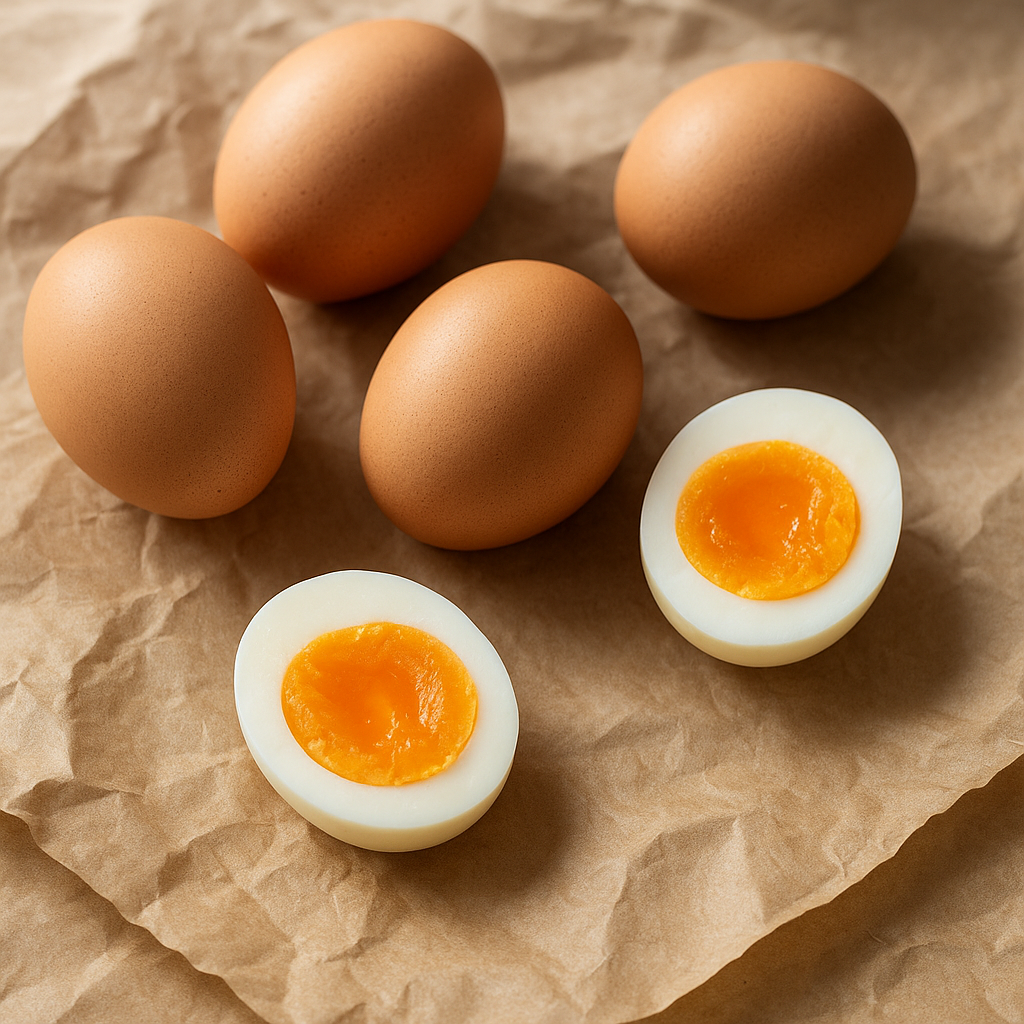
These are fresh, large chicken eggs, a staple in kitchens worldwide. Each egg consists of a protective shell, albumen (egg white), and yolk. The color of the shell can vary depending on the breed of the hen, but it does not affect the egg's quality or taste. These eggs are carefully selected for their size and freshness, making them suitable for a wide range of culinary applications.
How people cook with it
Eggs are a fundamental ingredient in countless dishes, both sweet and savory. They can be the star of a meal or a crucial binder and leavening agent.
- Breakfast scrambles
- Baking cakes
- Sauce emulsification
- Custard preparation
Eggs can be prepared in numerous ways. They can be fried, scrambled, poached, or boiled. For baking, they contribute structure, moisture, and richness to batters and doughs. When whisked, the proteins in egg whites can trap air, creating volume for meringues and soufflés. The yolk, rich in fat, adds flavor and helps emulsify sauces like hollandaise and mayonnaise. Their ability to coagulate when heated makes them ideal for binding ingredients in dishes like meatloaf or quiches.
How it differs from similar foods
Compared to duck eggs, chicken eggs are generally smaller and have a milder flavor. Their yolks are also typically less rich. This makes them a more neutral base for delicate pastries and everyday cooking where a strong egg flavor is not desired.
Who it is for
Home cooks and professional chefs rely on eggs for their adaptability in everyday meals and special occasion dishes.
How to keep the rest
To maintain freshness, store uncooked eggs in their original carton in the refrigerator. Keep them on an interior shelf, not in the door, where temperatures fluctuate. This helps prevent them from absorbing odors and keeps them at a consistent, cool temperature.