
Signature Kitchen · 1
Signature Kitchen Apple Cider Vinegar
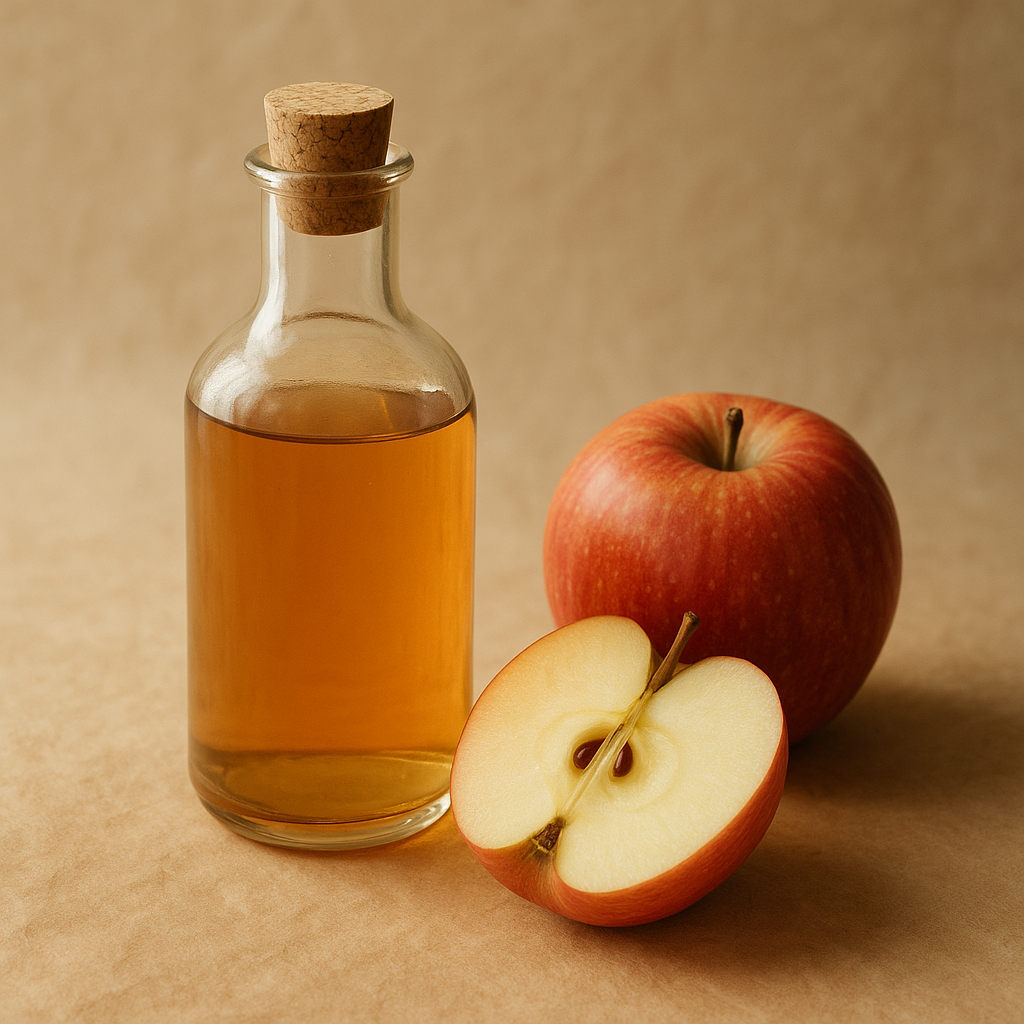
What it is
This is a fermented liquid made from crushed apples. It undergoes a two-step fermentation process. First, yeast converts the sugars in the apple juice into alcohol. Then, bacteria convert the alcohol into acetic acid. Acetic acid is the main active compound in vinegar, giving it a sour taste and pungent aroma. It is often unfiltered and unpasteurized, which means it may contain a cloudy substance called the 'mother.' This mother is a collection of beneficial bacteria and enzymes.
How people cook with it
Apple cider vinegar is a versatile ingredient found in many kitchens. It can be used in both sweet and savory applications, adding a distinct flavor profile.
- Salad dressings
- Marinades
- Pickling brines
- Beverage additions
It can be diluted with water and consumed as a drink, often mixed with honey or other flavorings. In cooking, it is a key component in many vinaigrettes, providing a bright tang. It also tenderizes meats when used in marinades and adds depth to sauces and stews. For preserving foods, it is used in pickling solutions to create a sour and acidic environment. Its sharp flavor can also cut through richness in dishes.
How it differs from similar foods
Compared to white distilled vinegar, apple cider vinegar has a fruitier aroma and a milder, more complex flavor. It is less harsh and offers a subtle sweetness. Other vinegars, like balsamic or red wine vinegar, have different flavor profiles derived from their base ingredients and aging processes.
Who it is for
Home cooks and beverage enthusiasts often keep apple cider vinegar on hand for its culinary and potential beverage uses.
How to keep the rest
To maintain its quality, store the unopened bottle in a cool, dark place. Once opened, it can be stored at room temperature. Refrigeration is not typically necessary, but it can help preserve its potency and prevent further fermentation if the 'mother' is present.