
Grocery
Frozen Atlantic Salmon Fillets
What it is
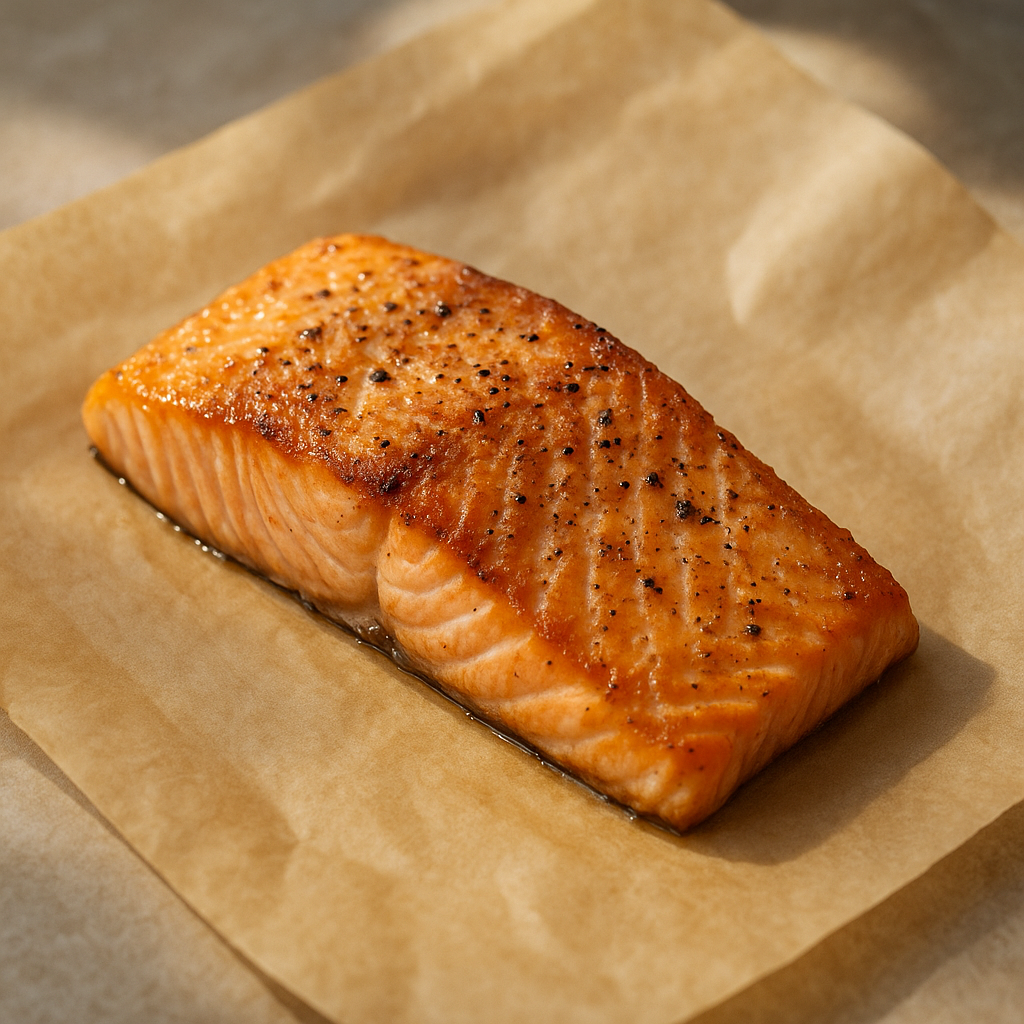
These are individual portions of Atlantic salmon, flash-frozen to preserve their freshness. The fillets are typically skin-on and boneless, making them convenient for a variety of preparations. Atlantic salmon is known for its rich flavor and flaky texture, which holds up well to different cooking methods. The freezing process ensures that the quality and taste are maintained until you are ready to use them.
How people cook with it
Frozen salmon fillets are a versatile ingredient that can elevate weeknight meals or be the star of a special occasion. They are ideal for quick cooking and can be adapted to many flavor profiles.
- Pan-seared for a crispy skin
- Baked with herbs and lemon
- Grilled for a smoky flavor
- Poached gently in broth
To prepare frozen salmon, it is best to thaw it slowly in the refrigerator overnight. For a quicker thaw, you can place the sealed package in a bowl of cold water. Once thawed, pat the fillets dry with paper towels. This step is crucial for achieving a good sear or crisp skin. You can then season them with salt, pepper, and your favorite herbs or spices before cooking. Whether you choose to bake, pan-fry, or grill, aim for an internal temperature of 145°F (63°C) for perfectly cooked salmon.
How it differs from similar foods
Compared to fresh salmon, frozen fillets offer extended shelf life and convenience. The freezing process locks in moisture and flavor, and when thawed properly, the texture can be very similar to fresh. Some find that flash-frozen fish can sometimes be even more consistent in quality due to the immediate preservation after being caught.
How to keep the rest
Keep any unused thawed salmon fillets in an airtight container in the refrigerator. They should be cooked within one to two days of thawing. Unopened frozen packages should be stored in the freezer at 0°F (-18°C) or below until ready for use.