
Grocery
Frozen Atlantic Salmon Fillets
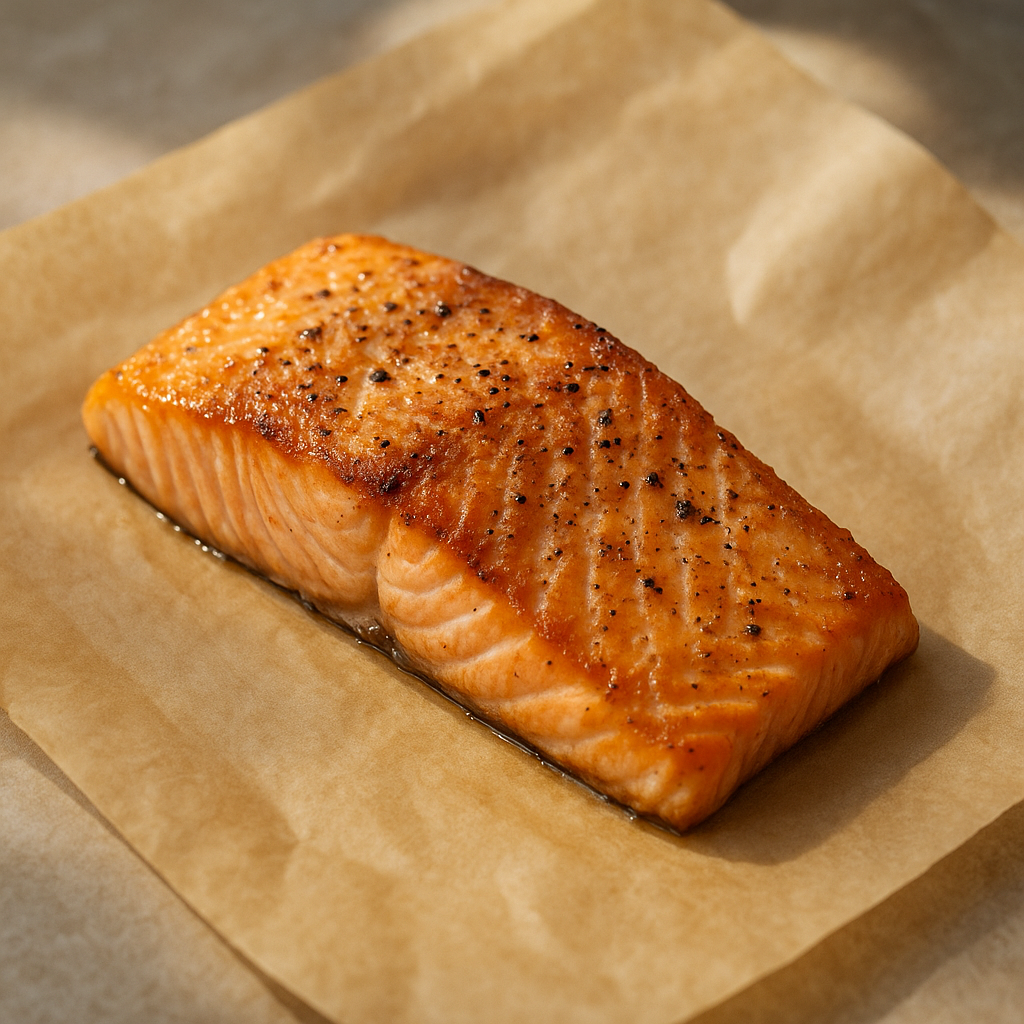
What it is
These are pre-portioned fillets of Atlantic salmon, flash-frozen to preserve their freshness and texture. They are typically skin-on, offering a richer flavor and a crispier texture when cooked properly. The freezing process ensures that the fish remains in excellent condition until you are ready to prepare it. This makes it a convenient option for home cooks who want high-quality seafood without the need for immediate consumption.
How people cook with it
Frozen salmon fillets are versatile and can be prepared in many ways. They are excellent for weeknight meals when time is limited.
- Baked with herbs
- Pan-seared for a crispy skin
- Grilled for smoky flavor
- Poached gently
To prepare frozen salmon, it is best to thaw it slowly in the refrigerator overnight. For quicker thawing, place the sealed package in a bowl of cold water. Once thawed, pat the fillets dry with paper towels before cooking. This step is crucial for achieving a good sear or crispy skin. You can then bake, pan-fry, grill, or poach the salmon. Season simply with salt, pepper, and your favorite herbs or spices. Avoid overcooking to maintain a moist and flaky texture.
How it differs from similar foods
Unlike fresh salmon, frozen fillets offer extended shelf life and convenience. The freezing process can sometimes slightly alter the texture compared to exceptionally fresh, never-frozen fish, but modern freezing techniques minimize this difference. They are ideal for stocking your freezer for spontaneous meals.
Who it is for
Home cooks looking for a convenient and high-quality source of fish for regular meals.
How to keep the rest
Keep frozen salmon fillets in your freezer at 0°F (-18°C) or below. Once thawed, they should be cooked within one to two days and should not be refrozen. Store them in their original packaging or an airtight container to prevent freezer burn.