
Grocery
Blue Cheese Crumbles
What it is
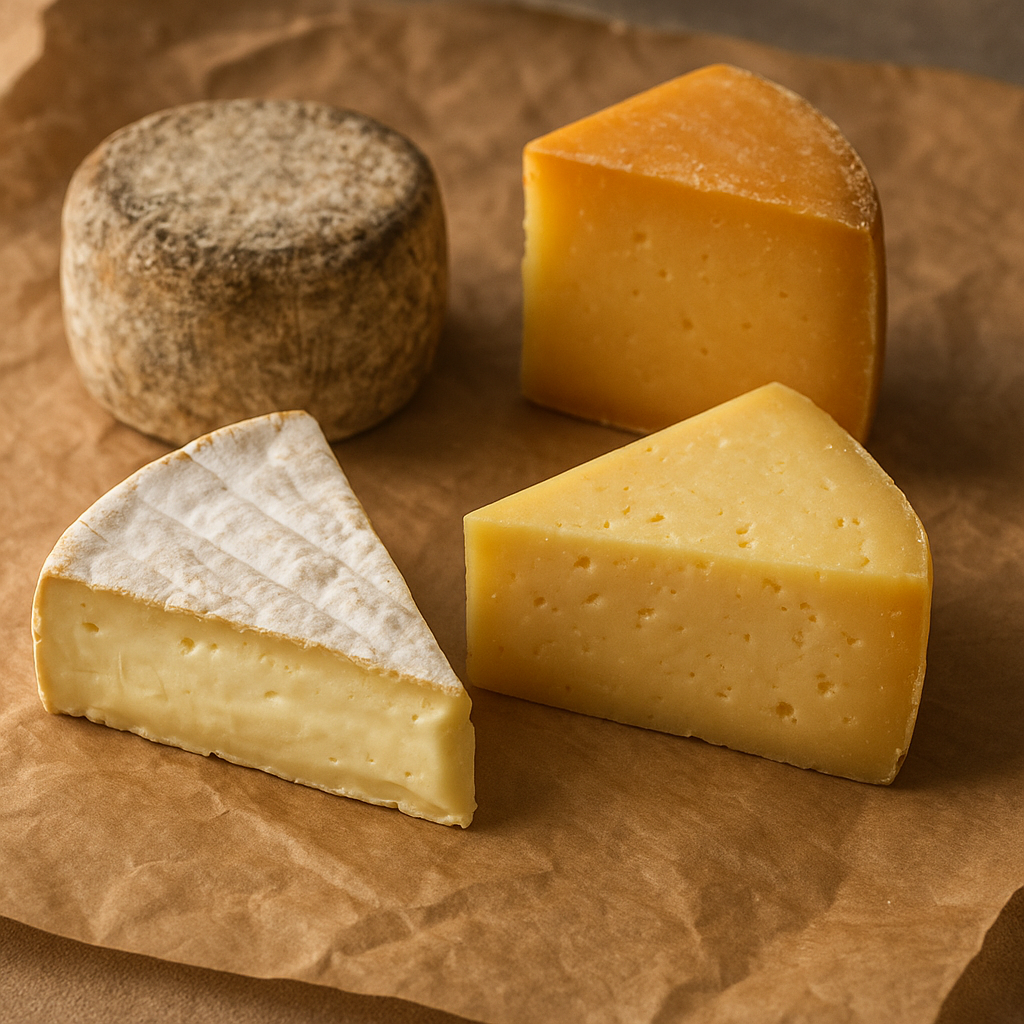
This is a type of cheese characterized by its distinctive blue or green veins, which are caused by the mold Penicillium roqueforti. It has a strong, pungent aroma and a sharp, tangy flavor that can range from mild to intensely savory. The texture can vary from crumbly to creamy, depending on the specific variety and aging process. It is often sold in wedges or pre-crumbled for convenience.
How people cook with it
Blue cheese adds a bold flavor to many dishes. It can be used as a topping or incorporated into sauces and dressings.
- Salad topping
- Burger enhancement
- Sauce base
- Dip ingredient
Blue cheese is incredibly versatile in the kitchen. It melts well, making it a fantastic addition to sauces for pasta or steak. Its sharp flavor cuts through the richness of fatty meats, so crumbling it over a grilled burger or a roasted chicken breast is a popular choice. It also pairs wonderfully with fruits like pears and figs, and nuts such as walnuts, often found in salads or cheese boards. For a quick appetizer, spread it on crackers or crostini.
How it differs from similar foods
Unlike milder cheeses, blue cheese offers a pronounced tang and a complex, savory depth. Its characteristic veining and aroma set it apart from cheeses like cheddar or mozzarella, providing a more assertive flavor profile that can elevate simple dishes.
Who it is for
Home cooks looking to add a sophisticated and robust flavor to their meals will appreciate this cheese.
How to keep the rest
To maintain its freshness, wrap any remaining blue cheese tightly in plastic wrap or foil. Store it in the coldest part of your refrigerator, typically the bottom shelf. It is best consumed within a few weeks of opening to enjoy its full flavor.